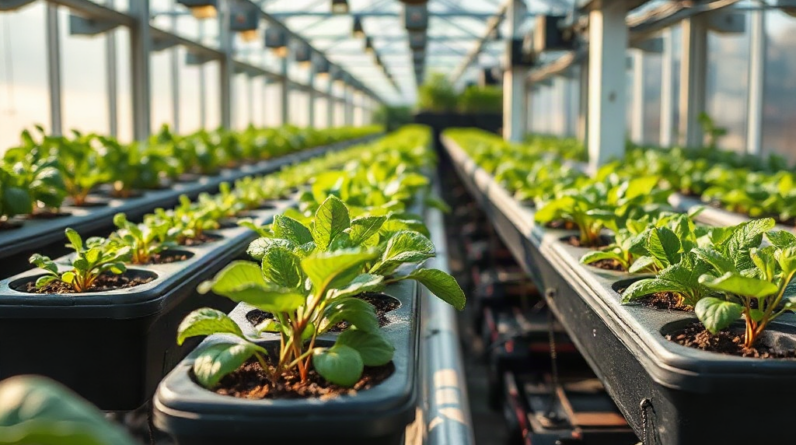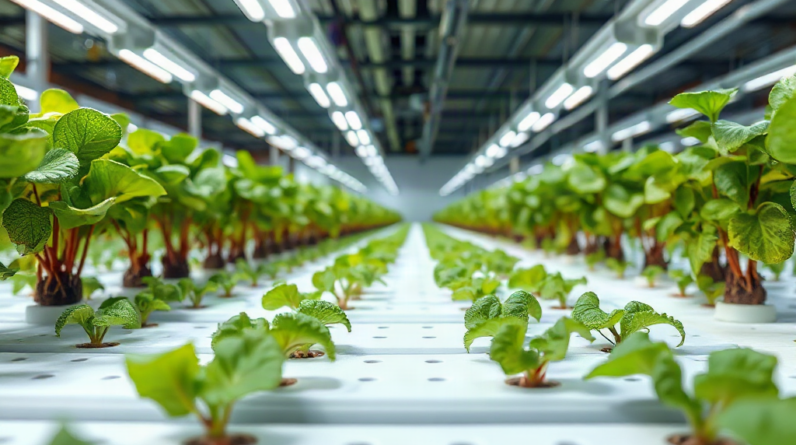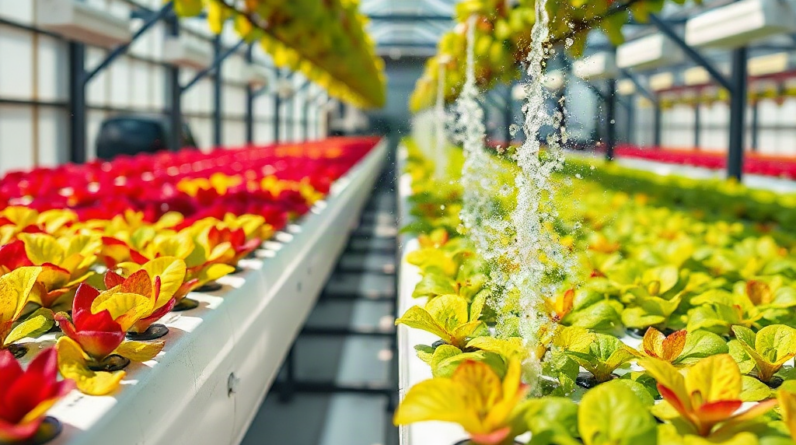
Using outdated hydroponic equipment can severely impact crop yields and overall plant health. These older systems often lack the advanced features necessary for precise nutrient delivery and environmental control, leading to nutrient imbalances that stunt growth and reduce quality. Additionally, they may incur higher operational costs due to frequent repairs and inefficiencies. To mitigate these risks, growers should consider investing in modern systems that offer automated controls and improved nutrient management, ensuring optimal conditions for plant development and maximizing productivity.
Understanding Outdated Hydroponic Systems
Outdated hydroponic systems typically refer to equipment that has not been upgraded or replaced in many years. These systems often lack modern features that enhance efficiency and productivity. For instance, older nutrient delivery systems may not provide the precise nutrient ratios that plants need, leading to nutrient deficiencies or excesses. Such deficiencies can affect plant growth and overall health, ultimately impacting yields.
Moreover, the technology behind environmental controls, such as lighting and temperature regulation, has advanced significantly. Modern systems offer automated controls that adjust conditions based on real-time data, which can optimize plant growth. In contrast, older systems may rely on manual adjustments, resulting in less optimal growing conditions.
Impact on Crop Yields and Quality
The consequences of using outdated hydroponic equipment directly affect crop yields and quality. Research shows that modern hydroponic systems can increase productivity by providing optimal conditions for plant growth. In contrast, older systems may not support the same level of growth due to inefficiencies in water and nutrient delivery.
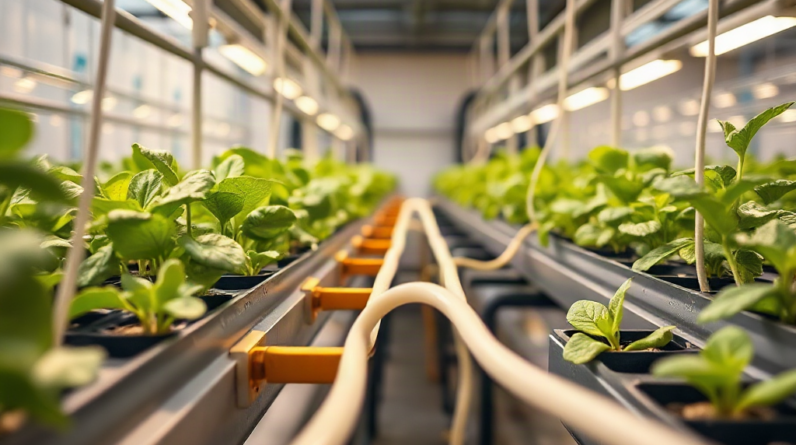
For example, an outdated nutrient film technique (NFT) system may not deliver nutrients effectively, leading to uneven nutrient distribution among plants. This can result in stunted growth or lower quality produce. Furthermore, outdated systems might not be able to support a diverse range of crops, limiting the grower’s ability to adapt to market demands.
Increased Operational Costs
Operational costs are another major consequence of using outdated hydroponic equipment. While the initial investment in new equipment can be significant, older systems often require more frequent repairs and maintenance, leading to higher long-term costs. Components such as pumps, lights, and timers may become less efficient over time, increasing energy consumption and operational costs.
Additionally, the inefficiency of outdated systems can lead to increased water and nutrient waste. For example, older irrigation systems might leak or fail to deliver water efficiently, resulting in overwatering or underwatering plants. This not only affects crop health but also increases water bills and nutrient costs. Growers may find that investing in modern equipment pays off in the long run by reducing these operational costs.
Risks to Plant Health and Disease Management
Using outdated hydroponic systems poses significant risks to plant health and disease management. Older systems may not provide adequate air circulation or humidity control, creating an environment conducive to fungal infections and pests. For instance, stagnant water in outdated systems can lead to root rot, which can devastate crops.
Moreover, the lack of modern disease management tools can hinder a grower’s ability to respond effectively to outbreaks. New equipment often includes integrated systems for monitoring plant health and detecting diseases early. Without these advancements, growers are at a disadvantage, potentially leading to crop losses that could have been mitigated with better technology.
Frequently Asked Questions
What are the signs of outdated hydroponic equipment?
Signs include frequent breakdowns, inconsistent crop yields, and increased energy costs.
How can outdated equipment affect plant health?
It can lead to poor nutrient delivery, inadequate environmental control, and increased disease risk.
Is it worth upgrading to new hydroponic systems?
Yes, the long-term benefits often outweigh the initial costs, leading to improved efficiency and yields.
What types of crops are best suited for modern hydroponic systems?
Leafy greens, herbs, and certain fruits tend to thrive in modern hydroponic systems.
How often should hydroponic equipment be updated?
It’s advisable to assess equipment every 5-10 years for efficiency and technological advancements.
Conclusion
Using outdated hydroponic equipment can have serious consequences, including diminished crop yields, increased operational costs, and heightened risks to plant health. Upgrading to modern systems not only enhances efficiency but also supports better disease management and nutrient delivery. Growers should prioritize evaluating their equipment regularly and consider investing in new technologies to ensure optimal production and sustainability in their hydroponic operations.