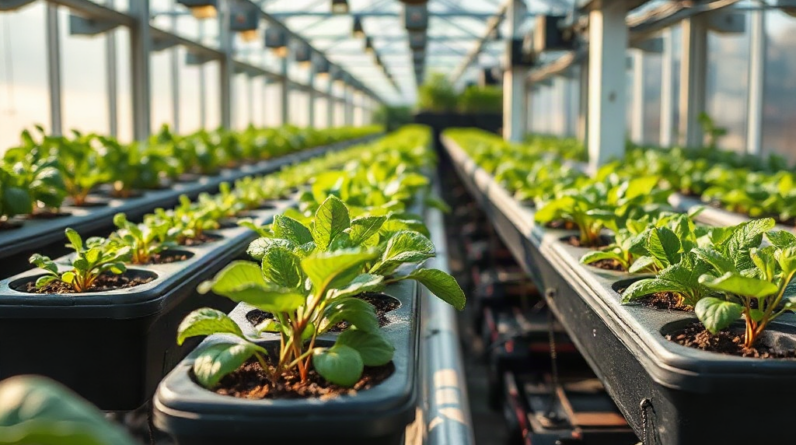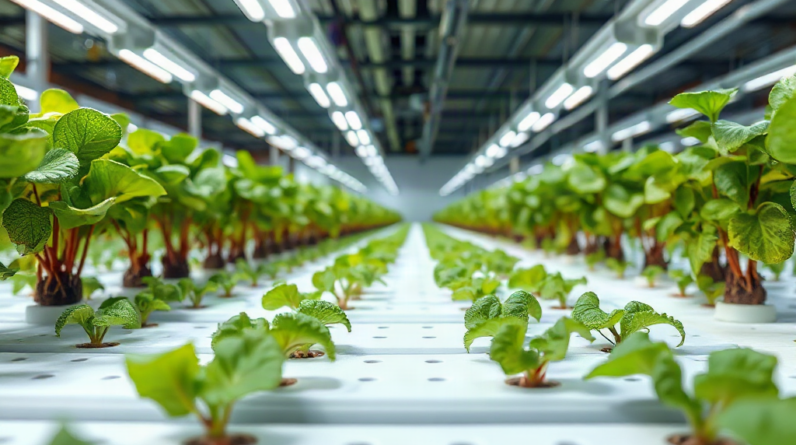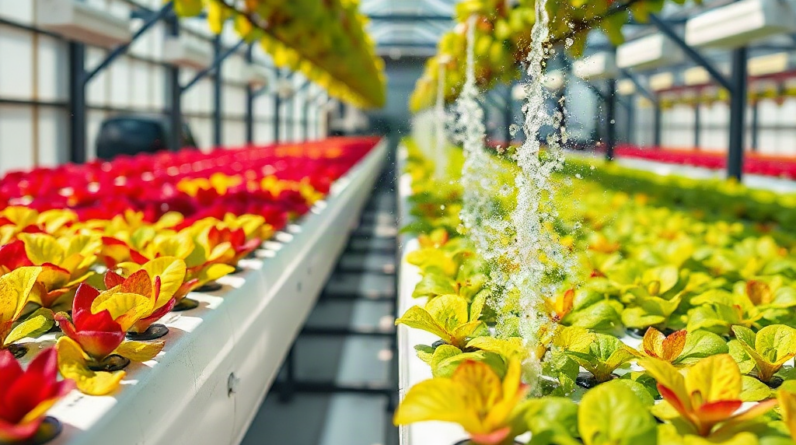
Choosing the right hydroponic system as a beginner requires careful consideration of various options like Deep Water Culture (DWC) and Nutrient Film Technique (NFT). DWC is often recommended for its simplicity and effectiveness, making it ideal for those new to hydroponics. It's essential to assess your available space and budget, as these factors can significantly influence your choice. A common pitfall for beginners is neglecting the importance of nutrient management and light requirements, which are vital for successful plant growth. By prioritizing systems that are user-friendly and understanding the specific needs of the plants you wish to grow, you can set yourself up for a rewarding hydroponic gardening experience.
Understanding Hydroponic Systems
Hydroponic systems are methods of growing plants without soil, using nutrient-rich water instead. This method allows for faster growth rates and can lead to higher yields compared to traditional soil gardening. Understanding the basics of hydroponics is crucial for beginners, as it sets the foundation for all future decisions. Key terms include nutrient solution, pH levels, and light requirements, all of which play significant roles in plant health and growth.
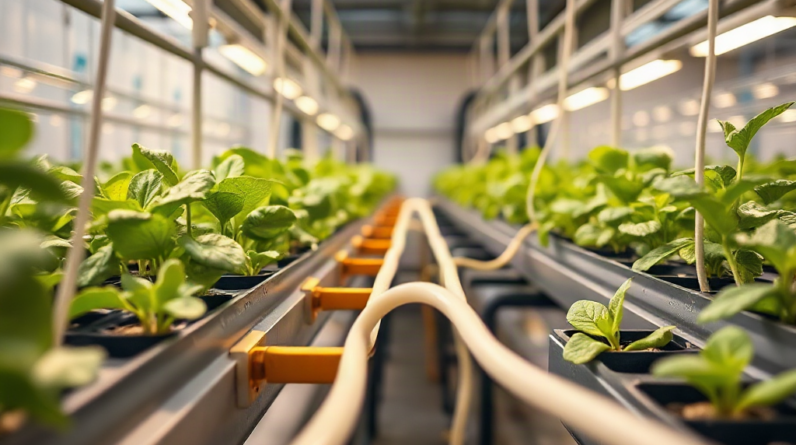
In hydroponics, plants receive nutrients directly from the water, which can be more efficient than soil-based methods. This system can be adapted to various environments, making it a flexible option for urban gardening, indoor setups, or even greenhouses. Newcomers should familiarize themselves with the different types of hydroponic systems to determine which aligns best with their gardening goals.
Evaluating System Types
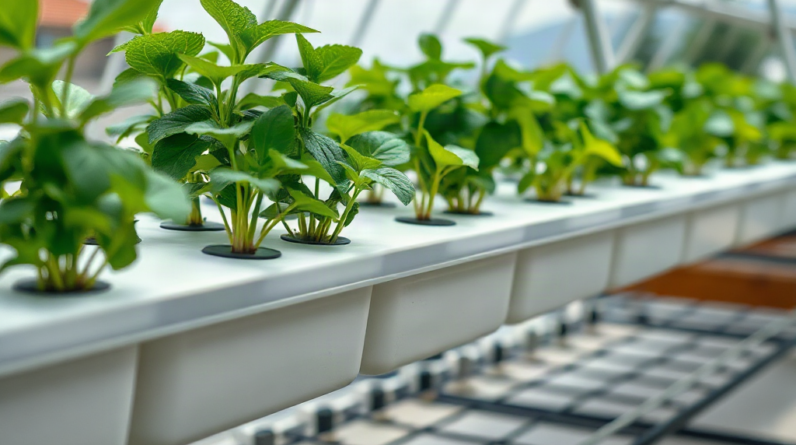
When deciding on a hydroponic system, beginners should consider several popular types, including Deep Water Culture (DWC), Nutrient Film Technique (NFT), and Ebb and Flow systems. Each of these systems has its own advantages and challenges. For instance, DWC is known for its simplicity and effectiveness in growing a wide variety of plants, making it a great choice for beginners.
NFT, on the other hand, requires a bit more technical knowledge, as it involves a continuous flow of nutrient solution over the roots. Beginners might find Ebb and Flow systems more complex due to the need for timers and pumps, but they can also produce substantial yields once mastered. Evaluating these systems based on personal preferences, available space, and budget will help narrow down the options.
Key Considerations for Beginners
Several key factors should influence the decision-making process for beginners in hydroponics. Firstly, the available space can dictate the type of system one can implement. Vertical systems may be more suitable for limited space, while larger areas can accommodate more complex setups. Additionally, understanding the costs associated with each system, including initial setup, maintenance, and operational expenses, is essential.
Another crucial consideration is the type of plants you wish to grow. Some systems are better suited for leafy greens, while others work well for fruiting plants. Beginners should select plants that match their skill level and system choice. Researching the specific nutrient and light requirements for these plants will also enhance the likelihood of success in hydroponic gardening.
Common Mistakes in Hydroponic Gardening
One of the most common mistakes beginners make is neglecting the importance of nutrient management. Hydroponic systems rely heavily on precise nutrient solutions, and any imbalance can lead to poor plant health or growth. Additionally, underestimating the need for adequate lighting can hinder plant development, especially in indoor settings.
Another frequent pitfall is over-complicating the system setup. New gardeners may feel overwhelmed by the various components and technology involved. It’s advisable to start with a simple system and gradually expand as confidence and knowledge grow. Keeping a close eye on system maintenance, such as monitoring pH levels and nutrient concentrations, is vital for long-term success.
Frequently Asked Questions
What is the best hydroponic system for beginners?
Deep Water Culture (DWC) is often recommended for beginners due to its simplicity and effectiveness in growing various plants.
How much space do I need for hydroponics?
The space required depends on the system type and the number of plants you want to grow; a small indoor setup can work in just a few square feet.
What plants are easiest to grow hydroponically?
Leafy greens like lettuce and herbs such as basil are typically easier for beginners to grow hydroponically.
How do I maintain nutrient levels in my hydroponic system?
Regularly test your nutrient solution and pH levels, and adjust as necessary to ensure optimal plant growth.
Can I grow fruiting plants in a hydroponic system?
Yes, many hydroponic systems can support fruiting plants, but they may require more advanced techniques and careful management of nutrients and lighting.
Further Reading
Authoritative Sources
- USDA: Hydroponics
usda.govA reliable source for understanding the agricultural practices and guidelines related to hydroponic gardening
- University Extension: Hydroponics Basics
extension.orgOffers comprehensive information on hydroponic systems and techniques tailored for beginners
Conclusion
Choosing the right hydroponic system as a beginner is crucial for success in this innovative gardening method. Focus on understanding the various systems available, evaluating your space and budget, and selecting the right plants. Avoid common mistakes, such as neglecting nutrient management and lighting, to ensure healthy growth. With careful planning and execution, hydroponics can lead to a rewarding gardening experience.