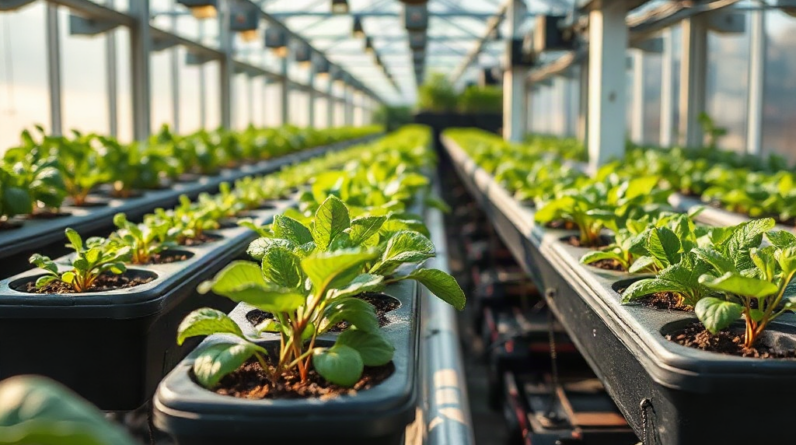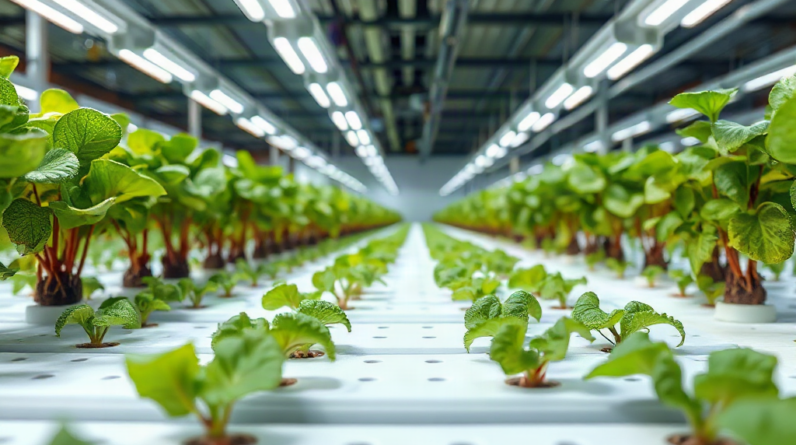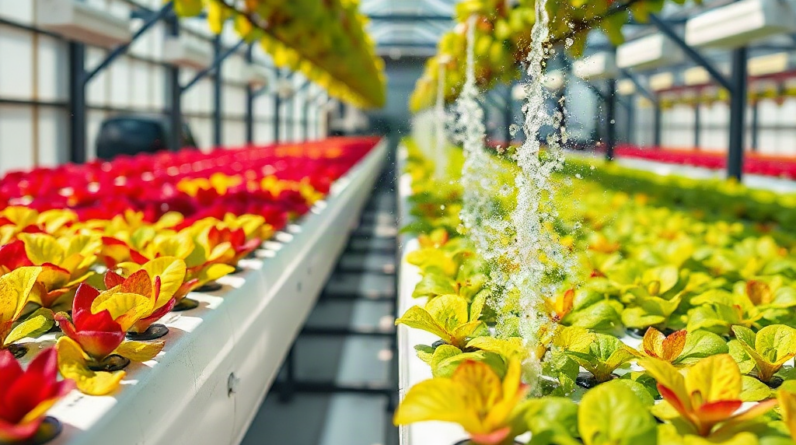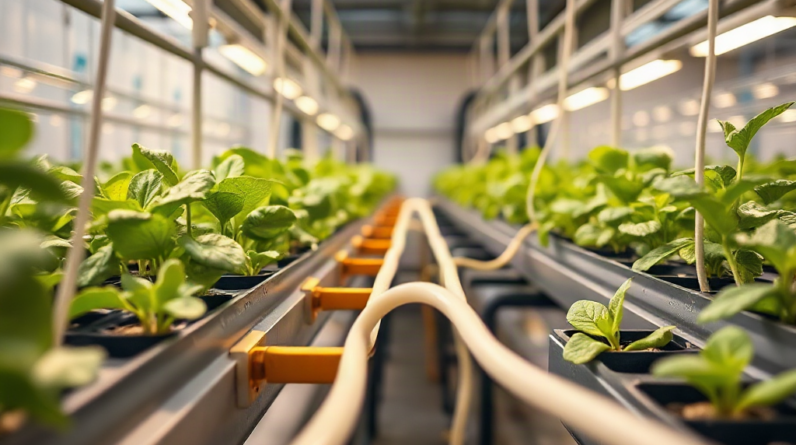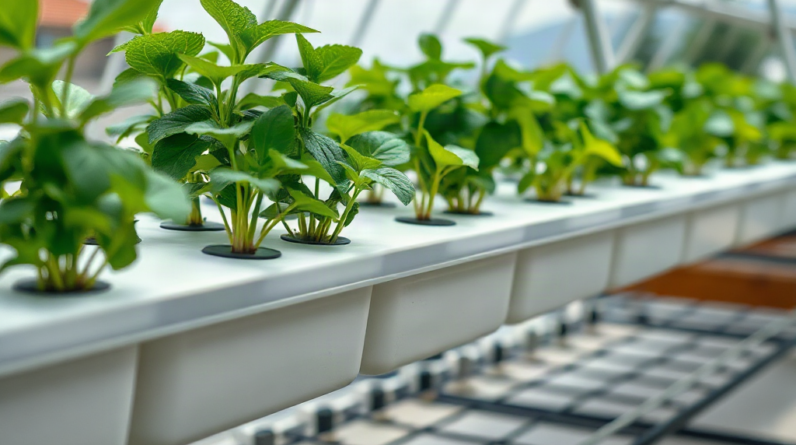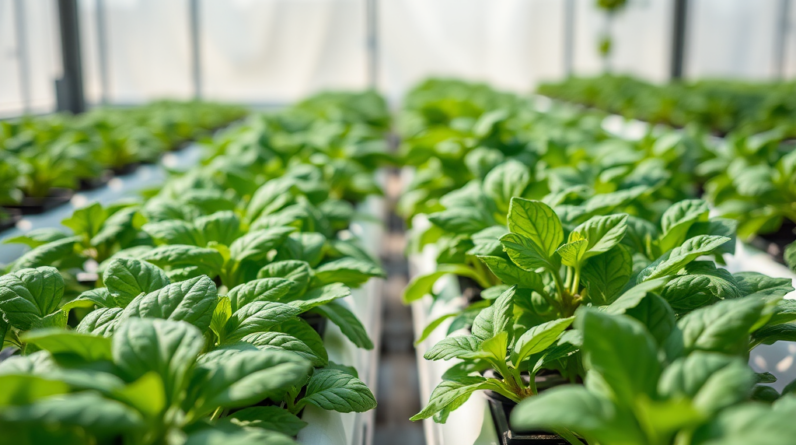
The color of light significantly affects hydroponic growth, with different wavelengths influencing various aspects of plant development. Blue light is vital for promoting strong vegetative growth, while red light is essential for flowering and fruit production. Growers should aim for a balanced light spectrum that combines these colors to optimize growth cycles and enhance yields. For instance, increasing blue light during the vegetative phase can lead to healthier leaves and increased biomass, while a shift to red light during flowering can improve fruiting outcomes. Understanding and adjusting light color can be a game-changer in maximizing the efficiency of hydroponic systems.
The Role of Light in Plant Growth
Light is a fundamental component of plant growth, particularly in hydroponic systems where soil is absent. Plants rely on light for photosynthesis, a process that converts light energy into chemical energy, facilitating growth and development. The intensity, duration, and color of light can all significantly impact how plants grow, affecting everything from leaf size to flowering time.
In hydroponics, where conditions are controlled, understanding the role of light becomes even more critical. The right light spectrum can maximize growth efficiency, ensuring that plants achieve their full potential without the limitations often encountered in traditional soil-based gardening.
Understanding Light Spectrum and Plant Response
The light spectrum is divided into different wavelengths, each affecting plants in unique ways. Blue light (400-500 nm) is essential for vegetative growth, promoting strong stems and lush foliage. Red light (600-700 nm), on the other hand, is crucial for flowering and fruit production. Understanding these wavelengths allows growers to tailor their lighting systems to meet the specific needs of their plants at different growth stages.
Research indicates that a balanced combination of blue and red light can lead to optimal growth. For example, studies have shown that plants exposed to a higher ratio of blue light during the vegetative stage tend to exhibit increased biomass and healthier leaves. Conversely, increasing red light during the flowering stage has been shown to enhance fruit set and overall yield. This targeted approach to lighting can significantly improve the efficiency of hydroponic systems.
Practical Applications of Light Color in Hydroponics
Implementing the correct light colors in hydroponic systems involves selecting appropriate light sources, such as LED grow lights, which allow for precise control over light spectrum. Growers can program these lights to emit specific wavelengths at different growth stages, enhancing plant health and productivity. For instance, during the early growth phase, a spectrum rich in blue light can be used, transitioning to more red light as the plants begin to flower.
Additionally, the use of light timers can help simulate natural day-night cycles, which is beneficial for plant circadian rhythms. This practice not only supports healthy growth patterns but can also reduce energy consumption by allowing growers to optimize light usage according to plant needs.
Common Mistakes in Light Management
One common mistake in hydroponic gardening is using a single type of light throughout the entire growth cycle. While some plants may thrive under a general spectrum, many benefit from a tailored approach that changes with their developmental needs. Another mistake is neglecting light intensity; too much or too little light can lead to poor growth outcomes, such as leggy plants or stunted growth.
Furthermore, growers often underestimate the importance of light duration. Plants require a specific photoperiod to flourish, and failing to provide adequate dark periods can stress plants, affecting their overall health and yield. By understanding and correcting these common pitfalls, hydroponic gardeners can create more productive and resilient systems.
For those interested in exploring more about the effects of light color on hydroponic growth, numerous resources are available. Research papers from agricultural universities and horticultural studies can provide deeper insights into specific wavelengths and their impact on various plant species.
Frequently Asked Questions
What color light is best for hydroponic plants?
Blue light is best for vegetative growth, while red light is ideal for flowering and fruiting.
How does light color affect plant growth?
Different light colors influence photosynthesis rates and growth patterns, with blue promoting leaf growth and red enhancing flowering.
Can I use regular bulbs for hydroponic plants?
Regular bulbs may not provide the necessary spectrum for optimal growth; specialized grow lights are recommended.
How long should I keep lights on for hydroponic plants?
Most plants thrive with 12-16 hours of light per day, depending on their growth stage.
What are the benefits of using LED lights in hydroponics?
LED lights are energy-efficient, produce less heat, and allow for specific wavelength control, making them ideal for hydroponic systems.
Further Reading
Authoritative Sources
- USDA National Institute of Food and Agriculture
nifa.usda.govResearch and extension resources related to agriculture, plants, soil, and food systems
- Extension Foundation Gardening Resources
extension.orgUniversity extension education resources for practical gardening and home agriculture topics
- USDA Natural Resources Conservation Service
nrcs.usda.govSoil, water, conservation, and land management resources for practical growing decisions
Conclusion
Understanding the effects of light color on hydroponic growth is essential for optimizing plant health and yield. By utilizing a balanced light spectrum tailored to the specific growth stages of plants, hydroponic gardeners can enhance photosynthesis, improve growth rates, and ultimately increase productivity. Avoiding common mistakes in light management will further ensure that plants receive the best possible conditions for thriving in a hydroponic environment.