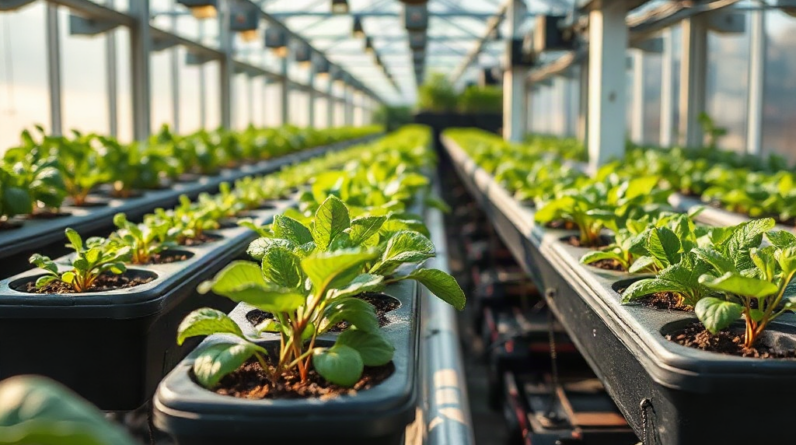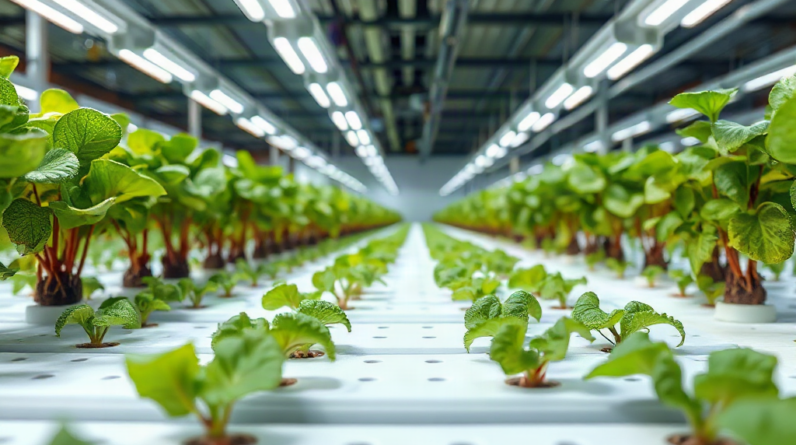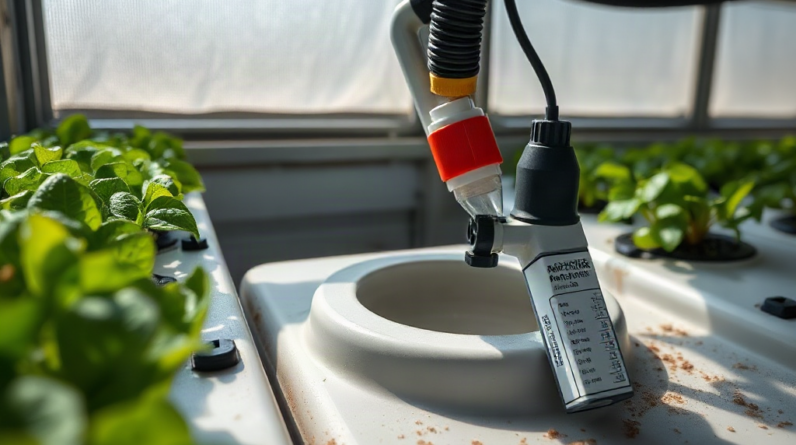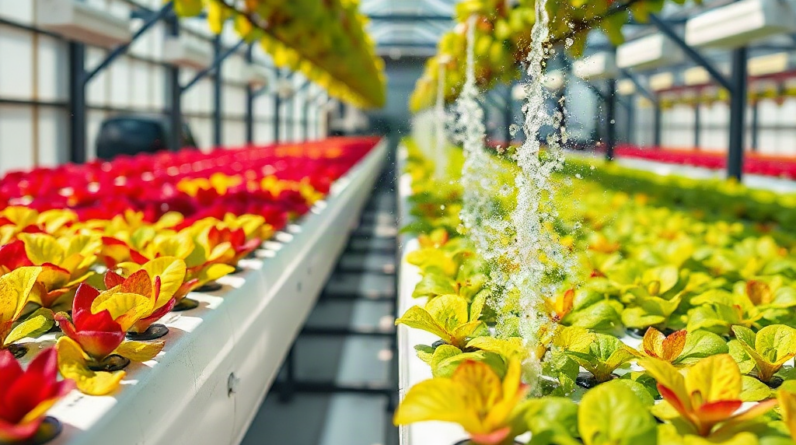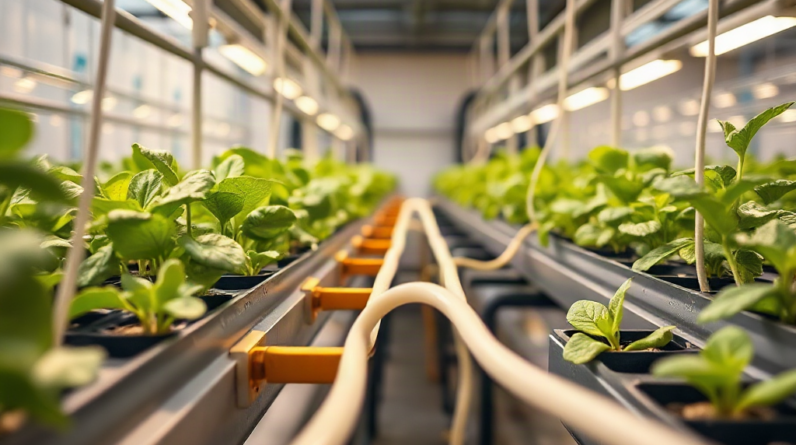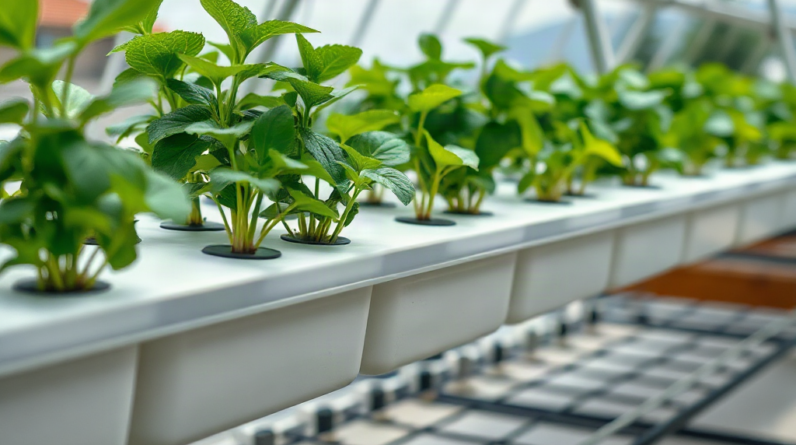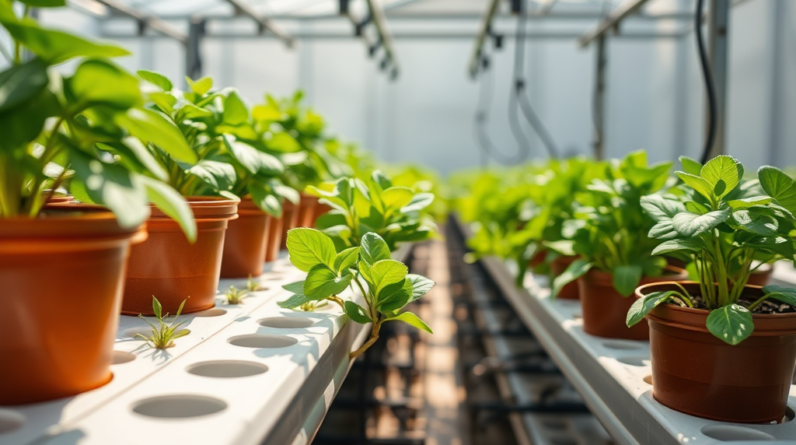
An efficient hydroponic watering system is vital for delivering water and nutrients directly to plant roots, promoting healthy growth and maximizing yields. Techniques such as drip irrigation and nutrient film technique (NFT) are effective methods that ensure plants receive the right amount of moisture while minimizing waste. Drip irrigation allows for a controlled water supply, reducing the risk of over-saturation, while NFT provides a constant flow of nutrient-rich water, enhancing oxygen availability to the roots. It's essential to monitor water delivery and root zone conditions to prevent issues like root rot, ensuring optimal plant health and productivity.
Understanding Hydroponic Watering Systems
An efficient hydroponic watering system is essential for delivering the right amount of water and nutrients to plants grown without soil. The system’s design directly affects plant health, growth rates, and yield. Hydroponics relies on water as the primary growing medium, making it crucial to manage its delivery effectively. A well-designed system ensures that plants receive consistent moisture and nutrients while minimizing waste.
Hydroponic systems can be broadly categorized into several types, including deep water culture, nutrient film technique (NFT), and aeroponics. Each system has its own advantages and drawbacks, but they all share the common goal of maximizing efficiency and plant health. Understanding how these systems work will help growers select the best option for their needs.
Key Techniques in Hydroponic Watering
One of the most effective methods in an efficient hydroponic watering system is drip irrigation. This technique involves delivering water and nutrients directly to the plant’s root zone through a network of tubing and emitters. By providing a slow, steady supply of moisture, drip irrigation minimizes water waste and prevents over-saturation of the growing medium.
Nutrient Film Technique (NFT) is another popular method. In this system, a thin film of nutrient-rich water flows over the roots of plants, allowing them to absorb moisture and nutrients while also receiving adequate oxygen. This technique is particularly effective for fast-growing crops like lettuce and herbs.
Aeroponics takes it a step further by suspending plant roots in air and misting them with a nutrient solution. This method provides excellent oxygenation and can lead to faster growth rates, but it requires careful monitoring to prevent roots from drying out. Each of these techniques plays a vital role in ensuring that plants thrive in a hydroponic environment.
Common Mistakes in Hydroponic Watering
Even with an efficient hydroponic watering system, growers can still encounter challenges. One common mistake is overwatering, which can lead to root rot and other issues. It’s essential to monitor moisture levels closely and adjust watering schedules based on the specific needs of the plants being grown.
Another mistake is neglecting to balance the nutrient solution. An imbalanced solution can lead to nutrient deficiencies or toxicities, negatively affecting plant health. Regular testing and adjustment of the nutrient solution are crucial for maintaining optimal growth conditions.
Finally, some growers underestimate the importance of aeration in their systems. Adequate oxygen levels are vital for root health, and without proper aeration, plants may struggle to thrive. Incorporating air stones or ensuring good airflow can help prevent these issues.
Frequently Asked Questions
What is the best hydroponic watering system?
The best system depends on the crop type and grower's goals; popular options include drip irrigation, NFT, and aeroponics.
How often should I water my hydroponic plants?
Watering frequency varies by plant type, growth stage, and system; typically, check moisture levels daily.
Can I use tap water for hydroponics?
Yes, but it's essential to test for chlorine and other contaminants, which can affect plant health.
What nutrients do hydroponic systems need?
Hydroponic systems require a balanced nutrient solution containing macronutrients like nitrogen, phosphorus, and potassium, as well as micronutrients.
What are the signs of overwatering in hydroponic plants?
Signs include yellowing leaves, wilting, and root rot; proper monitoring and drainage are essential to prevent this.
Further Reading
Authoritative Sources
- USDA National Institute of Food and Agriculture
nifa.usda.govResearch and extension resources related to agriculture, plants, soil, and food systems
- Extension Foundation Gardening Resources
extension.orgUniversity extension education resources for practical gardening and home agriculture topics
- USDA Natural Resources Conservation Service
nrcs.usda.govSoil, water, conservation, and land management resources for practical growing decisions
Conclusion
An efficient hydroponic watering system is vital for healthy plant growth and maximizing yield. By understanding the different watering techniques and avoiding common pitfalls, growers can create an optimal environment for their crops. Regular monitoring and adjustments to water and nutrient delivery will ensure that plants thrive throughout their growth cycle. Making informed choices about the system and techniques used will lead to greater success in hydroponic gardening.