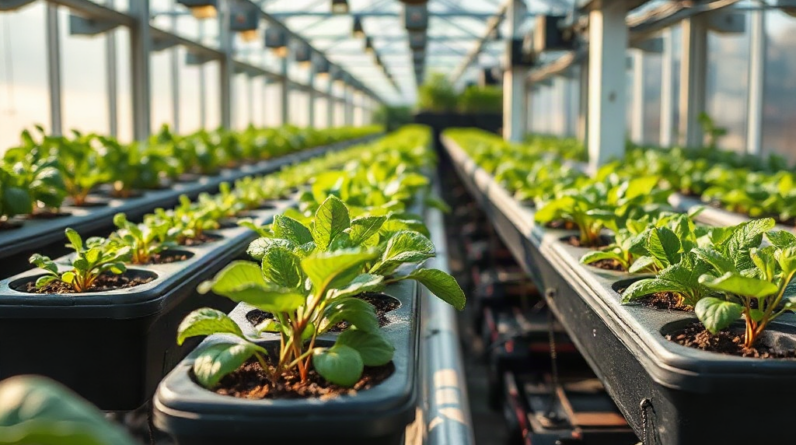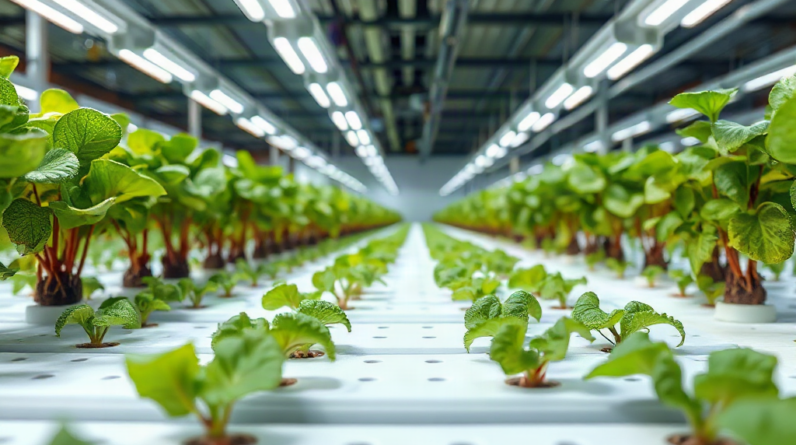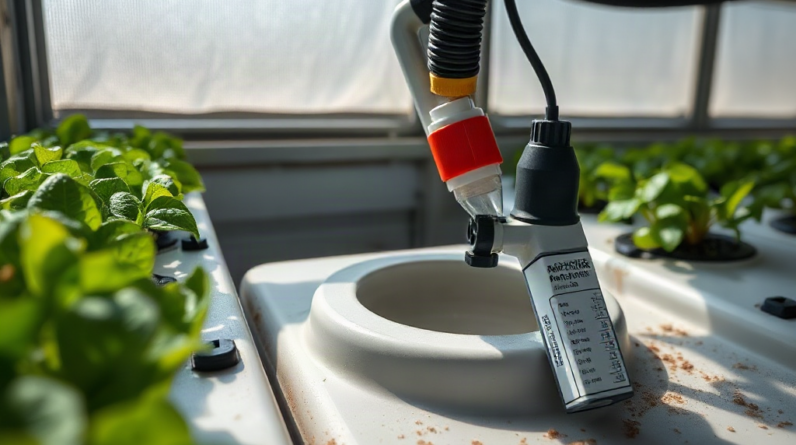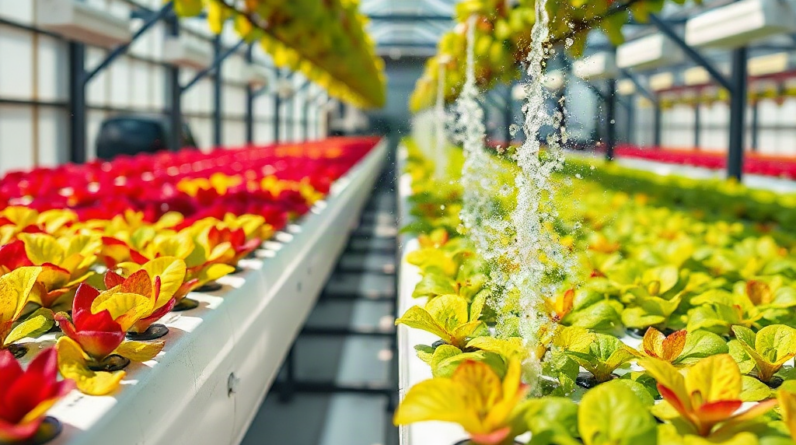
The hidden costs of setting up hydroponics extend beyond the initial investment in equipment. Ongoing expenses such as nutrient solutions, electricity for grow lights, and water can accumulate quickly, often surpassing initial costs if not monitored. Additionally, overlooked expenses like growing media and pest management can strain your budget unexpectedly. Regular maintenance and potential upgrades to your system are also crucial for long-term success. To mitigate these hidden costs, create a detailed budget that accounts for both initial and recurring expenses, ensuring you are prepared for the financial commitment of hydroponic gardening.
Understanding Initial and Ongoing Costs
Setting up a hydroponic system involves various costs that can quickly add up. While the initial investment in equipment like grow lights, pumps, and nutrient reservoirs is usually what most people consider, it’s essential to account for ongoing expenses, which can include nutrient solutions, electricity, and water. These ongoing costs can often surpass the initial setup costs if not carefully managed.
For example, nutrient solutions need to be replenished regularly, and the cost can vary based on the scale of your operation and the specific crops being grown. Additionally, the energy consumption of grow lights and pumps can lead to substantial utility bills, especially if your system operates continuously. Therefore, understanding both initial and ongoing costs is crucial for effective budgeting in hydroponics.
Common Overlooked Expenses
Many aspiring hydroponic gardeners overlook several critical expenses that can significantly affect their overall budget. One common area of neglect is the cost of growing media and containers. While many may assume soil-less systems eliminate these costs, materials like rock wool, clay pellets, or coconut coir can add up, especially if you are frequently replanting.
Another often-missed cost is pest management. Hydroponic systems can still be susceptible to pests and diseases, requiring additional investments in organic pesticides or preventive measures. Ignoring these expenses can lead to unexpected financial strain, emphasizing the need for thorough planning and budgeting.
Equipment Maintenance and Upgrades
Maintaining your hydroponic system is vital for its longevity and efficiency, but it also incurs costs that can be easily overlooked. Regular maintenance of pumps, lights, and timers is necessary to ensure optimal performance and can require replacement parts or professional servicing. Over time, these costs can accumulate.
Additionally, as technology advances, you may find the need to upgrade your equipment to improve efficiency or yield. For instance, switching to energy-efficient LED lights can reduce electricity costs but may require a significant upfront investment. Balancing maintenance and upgrades is crucial to avoid unexpected expenses while maximizing your hydroponic system’s productivity.
Environmental and Utility Costs
The environmental conditions surrounding your hydroponic system can greatly influence your operating costs. Factors such as heating, cooling, and humidity control can lead to increased utility bills. For instance, in colder climates, heating systems may be necessary to maintain optimal growing temperatures, which can significantly add to energy expenses.
Moreover, the quality of your water source can also affect costs. If your water supply is hard or contains contaminants, you may need to invest in filtration systems, further increasing your initial and ongoing expenses. Understanding these environmental factors can help you prepare for the true costs of hydroponic gardening.
Frequently Asked Questions
What are the main hidden costs of setting up hydroponics?
Main hidden costs include ongoing nutrient solutions, electricity for lights and pumps, water filtration, and potential pest management expenses.
How do utility costs impact hydroponic gardening?
Utility costs can significantly increase due to the energy requirements of grow lights, pumps, and climate control systems, impacting overall profitability.
Are there maintenance costs associated with hydroponics?
Yes, maintenance costs are incurred for servicing and replacing parts of pumps, lights, and other equipment to ensure the system operates efficiently.
What should I budget for pest management in hydroponics?
Budgeting for pest management may include costs for organic pesticides, traps, and preventive measures, which can vary based on crop type and pest prevalence.
How can I reduce hidden costs in hydroponics?
To reduce hidden costs, consider energy-efficient equipment, plan for regular maintenance, and monitor environmental conditions to optimize resource use.
Further Reading
Authoritative Sources
- Hydroponics Research and Development
example.comThis resource provides insights into the latest innovations and cost considerations in hydroponic gardening.
Further Reading
Authoritative Sources
- USDA National Institute of Food and Agriculture
nifa.usda.govResearch and extension resources related to agriculture, plants, soil, and food systems
- Extension Foundation Gardening Resources
extension.orgUniversity extension education resources for practical gardening and home agriculture topics
- USDA Natural Resources Conservation Service
nrcs.usda.govSoil, water, conservation, and land management resources for practical growing decisions
Conclusion
Understanding the hidden costs of setting up hydroponics is crucial for successful gardening. Beyond initial equipment expenses, ongoing costs such as nutrients, utilities, and maintenance can impact profitability. By budgeting for these factors and planning for common overlooked expenses, you can better manage your hydroponic system’s financial health and ensure sustainable growth.