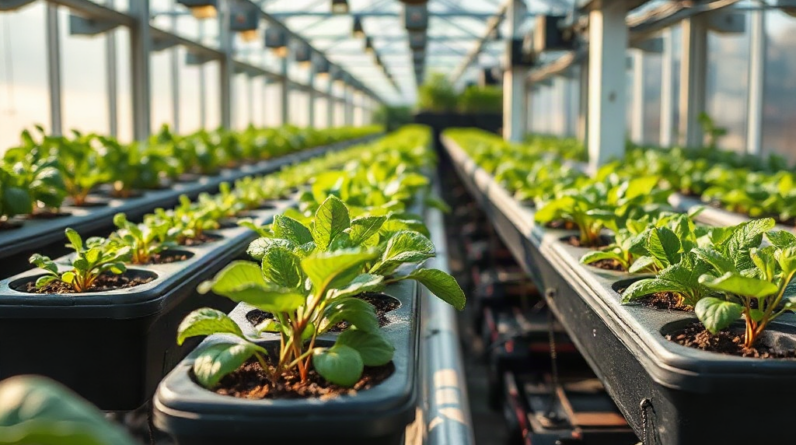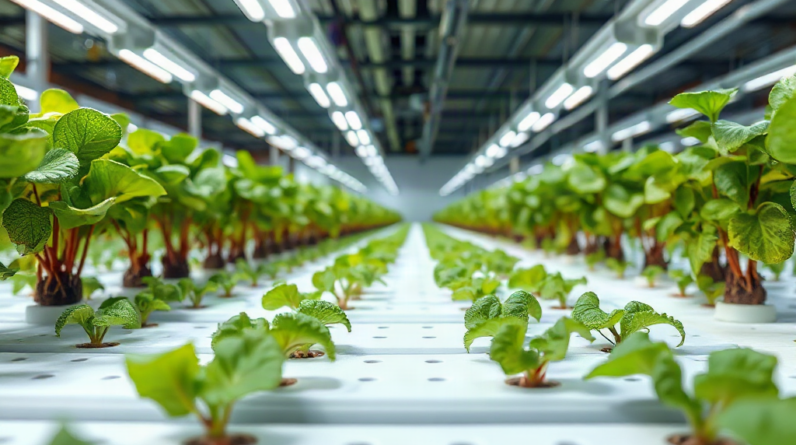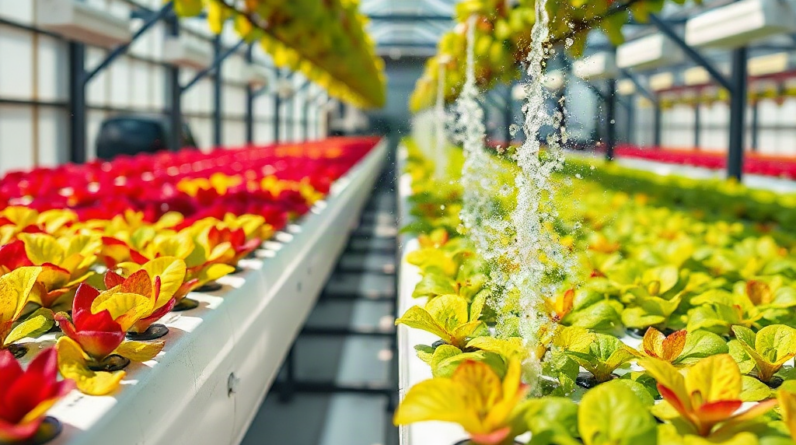
To adjust light intensity for different crops, first identify the specific light needs of each crop type, as these vary significantly. For example, leafy greens like lettuce prefer lower light levels, around 200-400 µmol/m²/s, while fruiting crops such as tomatoes thrive under higher intensities of 600-1000 µmol/m²/s. Utilize adjustable lighting systems, such as dimmable LEDs or high-intensity discharge lights, to tailor the light output throughout the growth stages. Additionally, be mindful of the distance between the light source and plants; raising or lowering lights can effectively alter the intensity. Regularly monitoring plant responses to light adjustments will help optimize growth and yield.
Understanding Light Requirements for Different Crops
Each crop has unique light requirements that significantly impact its growth and yield. Understanding these requirements is crucial for optimizing plant health and productivity. For example, leafy greens such as lettuce and spinach thrive in lower light conditions (around 200-400 µmol/m²/s), while fruiting crops like peppers and tomatoes require more intense light (600-1000 µmol/m²/s) to produce effectively. Recognizing these differences helps growers tailor their lighting strategies to meet specific crop needs.
Moreover, the growth stage of the plant can further influence light intensity needs. Seedlings and young plants often require less light than mature plants, which necessitate higher intensity for flowering and fruiting. Understanding the interplay between crop type, growth stage, and light requirements enables effective planning for light management strategies.
Methods for Adjusting Light Intensity
Adjusting light intensity can be achieved through various methods, primarily involving the use of adjustable lighting systems. These systems can include dimmable LED lights, adjustable high-intensity discharge (HID) lights, or even natural sunlight manipulation through shades and reflective materials. For instance, using dimmable LED systems allows growers to easily modify light levels based on the specific needs of their crops throughout the growth cycle.
Additionally, the distance between the light source and the crops plays a critical role in light intensity. By adjusting the height of the lights, growers can increase or decrease the intensity reaching the plants. For example, raising the lights will decrease intensity, while lowering them will increase it. This method is particularly useful for crops that are at different growth stages within the same growing area.
Common Mistakes When Adjusting Light
One common mistake growers make is not considering the specific light needs of different crops. For instance, placing high-intensity lights too close to sensitive plants can lead to light burn, while placing them too far away can cause stunted growth due to insufficient light. Another mistake is failing to adjust light intensity as plants grow. As plants mature, their light needs change, and neglecting to adapt can result in poor yields.
Furthermore, many growers overlook the importance of light spectrum. Different plants may benefit from specific light wavelengths for optimal growth. For example, blue light is crucial for vegetative growth, while red light supports flowering and fruiting. Ensuring that the light spectrum aligns with the plants’ growth stages is essential for maximizing productivity.
Real-World Examples of Light Adjustment
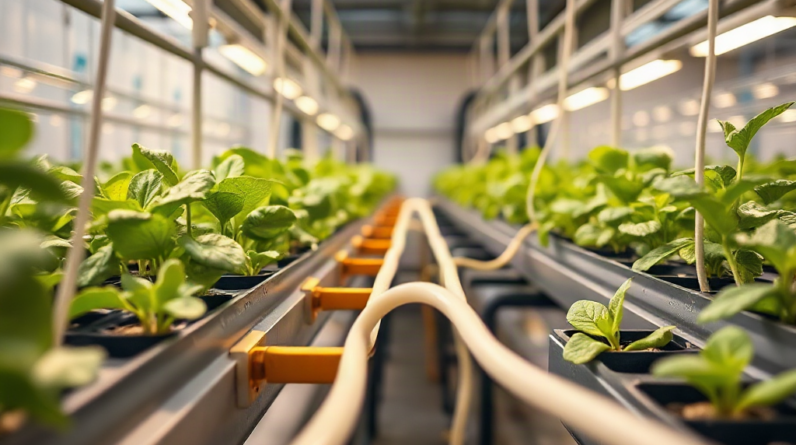
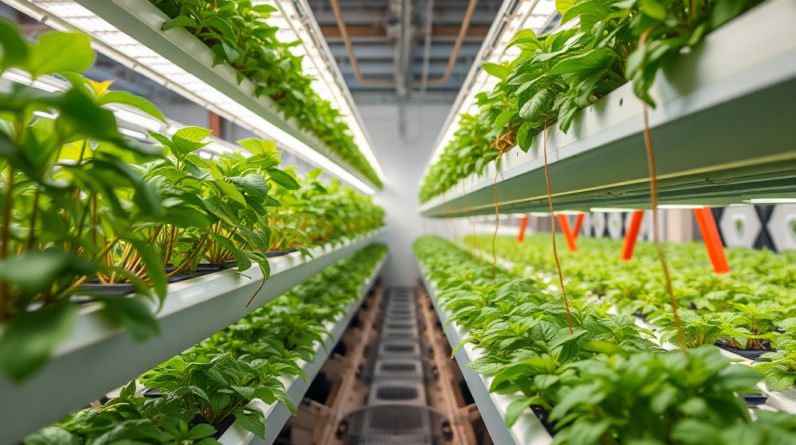
In commercial hydroponic systems, growers often use adjustable LED systems to cater to a variety of crops. For instance, a grower cultivating both basil and cucumbers may set the LED lights to a lower intensity for the basil while increasing the intensity for cucumbers during their flowering phase. This strategic adjustment not only maximizes yield but also conserves energy by not over-lighting the basil.
Another practical example can be found in greenhouse operations, where natural light varies throughout the seasons. Growers can use shading systems to reduce light intensity during peak summer months for sensitive crops, while employing supplemental lighting during shorter winter days to ensure adequate light for all plants. This adaptability allows for successful year-round cultivation of diverse crops.
Frequently Asked Questions
What is the ideal light intensity for leafy greens?
Leafy greens typically thrive under lower light conditions, ideally between 200-400 µmol/m²/s.
How can I measure light intensity in my grow area?
You can measure light intensity using a quantum light meter, which provides readings in µmol/m²/s.
Can I use natural sunlight for hydroponic crops?
Yes, natural sunlight can be used, but supplemental artificial lighting may be necessary to meet the specific light needs of certain crops.
What are the consequences of too much light for plants?
Excessive light can lead to light burn, leaf bleaching, and stunted growth in sensitive plants.
How often should I adjust my light settings?
Light settings should be adjusted based on the growth stage of the plants, typically every few weeks or as plants mature.
Further Reading
Authoritative Sources
- Library of Congress Research Guides
guides.loc.govResearch guides that help readers locate reliable background sources on a wide range of subjects
- USA.gov Official Information and Services
usa.govOfficial U.S. government information and public resources for practical reference
- Google Scholar
scholar.google.comAcademic search resource for finding research literature and source material
Conclusion
Adjusting light intensity for different crops is crucial for optimizing growth and yield. By understanding the specific light requirements of each crop and employing effective methods to adjust light intensity, growers can enhance productivity and health. Regular monitoring and adjustments based on plant growth stages will ensure that crops receive the right amount of light throughout their development, ultimately leading to better harvest outcomes.