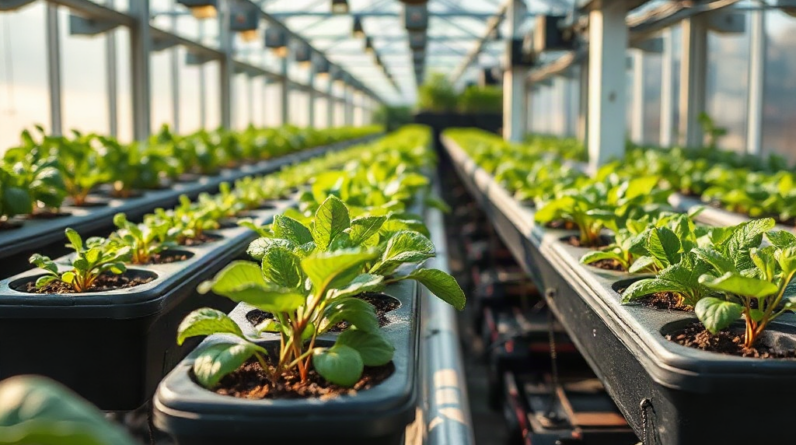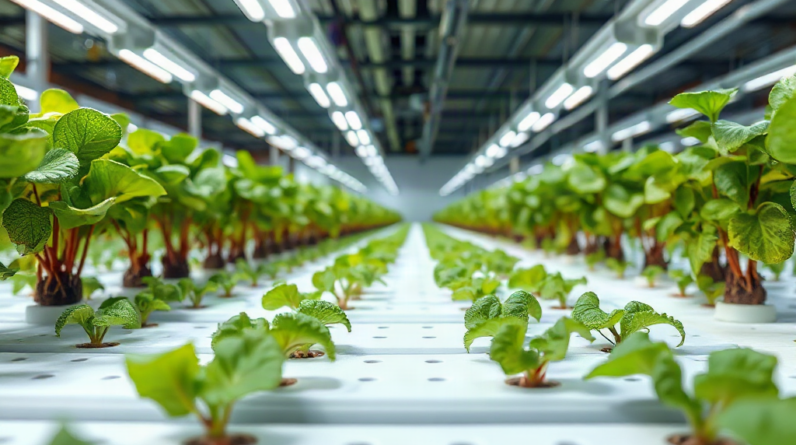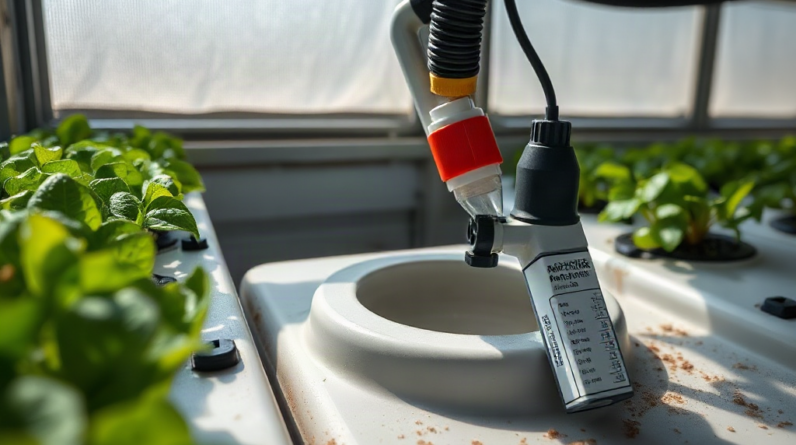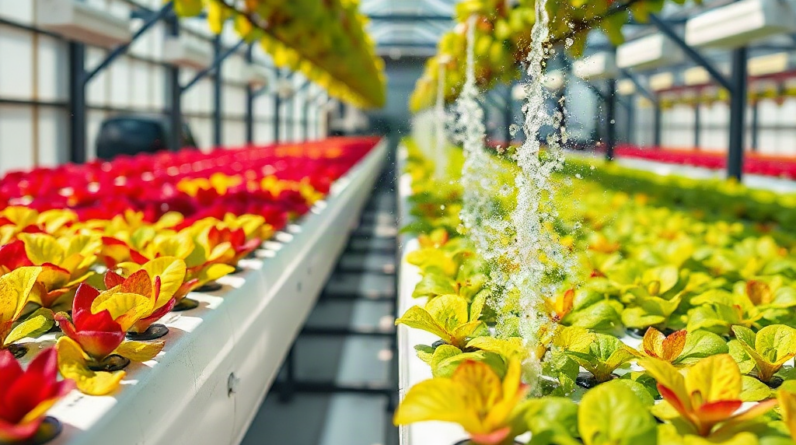
To adjust pH levels in hydroponics, begin by accurately measuring the nutrient solution with a calibrated pH meter. Aim for a pH range of 5.5 to 6.5 for optimal nutrient absorption. If the pH is too low, add a pH up solution; if it's too high, use a pH down solution. Make adjustments gradually to prevent shocking the plants, and monitor the pH regularly, as fluctuations can hinder nutrient uptake and affect plant health. Remember that different plants may have specific pH preferences, so be attentive to their needs.
Understanding pH and Its Importance in Hydroponics
PH refers to the acidity or alkalinity of a solution, measured on a scale from 0 to 14. In hydroponics, maintaining the correct pH is crucial because it directly affects nutrient availability and plant health. Most hydroponic plants thrive in a pH range of 5.5 to 6.5, which allows optimal nutrient uptake. If the pH is too low (acidic) or too high (alkaline), plants can suffer from nutrient deficiencies or toxicities, leading to stunted growth and poor yields.
Understanding pH levels helps growers make informed decisions about nutrient solutions and overall plant care. Regular monitoring ensures that any deviations can be corrected promptly, preventing long-term damage. It’s essential to recognize that different plants may have slightly different pH preferences, but the general range remains consistent across most hydroponic systems.
How to Measure pH Levels Accurately
Accurate measurement of pH levels is the first step in managing your hydroponic system effectively. The most common tools for measuring pH are handheld pH meters and pH test strips. pH meters are generally more accurate and are preferred by serious growers. To use a pH meter, first calibrate it with standard calibration solutions before testing your nutrient solution.
Submerge the electrode in the nutrient solution for a few seconds until the reading stabilizes. Ensure that the meter is properly cleaned and maintained to avoid contamination and inaccurate readings. If using pH test strips, dip a strip into the solution, wait for the color change, and compare it against a color chart. While test strips are less precise, they can be useful for quick checks.
Methods for Adjusting pH Levels
Once you have determined the pH level of your nutrient solution, adjustments can be made using pH up or pH down solutions. pH up solutions typically contain potassium hydroxide or sodium hydroxide, while pH down solutions usually contain phosphoric acid or citric acid. It’s important to add these solutions gradually; start with small amounts, mix thoroughly, and retest the pH before making further adjustments.
For example, if the pH is too low, add a few drops of pH up, stir the solution, and wait a few minutes before testing again. If adjustments are needed, repeat the process until the desired pH is reached. Regularly check the pH, especially after adding nutrients, as these can also affect the solution’s acidity or alkalinity.
Common Mistakes When Adjusting pH
A common mistake in adjusting pH levels is making drastic changes too quickly. Rapid adjustments can shock plants and lead to stress, impacting their growth and health. Additionally, growers sometimes neglect to calibrate their pH meters regularly, resulting in inaccurate readings. Always ensure that your equipment is properly maintained and calibrated before use.
Another pitfall is overlooking the impact of nutrient solutions on pH. Different fertilizers can alter the pH balance, so it’s essential to monitor levels consistently, especially after adding nutrients. Lastly, using too much pH adjustment solution can lead to overshooting the desired range, making the problem worse. Always err on the side of caution and make small, incremental adjustments.
Frequently Asked Questions
What is the ideal pH level for hydroponics?
The ideal pH level for hydroponics typically ranges from 5.5 to 6.5, allowing for optimal nutrient uptake by plants.
How often should I check the pH levels in my hydroponic system?
It is recommended to check pH levels at least once a week, or more frequently if you are adding nutrients or experiencing plant stress.
Can I use vinegar to lower pH in hydroponics?
While vinegar can lower pH, it is not recommended for hydroponics due to its potential to introduce unwanted compounds and affect nutrient balance.
What happens if the pH is too high?
If the pH is too high, plants may experience nutrient deficiencies, particularly in iron, magnesium, and manganese, leading to poor growth and yellowing leaves.
Are there any natural methods to adjust pH in hydroponics?
Natural methods include using citric acid or lemon juice to lower pH. However, these should be used cautiously and in conjunction with regular monitoring.
Further Reading
Authoritative Sources
- Hydroponics 101
hydroponics.comThis resource provides foundational knowledge on hydroponics, including nutrient management and pH adjustment
- Gardening Know How
gardeningknowhow.comA comprehensive guide on gardening techniques, including detailed sections on hydroponic systems and pH control
- eXtension
extension.orgProvides research-based information on agriculture, including hydroponics and nutrient management strategies
Conclusion
Maintaining the correct pH levels in hydroponics is essential for ensuring healthy plant growth and maximizing yields. Regular monitoring and careful adjustments using appropriate methods can prevent nutrient deficiencies and toxicities. By understanding how to measure and adjust pH effectively, growers can create optimal conditions for their plants, leading to better overall health and productivity. Always remember to make adjustments gradually and monitor the effects on your plants for the best results.