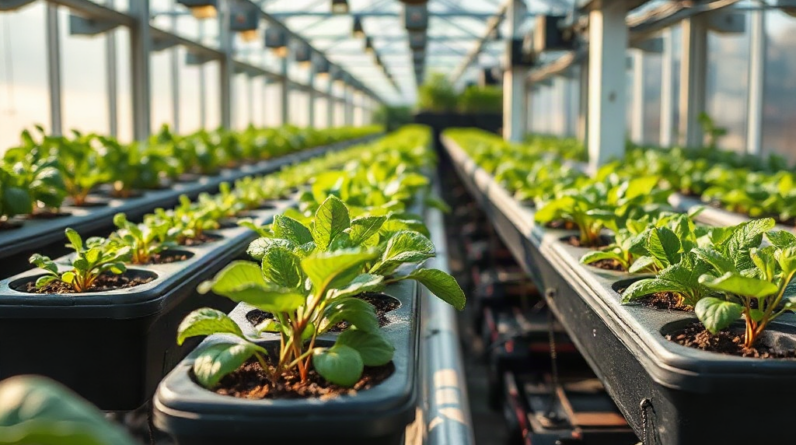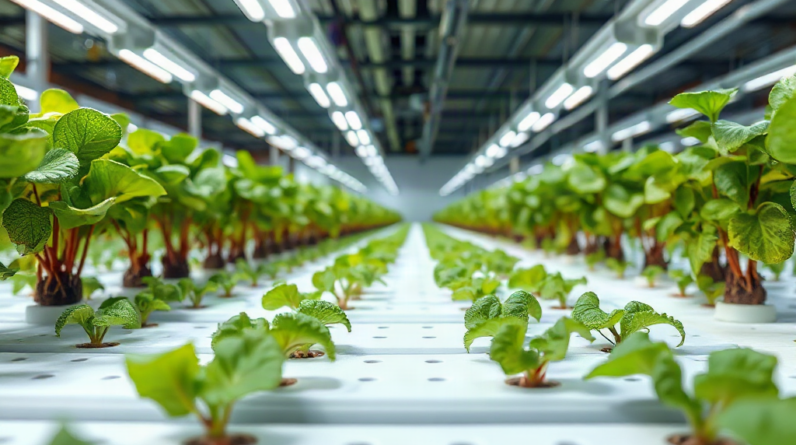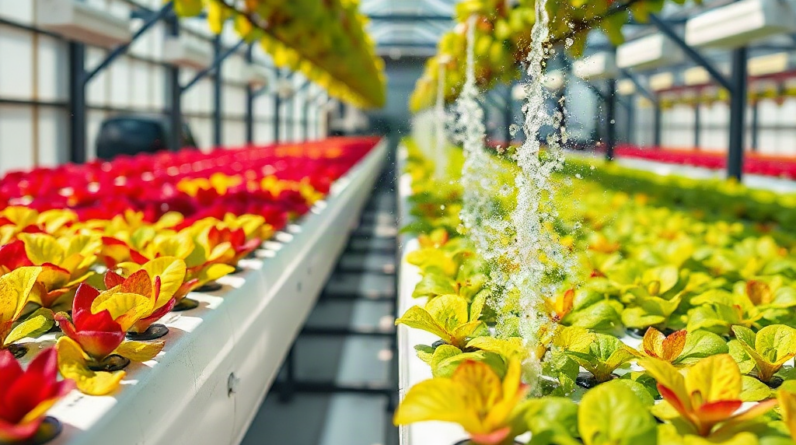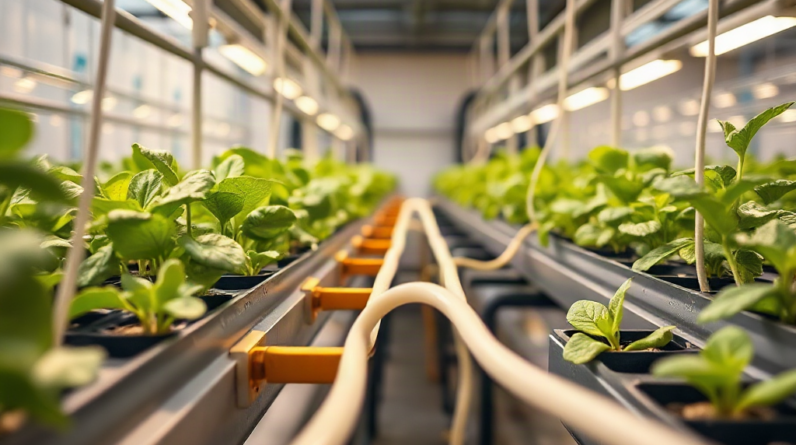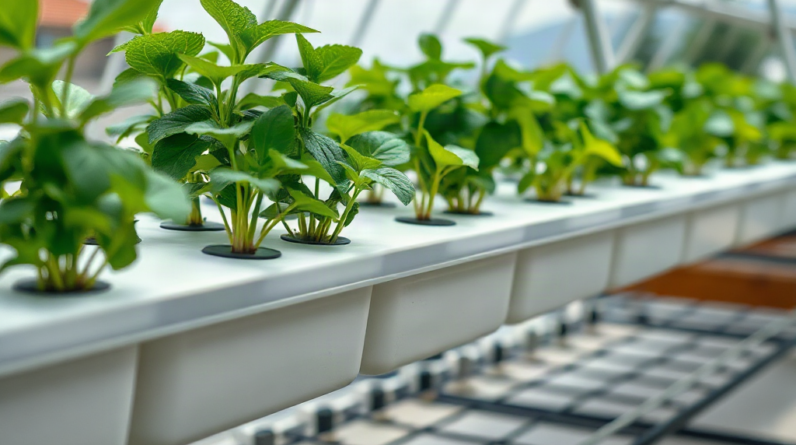
To assess hydroponic plant health, closely observe the plants for signs of distress such as leaf discoloration, wilting, and poor root development. Healthy plants should have vibrant green leaves and firm, white roots. Regularly check nutrient levels and pH balance, as imbalances can lead to symptoms like yellowing leaves or stunted growth. Additionally, monitor environmental factors such as light and humidity, since inadequate conditions can exacerbate health issues. Early detection of these signs allows for timely interventions, helping to maintain optimal growth and prevent larger problems.
Understanding Plant Health Indicators
Assessing hydroponic plant health begins with understanding key indicators that signal well-being or distress. Healthy plants exhibit vibrant color, robust growth, and a well-developed root system. In contrast, signs of distress include discoloration, wilting, and poor root development. Regularly monitoring these indicators helps in early detection of issues, allowing for timely interventions.
For instance, healthy leaves are typically a rich green color, whereas yellowing may indicate nutrient deficiencies or overwatering. Roots should be white and firm, signaling good health, while brown, mushy roots suggest rot or disease. Observing these signs consistently will aid in maintaining optimal plant health.
Common Symptoms of Unhealthy Hydroponic Plants
Identifying symptoms of unhealthy plants is crucial for effective management. Common symptoms include leaf yellowing, curling, and necrosis. Yellow leaves often indicate nitrogen deficiency, while curling can point to nutrient imbalances or environmental stress. Recognizing these symptoms early allows growers to address underlying issues before they escalate.
For example, if leaf edges turn brown and crispy, this may signify inadequate watering or high nutrient levels. In contrast, if the entire leaf is yellowing, it may be due to nutrient deficiency. Keeping a close eye on these symptoms and understanding their causes is essential for maintaining plant health.
Assessing Environmental Factors
Environmental factors such as light, temperature, humidity, and airflow play a critical role in hydroponic plant health. Insufficient light can lead to weak growth and poor photosynthesis, while excessive heat can stress plants. Monitoring these conditions ensures plants receive the optimal environment for growth.
For instance, using a light meter can help determine if plants are receiving adequate light intensity. Additionally, maintaining a stable temperature between 65-75°F (18-24°C) is ideal for most hydroponic crops. Humidity levels should also be controlled, ideally between 40-60%, to prevent mold growth and ensure healthy transpiration.
Nutrient Management in Hydroponics
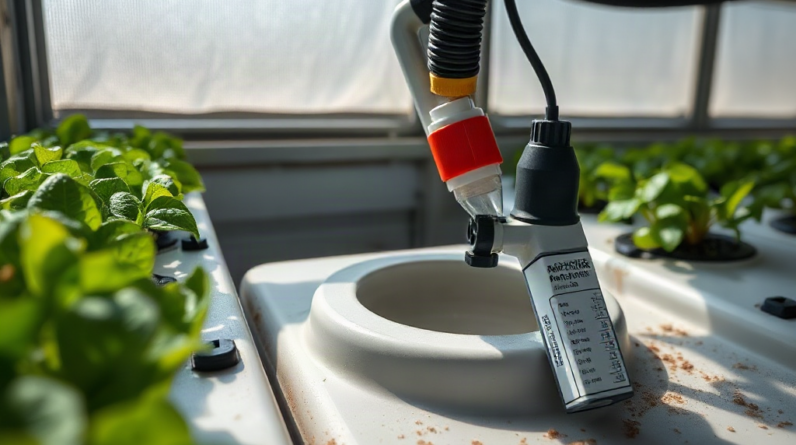
Nutrient management is vital for assessing and maintaining hydroponic plant health. Regularly testing the nutrient solution’s pH and electrical conductivity (EC) can reveal whether plants are receiving the right balance of nutrients. A pH between 5.5 and 6.5 is generally optimal for nutrient uptake.
For example, if the pH is too high or too low, nutrient lockout can occur, preventing plants from absorbing essential elements. Adjusting the nutrient solution based on test results allows for precise control over plant nutrition, promoting healthier growth and higher yields.
Frequently Asked Questions
What are the signs of nutrient deficiency in hydroponic plants?
Signs include yellowing leaves, stunted growth, and poor root development, indicating a lack of essential nutrients.
How can I improve the health of my hydroponic plants?
Ensure proper nutrient balance, maintain optimal pH levels, and provide adequate light and airflow to enhance plant health.
What is the ideal pH level for hydroponic systems?
The ideal pH level for most hydroponic systems is between 5.5 and 6.5 for optimal nutrient uptake.
How often should I check the nutrient solution?
It is advisable to check the nutrient solution weekly to ensure proper nutrient levels and pH balance.
Can environmental factors affect plant health?
Yes, factors like light intensity, temperature, and humidity significantly impact plant growth and overall health.
Further Reading
Authoritative Sources
- Hydroponics 101: A Beginner's Guide
hydroponics.comThis source provides foundational knowledge on hydroponics, including plant health assessment techniques
- USDA Guidelines on Hydroponic Nutrition
usda.govOffers guidelines and best practices for nutrient management in hydroponic systems
Conclusion
Assessing hydroponic plant health is essential for successful gardening. By monitoring key indicators such as leaf color, growth patterns, and environmental conditions, growers can identify issues early. Regular checks on nutrient solutions and environmental factors will ensure plants thrive, leading to better yields and healthier crops. Prioritize these assessments to maintain a robust hydroponic system.