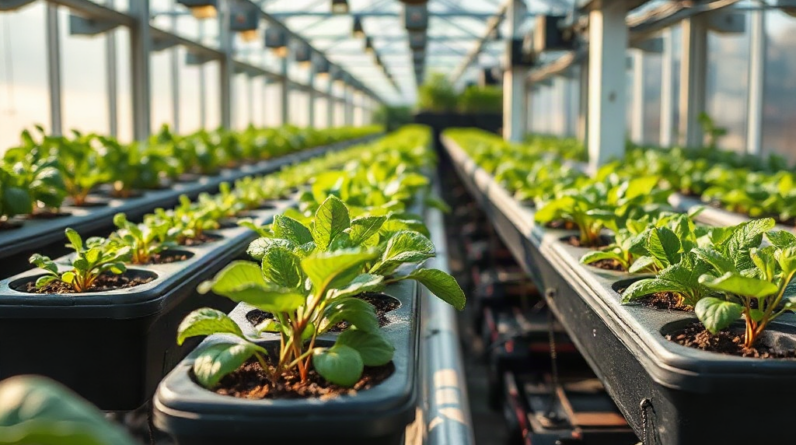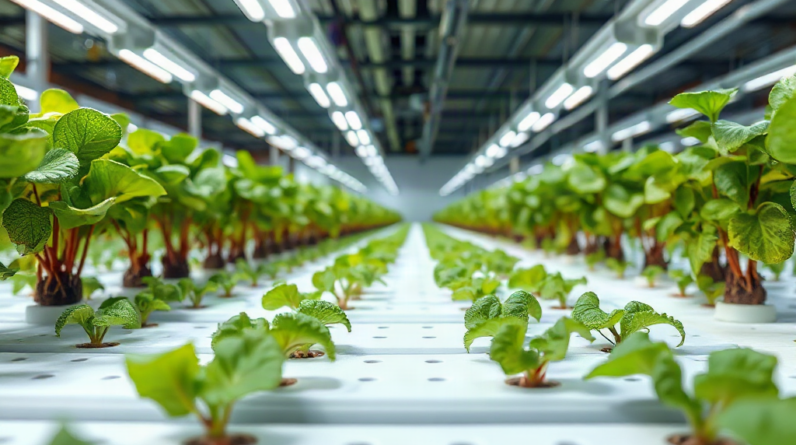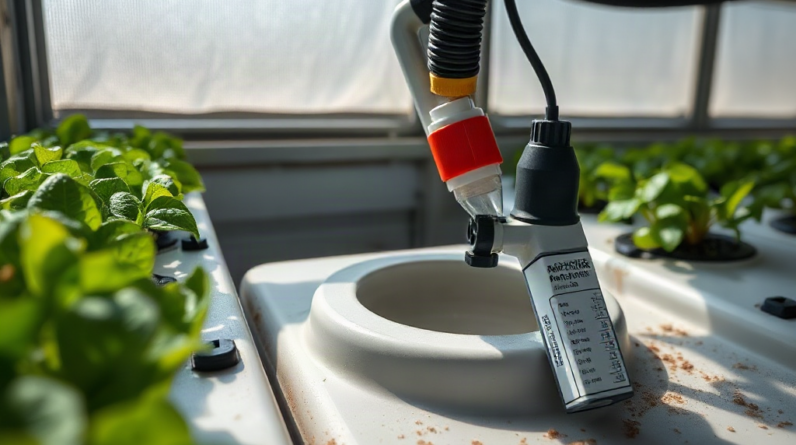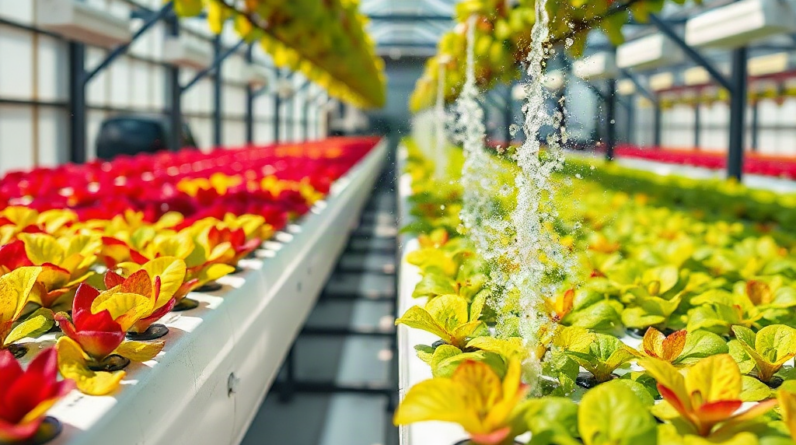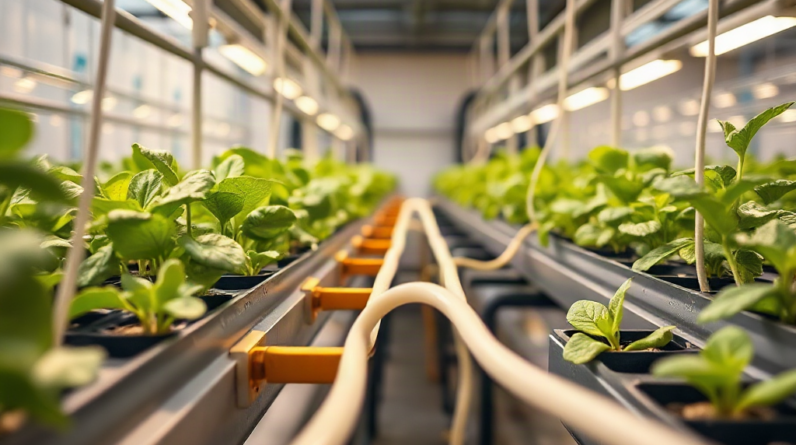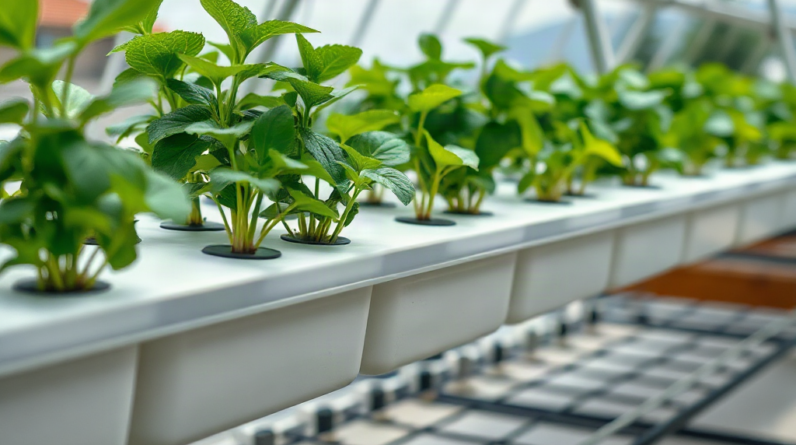
To avoid nutrient imbalances in hydroponics, consistently monitor the electrical conductivity (EC) and pH levels of your nutrient solution. Use high-quality nutrients specifically formulated for your plants and adhere to a regular feeding schedule to maintain optimal nutrient levels. It's essential to test water quality frequently, as neglecting this can lead to deficiencies or toxicities. Be cautious of common mistakes, such as assuming all plants have identical nutrient needs, which can exacerbate imbalances and negatively impact plant health.
Understanding Nutrient Imbalances
Nutrient imbalances in hydroponics occur when the levels of essential nutrients are either too high or too low for optimal plant growth. This can lead to a range of issues, including poor growth, yellowing leaves, and even plant death. Understanding the role of macronutrients such as nitrogen, phosphorus, and potassium, as well as micronutrients like iron and magnesium, is crucial. Each nutrient plays a specific role in plant health; for example, nitrogen is vital for leaf growth, while phosphorus is essential for root development and flowering.
Recognizing the symptoms of nutrient imbalances is critical. For instance, nitrogen deficiency often results in yellowing leaves, while excess nitrogen can cause rapid, weak growth. By understanding these symptoms, growers can take proactive measures to adjust nutrient levels accordingly.
Monitoring Nutrient Levels
Regular monitoring of nutrient levels in hydroponic systems is essential to avoid imbalances. Tools such as EC meters and pH testers should be part of every grower’s toolkit. The electrical conductivity (EC) meter measures the total concentration of dissolved salts in the nutrient solution, which directly correlates with nutrient concentration. Ideally, growers should maintain EC levels suited to their specific plants’ growth stages.
Additionally, testing the pH level of the nutrient solution is equally important, as pH affects nutrient availability. Most hydroponic plants thrive in a pH range of 5.5 to 6.5. Regularly checking and adjusting these parameters ensures that plants receive the right nutrients in the right amounts.
Adjusting pH and EC Levels
To maintain healthy nutrient levels, adjusting pH and EC levels is often necessary. If the pH is too high or too low, it can lock out essential nutrients, leading to deficiencies. Using pH up or down solutions can help correct these imbalances. When adjusting pH, it’s best to make gradual changes and retest the solution frequently to avoid shocking the plants.
Managing EC levels involves diluting the nutrient solution or adding more nutrients as needed. If EC readings are too high, consider diluting the solution with water. Conversely, if levels are too low, adding a balanced nutrient solution will help restore appropriate concentrations. Regularly changing the nutrient solution every two weeks can also prevent buildup and imbalances.
Common Mistakes to Avoid
Many hydroponic growers fall into common traps that lead to nutrient imbalances. One frequent mistake is neglecting to test the water quality before adding nutrients. Impurities in water can affect nutrient absorption and overall plant health. Additionally, assuming that all plants have the same nutrient requirements can lead to imbalances; different species and growth stages require tailored nutrient formulations.
Another mistake is over-fertilizing. It’s easy to assume that more nutrients will lead to better growth, but this can actually harm plants. Following manufacturer guidelines for nutrient concentrations and adjusting based on plant reactions is essential. Lastly, skipping regular monitoring of pH and EC levels can lead to undetected imbalances that can severely impact plant health.
For those looking to deepen their understanding of nutrient management in hydroponics, consider exploring resources from agricultural extensions or hydroponic gardening books, which often provide detailed guidance on nutrient solutions, plant needs, and troubleshooting common issues.
Frequently Asked Questions
What are the signs of nutrient imbalances in hydroponics?
Signs include yellowing leaves, stunted growth, and leaf burn. Different deficiencies may exhibit unique symptoms, such as purple leaves for phosphorus deficiency.
How often should I change the nutrient solution?
It's recommended to change the nutrient solution every two weeks to prevent buildup and ensure optimal nutrient availability.
Can I use tap water for hydroponics?
Using tap water can be acceptable, but it’s crucial to test for impurities and adjust pH and EC levels accordingly to avoid nutrient lockout.
What is the ideal pH range for hydroponics?
The ideal pH range for most hydroponic plants is between 5.5 and 6.5, which allows for optimal nutrient absorption.
How do I know if I’m over-fertilizing?
Symptoms of over-fertilization include leaf burn, wilting, and stunted growth. Regular monitoring of EC levels can help prevent this issue.
Further Reading
Authoritative Sources
- USDA National Institute of Food and Agriculture
nifa.usda.govResearch and extension resources related to agriculture, plants, soil, and food systems
- Extension Foundation Gardening Resources
extension.orgUniversity extension education resources for practical gardening and home agriculture topics
- USDA Natural Resources Conservation Service
nrcs.usda.govSoil, water, conservation, and land management resources for practical growing decisions
Conclusion
Maintaining balanced nutrients in hydroponics is essential for healthy plant growth. Regular monitoring of nutrient solutions, adjusting pH and EC levels, and avoiding common mistakes are crucial steps growers must take. By understanding the signs of nutrient imbalances and implementing effective management strategies, you can ensure your hydroponic system thrives and produces healthy plants.