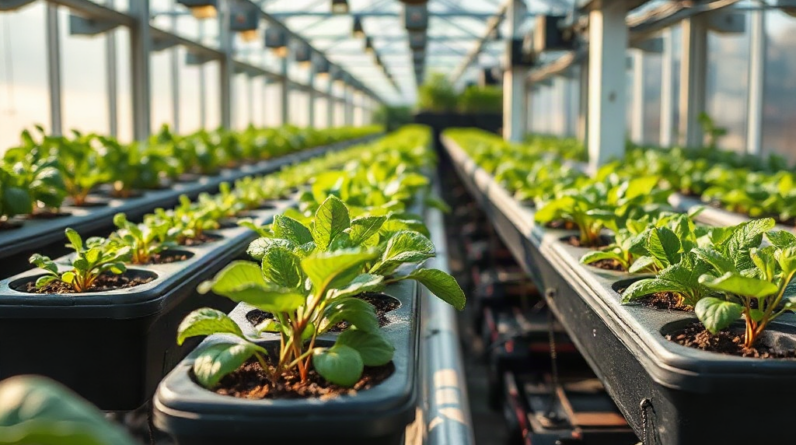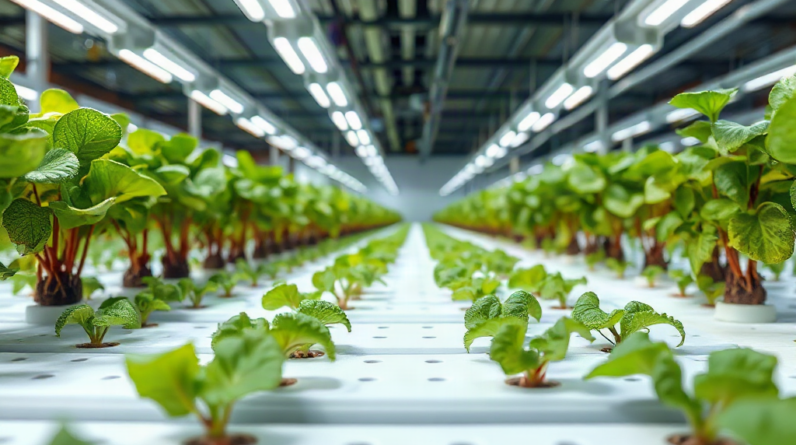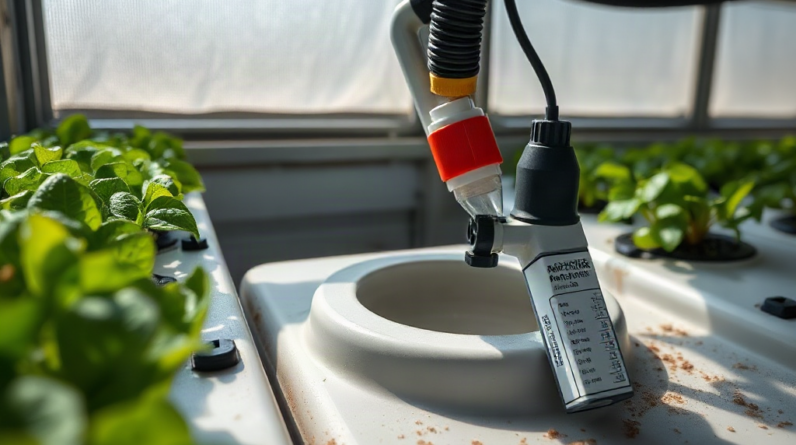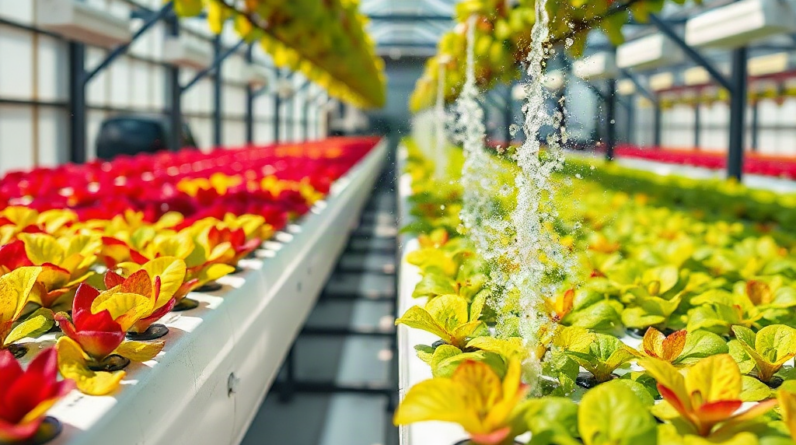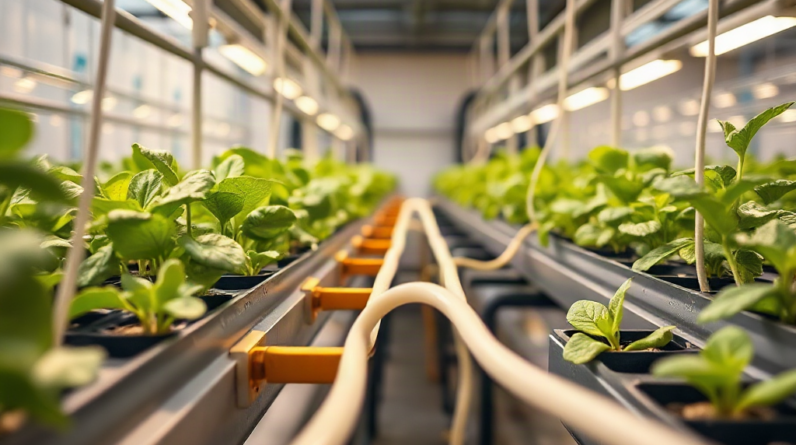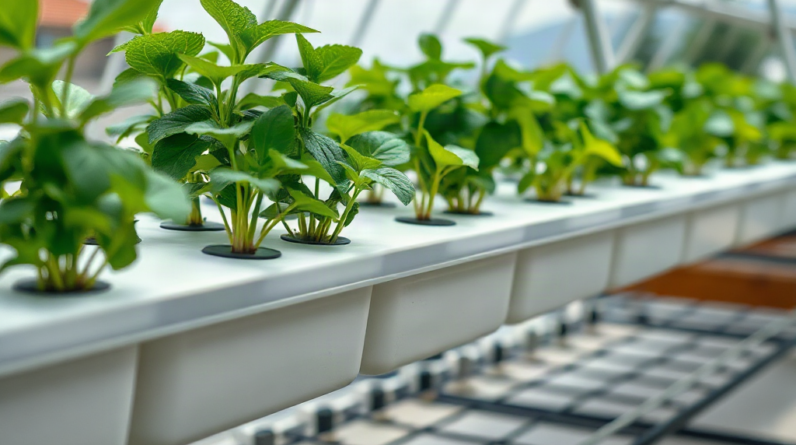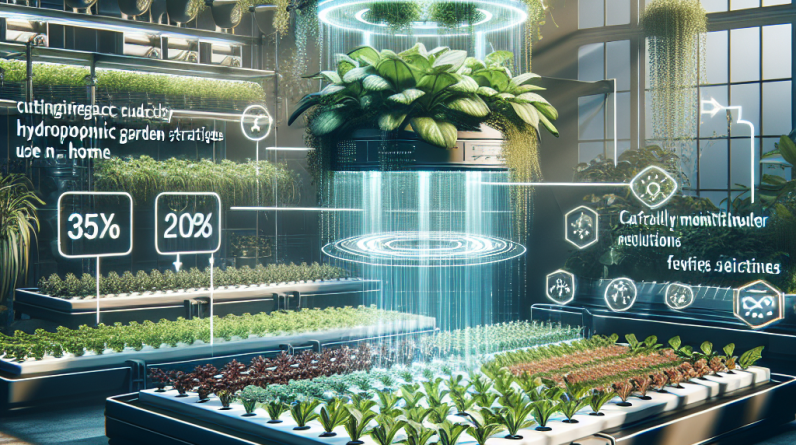
To avoid waterborne diseases in hydroponics, prioritize maintaining high water quality through regular testing and treatment. Implementing filtration systems, such as reverse osmosis or UV sterilization, can significantly reduce pathogen introduction. It's also essential to keep your equipment and growing environment clean; regularly disinfecting tools and reservoirs minimizes contamination risks. Monitoring pH and nutrient levels ensures optimal conditions for plant health, further reducing the likelihood of disease. By taking these proactive measures, you can create a healthier hydroponic system and protect your crops from harmful pathogens.
Understanding Waterborne Diseases
Waterborne diseases in hydroponics are caused by pathogens present in contaminated water, which can lead to significant crop loss and reduced yields. These diseases can manifest in various forms, including bacterial, viral, and fungal infections. Recognizing the types of pathogens that can infiltrate your hydroponic system is essential for implementing effective prevention strategies. Common culprits include Pythium, Phytophthora, and various bacteria like Erwinia.
Understanding the transmission routes of these pathogens is crucial. They can enter the system through contaminated water sources, equipment, or even seeds. Therefore, a proactive approach focusing on prevention rather than treatment is critical in maintaining a healthy hydroponic environment.
Importance of Water Quality
Maintaining high water quality is one of the most effective strategies for preventing waterborne diseases. Regular water testing for pH, electrical conductivity (EC), and residual chlorine levels helps ensure that the nutrient solution remains optimal for plant health while minimizing disease risk. Water quality directly affects nutrient uptake and plant vigor, making it pivotal to monitor these parameters consistently.
Using filtered or purified water significantly reduces the risk of introducing pathogens. Many growers opt for reverse osmosis (RO) systems or UV sterilization methods to cleanse their water supply. These technologies not only eliminate harmful microorganisms but also improve overall nutrient availability, leading to healthier plants.
Best Practices for Sanitation
Sanitation practices in hydroponics extend beyond just water quality; they encompass the entire growing environment. Regularly cleaning and disinfecting equipment, such as pumps, reservoirs, and nutrient delivery systems, is vital for preventing pathogen buildup. A common mistake is neglecting these areas, which can harbor pathogens even if the water is clean.
Implementing a strict sanitation schedule, including the use of food-safe disinfectants, can help maintain a disease-free environment. Additionally, ensuring that all tools and containers used in the hydroponic system are sanitized before use will further reduce the introduction of pathogens. This includes cleaning any surfaces that may come into contact with water or plants.
Monitoring Systems and Tools
Employing monitoring systems is an effective way to catch potential issues before they escalate into full-blown diseases. Automated systems can monitor pH, EC, and temperature, sending alerts when parameters fall outside acceptable ranges. This allows growers to take immediate action to correct any issues that may promote pathogen growth.
Another useful tool is a water treatment system that includes filtration and UV sterilization. Regular maintenance of these systems is crucial to ensure they function correctly and reduce the risk of disease. Additionally, keeping a detailed log of water quality and plant health can help identify trends and potential problems before they become significant issues.
Frequently Asked Questions
What are the common waterborne diseases in hydroponics?
Common waterborne diseases include root rot caused by Pythium and Phytophthora, as well as bacterial infections like Erwinia.
How often should I test my hydroponic water?
Testing should be done at least once a week, or more frequently during critical growth phases, to ensure optimal conditions.
Can I use tap water for my hydroponic system?
Using tap water is possible but may introduce pathogens; it's recommended to filter or treat tap water before use.
What sanitation methods are effective in hydroponics?
Effective methods include regular cleaning with food-safe disinfectants and sanitizing all tools and surfaces that come into contact with plants.
What should I do if I notice signs of disease in my plants?
Isolate the affected plants, check water quality, and improve sanitation practices immediately to prevent spread.
Further Reading
Authoritative Sources
- USDA: Hydroponics and Water Quality
usda.govThis resource provides insights on maintaining water quality in hydroponics, emphasizing the importance of disease prevention
- NCBI: Pathogen Management in Hydroponics
ncbi.nlm.nih.govA comprehensive study on the types of pathogens affecting hydroponic systems and methods for management
- Extension: Hydroponic Systems
extension.orgOffers practical advice on hydroponic gardening techniques, including sanitation practices and water management
Conclusion
To effectively avoid waterborne diseases in hydroponics, focus on maintaining high water quality, implementing rigorous sanitation practices, and utilizing monitoring systems. By understanding the risks and taking proactive measures, you can create a healthy environment for your plants, leading to better yields and healthier crops. Prioritize regular testing, cleaning, and monitoring to stay ahead of potential issues.