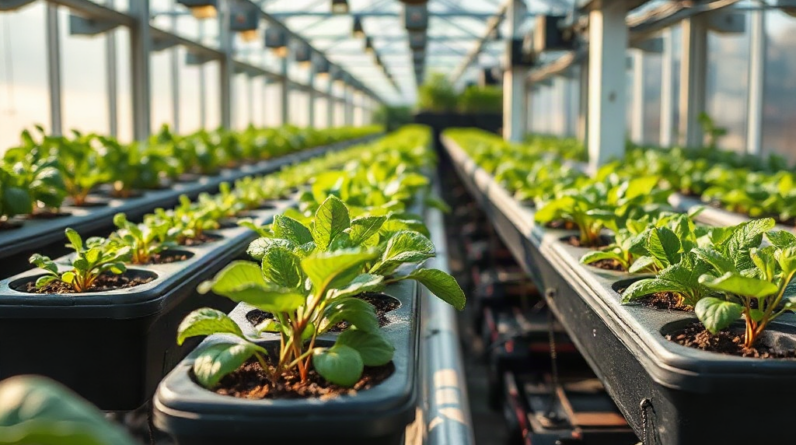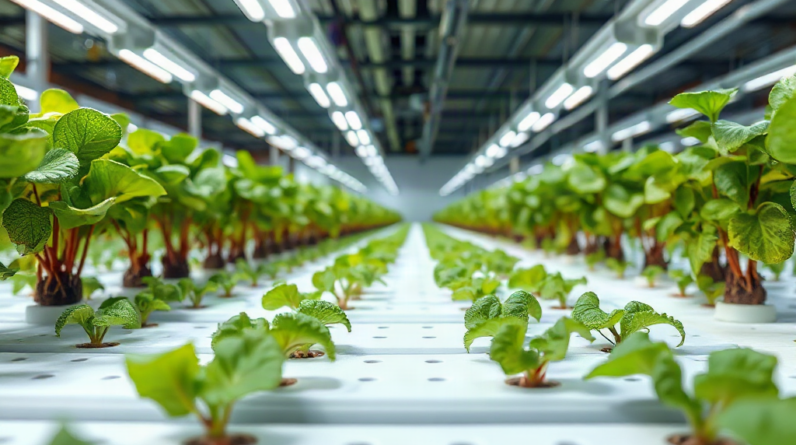
Understanding how to synchronize these two factors can significantly impact the health and productivity of your hydroponic system.
Blue light promotes vegetative growth, while red light is crucial during flowering. Understanding these needs helps you select appropriate grow lights and adjust their intensity based on the plant's growth stage.
Understanding Light Requirements
Plants require specific light wavelengths for photosynthesis, typically in the blue and red spectrums. Blue light promotes vegetative growth, while red light is crucial during flowering. Understanding these needs helps you select appropriate grow lights and adjust their intensity based on the plant’s growth stage.
It’s essential to provide an adequate light duration, generally 12-16 hours per day for most crops. Insufficient light can lead to elongated stems and poor leaf development, while excessive light can cause leaf burn. Regularly assess the light intensity and adjust the distance of the light source from the plants to maintain optimal conditions.
Nutrient Needs at Different Growth Stages
Nutrient requirements change throughout the growth cycle of hydroponic plants. Seedlings need a balanced nutrient solution with lower concentrations, while mature plants often require higher levels of potassium and phosphorus to support flowering and fruiting.
Regularly testing your nutrient solution helps ensure that plants receive the right balance of macronutrients (like nitrogen, phosphorus, and potassium) and micronutrients (like iron, magnesium, and calcium). Adjusting the nutrient mix according to growth stages can prevent deficiencies and promote healthy development.
Monitoring and Adjusting Light and Nutrients
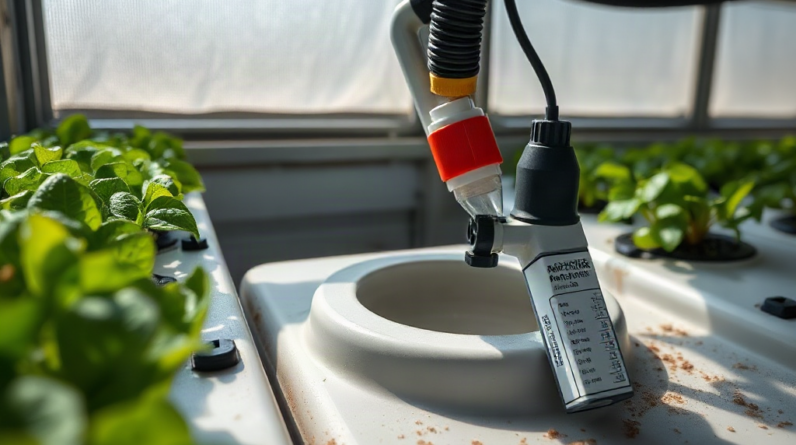
Consistent monitoring of both light levels and nutrient concentrations is vital in hydroponic gardening. Use tools like a PAR meter to measure light intensity and a TDS meter to gauge nutrient levels in your solution. Keeping a journal of adjustments and plant responses can help you fine-tune your approach.
When you notice signs of nutrient deficiency or excess, such as leaf discoloration or stunted growth, it’s essential to act quickly. Adjusting the nutrient solution concentration or altering the light schedule can remedy these issues. Understanding the signs of nutrient imbalance allows for timely interventions that can save a crop.
Common Mistakes to Avoid
One common mistake in hydroponics is using the same nutrient solution throughout all growth stages, which often leads to nutrient deficiencies or toxicities. Additionally, many growers underestimate the importance of light duration and intensity, leading to inadequate growth.
Another pitfall is failing to regularly test and adjust both light and nutrient levels. Not all plants react the same way to light and nutrient changes, so it’s crucial to observe and adapt based on specific plant needs. Keeping a close eye on plant health and adjusting accordingly can prevent many common issues in hydroponic systems.
Further Reading
Authoritative Sources
- USDA National Institute of Food and Agriculture
nifa.usda.govResearch and extension resources related to agriculture, plants, soil, and food systems
- Extension Foundation Gardening Resources
extension.orgUniversity extension education resources for practical gardening and home agriculture topics
- USDA Natural Resources Conservation Service
nrcs.usda.govSoil, water, conservation, and land management resources for practical growing decisions
Conclusion
Balancing light and nutrients in hydroponics is essential for achieving healthy, productive plants. By understanding the specific light requirements and nutrient needs at various growth stages, you can create an optimal growing environment. Regular monitoring and adjustments based on plant responses will help you avoid common pitfalls and ensure your hydroponic garden thrives. Focus on maintaining this balance to maximize your yields and enhance the overall health of your plants.