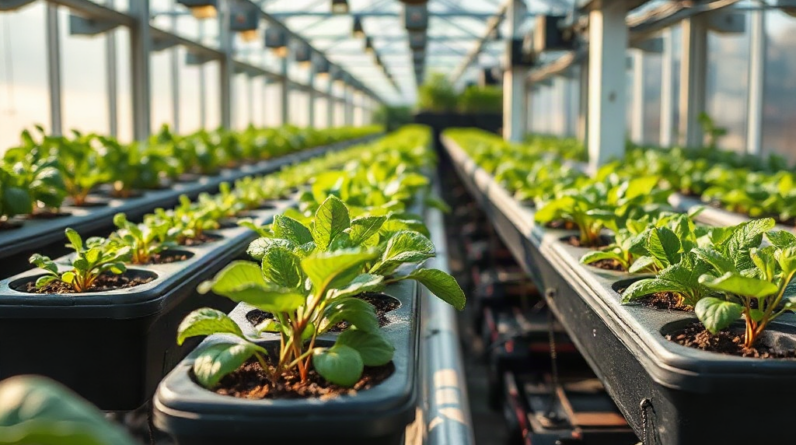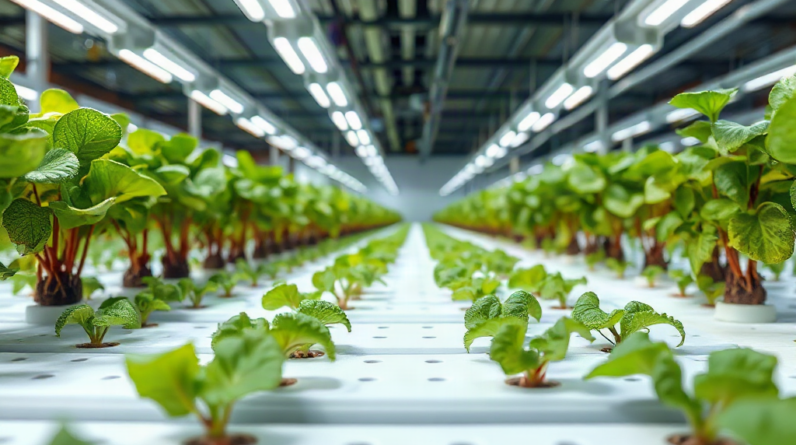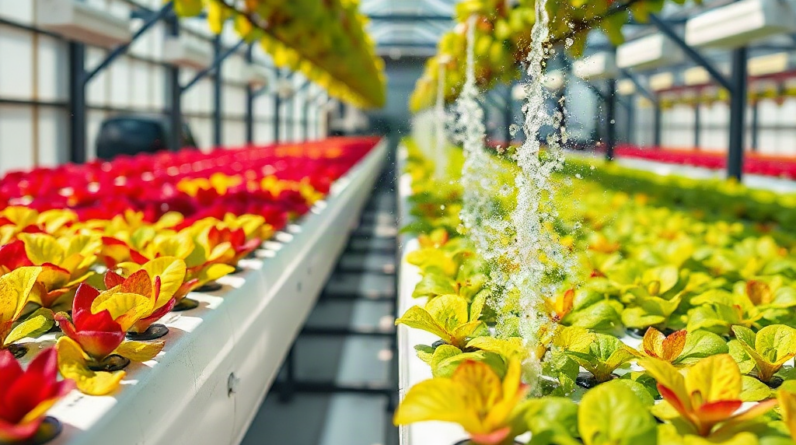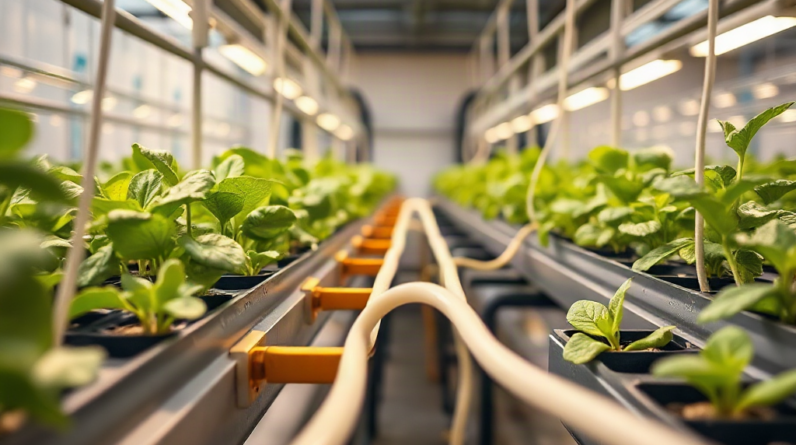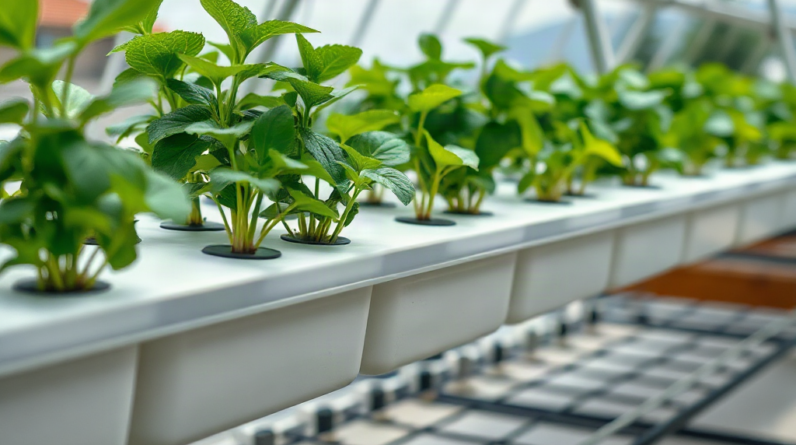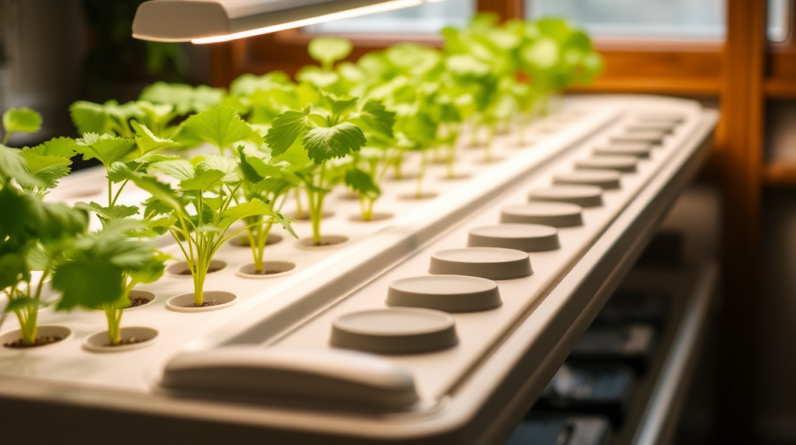
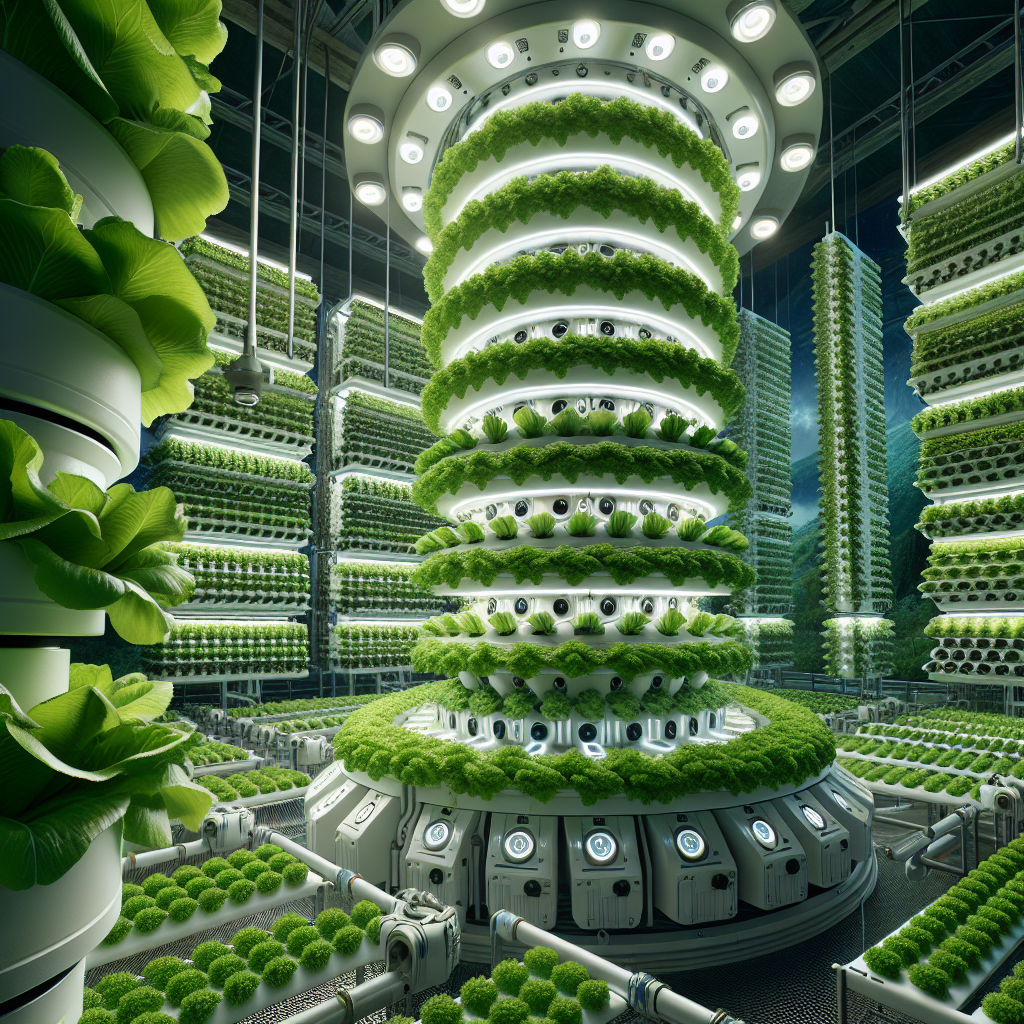
Setting up a hydroponic system indoors requires careful planning and the right equipment to ensure your plants thrive. Start by choosing a hydroponic method that suits your space and needs, such as deep water culture or nutrient film technique. Each system has unique requirements, including specific light, water, and nutrient needs.
Next, focus on selecting the right growing medium, which can include rock wool, clay pellets, or coconut coir. It’s essential to maintain a balanced nutrient solution and monitor the pH levels to optimize plant health. Additionally, ensure your indoor setup has sufficient lighting, ideally full-spectrum LED lights, to mimic natural sunlight.
Choosing the Right Hydroponic System
Determining the best hydroponic system is crucial for successful indoor gardening. Options like aeroponics, drip systems, and wick systems each have distinct advantages. For instance, deep water culture provides plants with direct access to nutrients and oxygen, promoting faster growth.
Consider your available space and the types of plants you wish to cultivate. For beginners, a simple drip system or a wick system may be more manageable. Proper selection can significantly impact yields and ease of maintenance, so research each method thoroughly before deciding.
Essential Equipment for Indoor Hydroponics
Key equipment for setting up your indoor hydroponic system includes a reservoir for the nutrient solution, a pump for water circulation, and a growing medium. Additionally, invest in quality grow lights to provide adequate light for your plants.
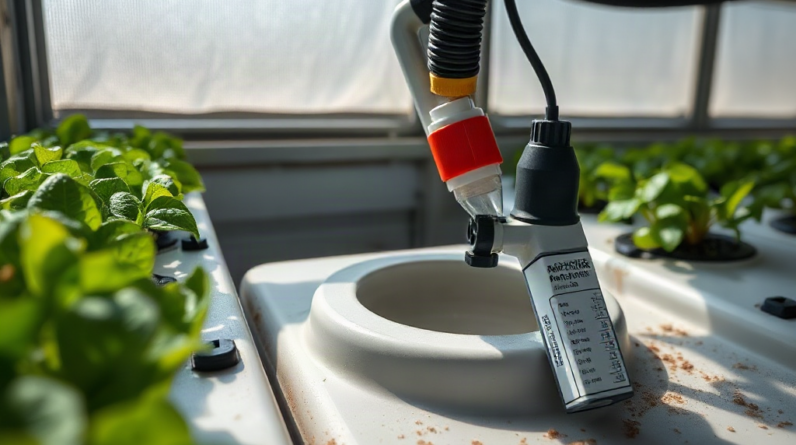
Other important tools include a pH meter, nutrient test kits, and timers for light and watering schedules. Ensuring you have all necessary equipment will simplify the setup process and help maintain optimal conditions for plant growth.
Maintaining Optimal Conditions
Maintaining optimal conditions in your indoor hydroponic system is vital for plant health. Regularly check and adjust the pH level of your nutrient solution, ideally keeping it between 5.5 and 6.5. Temperature control is also essential; most plants thrive in temperatures between 65°F and 75°F.
Ensure adequate air circulation to prevent mold and pests. You can achieve this with small fans or ventilation systems. By monitoring these conditions, you can create an environment conducive to healthy growth.
Common Mistakes to Avoid
Many beginners make mistakes that can hinder plant growth in hydroponics. Overwatering is a common issue that can lead to root rot; ensure your system drains properly to avoid this. Additionally, neglecting to monitor nutrient levels can result in deficiencies or toxicities.
Another mistake is inadequate lighting; without sufficient light, plants may become leggy and weak. Regularly evaluate your setup to identify and correct these issues before they impact your plants significantly.
Further Reading
Authoritative Sources
- USDA National Institute of Food and Agriculture
nifa.usda.govResearch and extension resources related to agriculture, plants, soil, and food systems
- Extension Foundation Gardening Resources
extension.orgUniversity extension education resources for practical gardening and home agriculture topics
- USDA Natural Resources Conservation Service
nrcs.usda.govSoil, water, conservation, and land management resources for practical growing decisions
Frequently Asked Questions
What is the easiest hydroponic system to set up indoors?
The wick system is often considered the easiest for beginners due to its simplicity and low maintenance.
How often should I change the nutrient solution?
Change the nutrient solution every two to three weeks to ensure your plants receive the necessary nutrients.
Can I use regular soil in a hydroponic system?
No, traditional soil can introduce pathogens and does not allow for proper drainage; use a soilless medium instead.
What plants are best suited for hydroponics?
Leafy greens like lettuce and herbs such as basil thrive well in hydroponic systems.
Is hydroponic gardening expensive to start?
Initial costs can vary but are often lower than traditional gardening once setup is complete, especially when considering space and resource savings.
Conclusion
Setting up a hydroponic system indoors can be a rewarding endeavor, providing fresh produce year-round. Prioritize selecting the right system, maintaining optimal conditions, and avoiding common pitfalls to ensure success. Regular monitoring and adjustments will help you cultivate a thriving indoor garden. Take the first step today and enjoy the benefits of hydroponic gardening!