
Understanding Temperature Ranges for Hydroponics
Optimal temperature ranges for hydroponic systems generally fall between 65°F and 75°F (18°C to 24°C) for most plants. These temperatures promote healthy root growth and nutrient absorption. Temperatures below or above this range can lead to physiological stresses in plants, such as slowed growth or nutrient lockout, which can severely affect overall productivity.
When temperatures drop below 60°F (15°C), plant metabolism slows, potentially halting growth. Conversely, temperatures exceeding 80°F (27°C) can lead to heat stress, causing plants to transpire excessively, which can deplete them of water and nutrients. Therefore, maintaining a consistent temperature is vital for the health of hydroponic crops.
Techniques for Stabilizing Temperature
To stabilize temperature in hydroponics, a combination of insulation, climate control systems, and proper ventilation is recommended. Insulation helps minimize heat loss or gain, especially in fluctuating external conditions. Using insulated grow tents or reflective materials can help maintain a consistent internal environment.
Automated climate control systems, including thermostats and fans, can adjust temperature based on real-time conditions. These systems can help maintain the optimal temperature range by actively heating or cooling the environment as needed. Additionally, ensuring adequate airflow through ventilation systems can help disperse heat and maintain uniform temperatures throughout the growing area.
Common Mistakes to Avoid
One common mistake is neglecting to monitor temperature fluctuations regularly. Many growers assume that their systems maintain a stable environment without verification, which can lead to severe plant stress. Regularly checking and adjusting temperature settings is crucial for long-term success.
Another mistake is relying solely on passive methods, such as opening windows or using fans without a comprehensive plan. While these methods can help, they may not provide the level of control needed to manage significant temperature swings effectively. A proactive approach with automated systems is often more reliable.
Monitoring and Adjusting Temperature
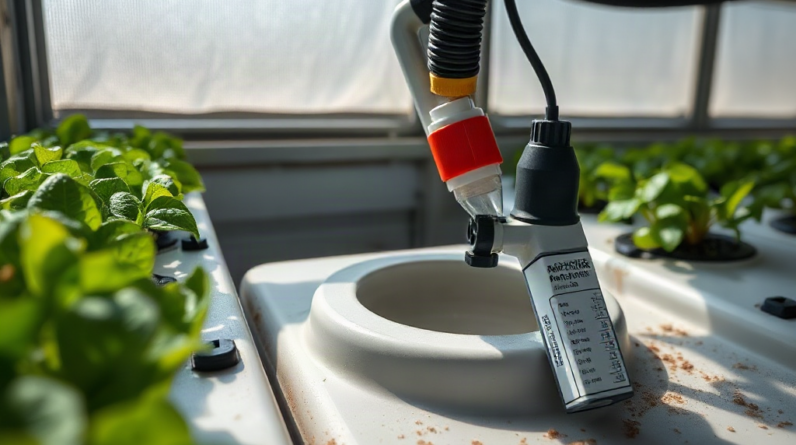
Investing in quality thermometers and environmental monitoring systems is essential for tracking temperature changes in real-time. Some systems offer alerts for temperature deviations, allowing growers to take immediate action. Regularly calibrating these devices ensures accurate readings.
Adjusting temperature settings based on the time of year and weather conditions is also necessary. During colder months, additional heating may be required, while cooling systems may be necessary during hot summer days. Adapting to seasonal changes can help maintain a stable hydroponic environment.
Further Reading
Authoritative Sources
- USDA National Institute of Food and Agriculture
nifa.usda.govResearch and extension resources related to agriculture, plants, soil, and food systems
- Extension Foundation Gardening Resources
extension.orgUniversity extension education resources for practical gardening and home agriculture topics
- USDA Natural Resources Conservation Service
nrcs.usda.govSoil, water, conservation, and land management resources for practical growing decisions
Frequently Asked Questions
What are the ideal temperature ranges for hydroponic systems?
The ideal temperature range for most hydroponic plants is between 65°F and 75°F (18°C to 24°C) to promote healthy growth and nutrient absorption.
How can I stabilize temperature in my hydroponic system?
Stabilizing temperature can be achieved through insulation, automated climate control systems, and proper ventilation to maintain optimal conditions.
What common mistakes should I avoid regarding temperature control?
Common mistakes include neglecting regular temperature monitoring and relying solely on passive methods without implementing automated controls.
How often should I check the temperature in my hydroponic setup?
It’s recommended to check the temperature daily, especially during extreme weather conditions, to ensure plants remain in their optimal temperature range.
Can temperature fluctuations affect nutrient uptake?
Yes, significant temperature fluctuations can impede nutrient uptake, leading to deficiencies and negatively impacting plant health and growth.
Conclusion
Effectively managing temperature fluctuations in hydroponics is essential for ensuring robust plant growth and maximizing yield. By understanding the ideal temperature ranges, employing effective stabilization techniques, and avoiding common mistakes, growers can create an optimal environment for their plants. Regular monitoring and adjustments based on real-time data will further enhance plant health and productivity, making temperature control a critical aspect of successful hydroponic gardening.