Slow growth in hydroponic plants often stems from several controllable factors, including inadequate light, nutrient imbalances, and suboptimal pH levels. Addressing these elements promptly can significantly improve plant health and growth rates. Start by evaluating your current setup and making necessary adjustments to ensure your plants thrive in a hydroponic environment.
Environmental conditions play a crucial role in plant development. Insufficient light can hinder photosynthesis, slowing growth. Ensure your plants receive adequate light intensity and duration, ideally between 12-16 hours per day, depending on the plant species. Additionally, nutrient levels should be balanced; too much or too little can lead to deficiencies or toxicities affecting growth. Regularly check your nutrient solution and adjust accordingly.
Identifying Signs of Slow Growth
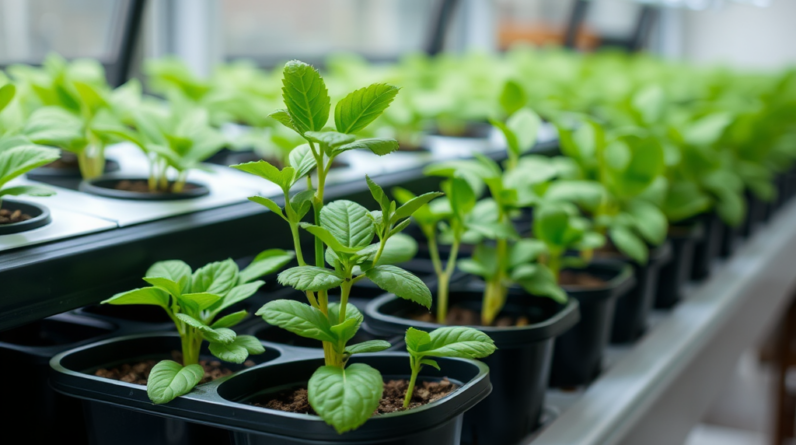
Recognizing the symptoms of slow growth in hydroponic plants is the first step toward resolution. Signs may include stunted growth, yellowing leaves, or overall wilting. These indicators can point to underlying issues that need to be addressed. Regular monitoring of plant health can help identify these problems early.
To effectively monitor growth, maintain a growth log to track changes in plant size, leaf color, and overall health. This log can help you identify patterns and correlations with environmental changes, enabling you to make informed adjustments.
Common Causes of Slow Growth
Several factors can contribute to slow growth rates in hydroponic systems. Key among them are inadequate light, nutrient deficiencies, poor water quality, and incorrect temperature settings. Each element impacts plant metabolism and growth differently, making it crucial to assess them regularly.
For instance, low light levels can reduce photosynthesis rates, while nutrient deficiencies can lead to stunted growth and poor plant health. Additionally, water quality, including the presence of contaminants, can negatively affect root development and nutrient uptake.
Adjusting Light Conditions
Light is vital for photosynthesis and overall plant health. If your plants are showing slow growth, start by examining their light exposure. Ensure that your grow lights provide the appropriate spectrum and intensity for the specific plants you are growing.
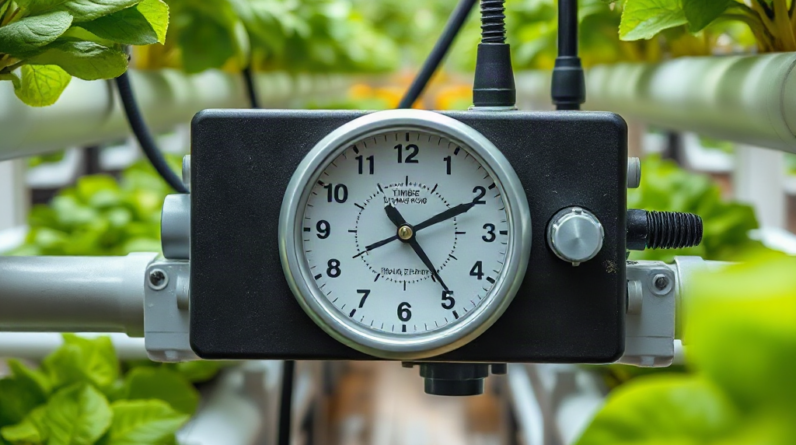
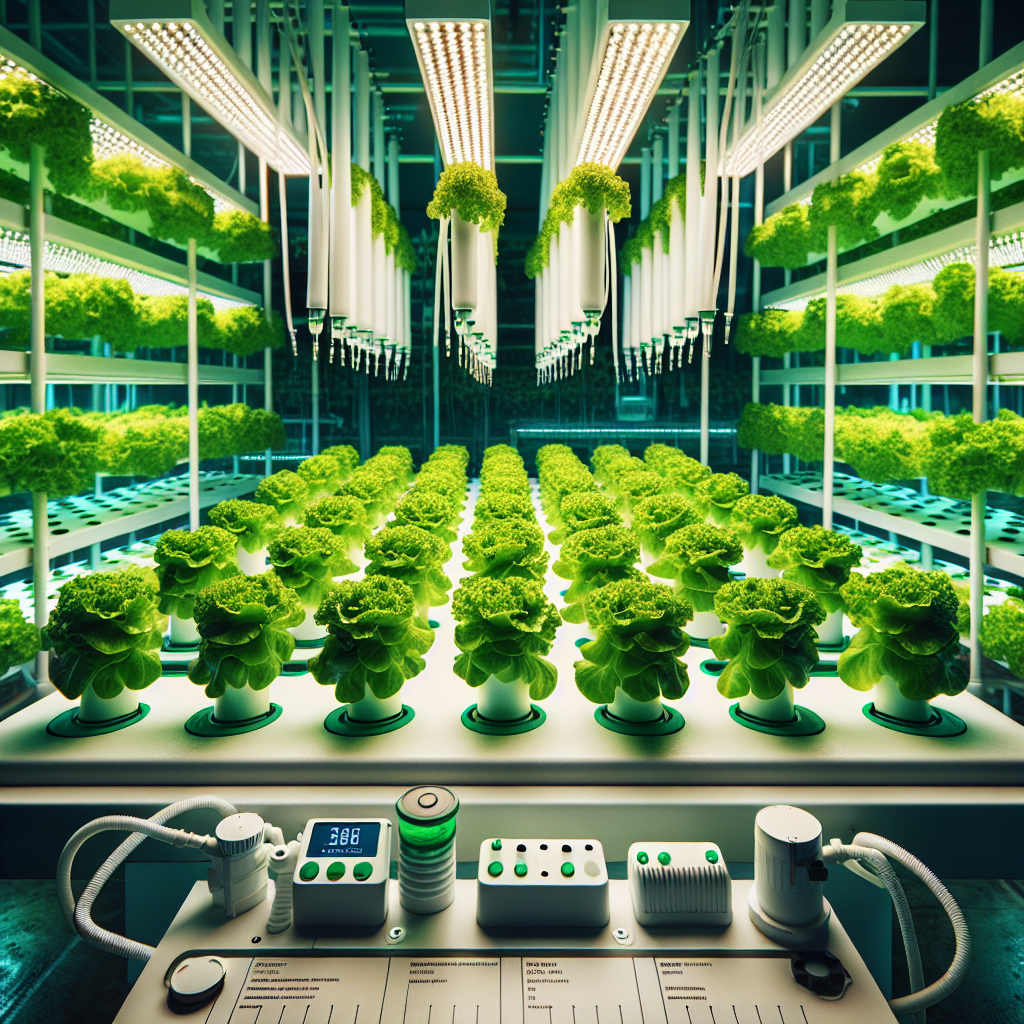
Consider using full-spectrum LED grow lights, which can effectively mimic natural sunlight. Adjust the height of the lights as the plants grow, and ensure they are on a timer to provide consistent light exposure. Regularly check for any obstructions that might block light from reaching the plants.
Optimizing Nutrient Solutions
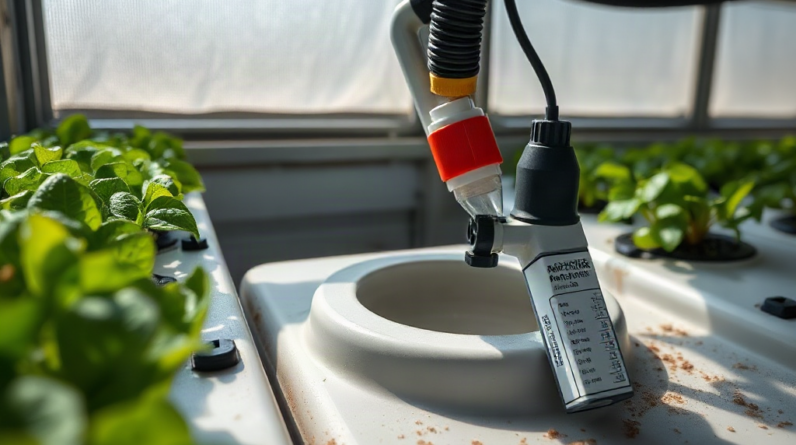
Nutrient balance is critical for healthy plant growth. Hydroponic solutions should contain the right mix of macronutrients and micronutrients. If plants are growing slowly, test the nutrient solution for deficiencies or excesses.
Utilize a TDS (Total Dissolved Solids) meter to measure nutrient levels and adjust them based on the specific needs of your plants. Regularly replacing the nutrient solution can also help prevent imbalances and ensure that plants receive fresh, balanced nutrients.
Maintaining Proper pH Levels
The pH level of your hydroponic system can significantly influence nutrient availability. Most plants thrive in a pH range of 5.5 to 6.5. If the pH is too high or too low, it can lead to nutrient lockout, where plants cannot absorb essential nutrients.
Regularly test the pH of your nutrient solution and adjust it using pH up or down solutions as necessary. Maintaining stable pH levels is essential for optimal growth and nutrient uptake.
Further Reading
Authoritative Sources
- USDA National Institute of Food and Agriculture
nifa.usda.govResearch and extension resources related to agriculture, plants, soil, and food systems
- Extension Foundation Gardening Resources
extension.orgUniversity extension education resources for practical gardening and home agriculture topics
- USDA Natural Resources Conservation Service
nrcs.usda.govSoil, water, conservation, and land management resources for practical growing decisions
Frequently Asked Questions
What are the first signs of slow growth in hydroponic plants?
Common signs include stunted growth, yellowing leaves, and wilting. Monitoring these symptoms can help identify underlying issues early.
How can I tell if my plants are getting enough light?
If plants are stretching towards the light or have pale leaves, they may not be receiving enough light. Adjust the light source or increase the intensity if needed.
What pH level is ideal for hydroponic systems?
The ideal pH range for most hydroponic plants is between 5.5 and 6.5, which allows for optimal nutrient absorption.
How often should I change the nutrient solution?
It is recommended to change the nutrient solution every 1-2 weeks to maintain balance and prevent nutrient buildup.
Can temperature affect plant growth in hydroponics?
Yes, extreme temperatures can stress plants and slow growth. Aim to maintain a consistent temperature appropriate for the specific plants being grown.
Conclusion
Addressing slow growth in hydroponic plants requires a systematic approach to evaluate and adjust light, nutrient levels, and pH. By monitoring these critical factors, gardeners can create optimal growing conditions that support healthy, vigorous plant development. Regular assessments and timely adjustments can prevent growth issues and ensure a thriving hydroponic garden.
Related Content
- Hydroponic Garden Tower: Innovative Solutions for Space-Saving Urban Gardening
- How to Grow Hydroponically: 7 Effective Strategies for 2025 Success
- Issues With Root Development in Hydroponic Systems: Common Causes and Solutions
- Issues With Hydroponic Crop Spacing—Causes, Symptoms, and Correction Methods
- 10 Effective Hydroponic Lettuce Growing Tips for 2025: The Ultimate Guide