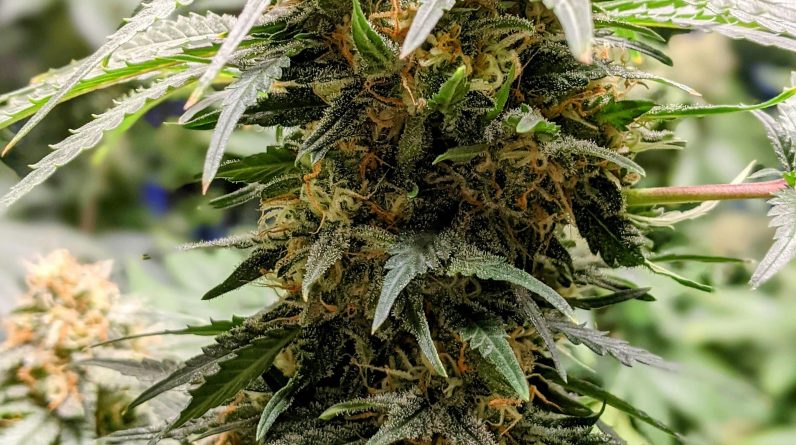
Balance light cycles for fruiting plants by matching the dark period to the crop’s flowering response, using a consistent timer, and checking light intensity and temperature at canopy level. Photoperiod-sensitive plants generally need an uninterrupted longer night to maintain flowering, while day-neutral plants can fruit without a strict light trigger but still need a stable daily rhythm. Set the schedule gradually, protect the dark period from stray light, and verify that the fixture does not overheat the canopy. Sudden schedule changes, timer drift, and weak light often cause uneven flowering, stretching, delayed fruit set, or stress. Use plant response, room temperature, and growth stage—not the clock alone—to refine the cycle.
Match the Light Cycle to the Plant’s Flowering Response
Light-cycle decisions begin with the plant’s biology, not with a universal timer setting. Photoperiod-sensitive crops use the length of the uninterrupted night as a flowering signal, whereas day-neutral crops can produce flowers and fruit without requiring a particular long-night trigger. Many hydroponic fruiting plants, including tomatoes and peppers, are treated as day-neutral or relatively flexible, while some ornamental flowering crops respond much more strongly to night length.
The practical distinction matters because extending the light period may give a flexible fruiting crop more opportunity for photosynthesis, but it will not necessarily compensate for weak light, excessive heat, or poor pollination. A plant that requires a longer night may remain vegetative or flower inconsistently if the dark period is repeatedly interrupted. Before changing the timer, identify whether the crop is photoperiod-sensitive, day-neutral, or responsive to a broader combination of age, temperature, and light intensity.
For a fruiting crop already flowering, consistency usually matters more than chasing the longest possible day. A stable schedule allows leaves, roots, and flowers to follow a repeatable pattern of carbon fixation and respiration. A common mistake is to add several hours of light after noticing slow growth, then remove those hours when the room warms. That irregular pattern can create more stress than a slightly less ambitious but dependable cycle.
Use the plant’s current stage to set expectations. Seedlings may need a different schedule from mature plants, and a crop transitioning from vegetative growth may respond poorly to an abrupt change. When a change is necessary, shift the on or off time in small increments rather than creating an unusually long day or night. Record the date, schedule, canopy temperature, and visible response so the result can be separated from changes in nutrients, pruning, airflow, or pollination.
For related planning, the article how to balance light cycles for fruiting plants should be considered alongside crop-specific guidance rather than used as a substitute for it.
Set Light Intensity, Distance, and Room Temperature Together
A light schedule cannot be evaluated independently from the amount of light reaching the leaves. The daily total received by the crop depends on both intensity and duration. A long day under a dim fixture may provide less usable light than a shorter day under an appropriately positioned fixture, while a powerful fixture placed too close can bleach leaves, curl leaf edges, or raise flower-zone temperatures.
Measure conditions at canopy height whenever possible. Manufacturer distance charts are useful starting points, but the actual result changes with reflective surfaces, fixture age, plant height, and the shape of the growing area. A lux meter can help compare uniformity, although it does not directly measure plant-usable light. A horticultural light meter that reports PPFD is more informative for comparing intensity across the canopy. Avoid treating any single reading as a guarantee of fruit production; cultivar, carbon dioxide availability, temperature, root health, and pollination still affect the outcome.
Temperature is the main tradeoff when extending the day. Lights add heat even when the room’s air temperature appears acceptable, and flowers may be affected by a hot, dry canopy or poor airflow. For example, moving from a moderate schedule to a longer one can leave a grow tent comfortable during the first few hours but increasingly warm near the fixture by late afternoon. Improving extraction, raising the fixture, dimming it, or shortening the illuminated period may be more sensible than forcing the original plan.
Look for balanced signs rather than a single dramatic symptom. Healthy leaves generally hold their shape, new growth remains proportionate, and flowers do not repeatedly abort under stable conditions. Bleaching on upper leaves suggests excessive intensity or heat; elongated stems and wide gaps between leaves suggest inadequate intensity or poor distribution. If only one side of the canopy struggles, improve coverage before changing the entire cycle.
- Too much intensity or heat: raise the fixture, reduce output, improve airflow, or shorten the day.
- Too little usable light: improve coverage and fixture position before simply adding hours.
- Uneven canopy exposure: train or space plants so fruiting sites receive more comparable conditions.
These adjustments complement broader how to balance light cycles for fruiting plants decisions because a timer change cannot correct an uneven light map.
Build a Stable Daily Schedule Without Dark-Period Leaks
Use a reliable timer and define the schedule around the room’s heat and access patterns. Many indoor growers place the light period during the cooler part of the day so ventilation has more capacity during illumination. Others choose a daytime cycle for easier inspection. Either approach can work if the schedule is repeatable and the room can maintain suitable temperature and humidity while the fixture operates.
Photoperiod-sensitive plants need a genuinely dark period, not merely a room that looks dim to a person. Light leaking through a tent zipper, indicator lamp, window, or open doorway may be small compared with the main fixture, but repeated exposure can interfere with the intended night signal in sensitive crops. Seal obvious leaks, cover bright equipment indicators without blocking ventilation, and inspect the enclosure after the lights switch off.
A schedule such as 16 hours on and 8 hours off may suit a flexible fruiting crop in a well-managed room, but the number itself is not a universal prescription. A shorter day can reduce heat load and electricity use; a longer day can raise daily light delivery when intensity is moderate and environmental conditions remain controlled. The better choice is the longest practical cycle that the plant and room can tolerate without heat stress, drying, or unstable humidity.
Change one variable at a time. If the schedule, nutrient strength, pruning, and airflow all change on the same day, the plant’s response becomes difficult to interpret. Keep a written log showing light on and off times, dimmer settings, canopy temperature, irrigation observations, and flowering changes. Check the timer after power interruptions and replace unreliable mechanical units before they create irregular nights.
For a small hydroponic garden, a simple priority order is useful: protect the uninterrupted dark period where the crop requires it, prevent canopy overheating, maintain even coverage, and only then experiment with additional hours. This hierarchy avoids a common failure mode—using a longer day to mask a fixture-position problem or a ventilation problem.
Read Plant Signals and Adjust the Schedule Safely
Plant observation should determine whether a light-cycle change is helping. During flowering, monitor new leaves, flower retention, internode length, fruit set, and the position of the upper canopy relative to the fixture. Also inspect the root-zone environment, because wilt, poor growth, or flower loss can arise from oxygen, pH, irrigation, or nutrient problems rather than from the timer.
A useful adjustment process starts with a baseline period under a stable schedule. Photograph the canopy from the same angle, note the first open flowers and developing fruit, and record temperature at the top and middle of the plants. If the crop is stretching, first ask whether intensity is low or coverage is uneven. If leaf margins curl after the lights have been on for several hours, check heat and vapor demand before extending the photoperiod.
Suppose a pepper plant has flowers but few developing fruits. More light hours may not solve the problem if airflow is stagnant and flowers are not releasing pollen effectively, or if the canopy is too hot. Gentle air movement, appropriate pollination practices for the crop, and stable root conditions may matter more than moving from a 14-hour to a 16-hour day. This comparison illustrates why fruiting results should not be attributed to the timer alone.
Make modest changes and allow enough time to observe new growth. Existing leaves may show damage from an earlier excess even after the fixture is corrected, so judge success by fresh growth and subsequent flower behavior. A schedule is working when the canopy remains structurally sound, temperatures stay within the crop’s tolerable range, flowering proceeds without repeated stress symptoms, and fruit development is not accompanied by escalating leaf damage.
Stop or reverse an experiment if the plant shows widespread bleaching, persistent wilting during illumination, severe leaf-edge burn, or a room that cannot hold stable environmental conditions. The next step may be dimming or raising the light rather than shortening the cycle, depending on whether intensity or total daily exposure is the main problem. A measured adjustment is safer than reacting to every day-to-day change.
Common Light-Cycle Mistakes in Fruiting Gardens
The most damaging mistakes usually involve inconsistency or misplaced priorities. Growers may assume that more hours always mean more fruit, but additional illumination has diminishing practical value when leaves are already receiving adequate intensity or when heat and water demand rise beyond the room’s capacity. A longer day also increases the period during which transpiration and irrigation conditions must remain stable.
Another error is confusing flowering initiation with fruit filling. A crop may need a particular night length to begin flowering, yet fruit development later depends on light reaching productive leaves, adequate pollination, mineral availability, and appropriate temperature. Changing the night period after flowers appear may not address the limiting factor. Treat the crop’s stage and symptom pattern as separate clues.
Frequent timer changes create a poor comparison. If the light schedule changes every few days, plants may show responses that reflect shifting heat, water use, or circadian disruption rather than a clear benefit. Use a stable baseline, make one adjustment, and write down what changed. Manual switching is especially risky because an accidental early start can shorten the night or create an unusually long day.
Finally, do not overlook the room itself. A schedule that works in winter may push the canopy beyond its comfortable range during warmer weather. Reflective walls can increase exposure near the center while leaving edges dim, and tall plants can grow into a more intense zone even though the timer has not changed. Seasonal ventilation, fixture height, dimming, and canopy management may deserve attention before the cycle is altered.
Readers comparing schedules can use how to balance light cycles for fruiting plants as a decision reference, then adapt the result to crop type, fixture output, room temperature, and the plant’s visible response.
Frequently Asked Questions
Do fruiting plants need 12 hours of darkness?
Not all fruiting plants do. Photoperiod-sensitive crops may require a longer uninterrupted night, while tomatoes, peppers, and other flexible crops can fruit under several workable schedules.
Is a longer light period always better for fruit production?
No. Extra hours may increase daily light delivery, but heat, water demand, uneven coverage, or excessive intensity can offset that potential benefit.
Should the light cycle change when flowers appear?
Usually, avoid changing it without a specific reason. Flowering and fruit filling have different limiting factors, so inspect light intensity, temperature, pollination, and root conditions first.
How can I tell whether the fixture is too close?
Bleached upper leaves, curled margins, or persistent wilting during the illuminated period can indicate excessive intensity or heat. Compare canopy readings and raise or dim the fixture cautiously.
Can a small light leak disrupt fruiting?
It may disrupt flowering in photoperiod-sensitive plants, especially when the leak repeatedly reaches the canopy during the intended night. Check tent seams, windows, equipment indicators, and open doors.
Further Reading
Authoritative Sources
- Lighting Indoor Plants
extension.umn.eduExplains how light duration, intensity, distance, and plant response interact in indoor growing
- Growing Plants Under Lights
extension.oregonstate.eduProvides practical considerations for positioning fixtures and managing indoor plant lighting
Conclusion
A productive fruiting schedule is a controlled compromise between plant biology, daily light delivery, heat, and room reliability. Identify whether the crop uses night length as a flowering signal, then choose a repeatable on/off pattern that the canopy can tolerate. Protect the dark period for sensitive plants, measure conditions at leaf height, and avoid using extra hours to compensate for weak coverage or poor fixture placement.
Keep a baseline log and change one factor at a time. When flowers or fruit decline, inspect temperature, airflow, pollination, irrigation, and root-zone conditions before blaming the timer. A cycle is earning its place when new growth remains healthy, flowering continues steadily, and the room stays stable through the entire illuminated period. Adjust gradually, record the result, and prioritize consistency over an aggressive schedule.