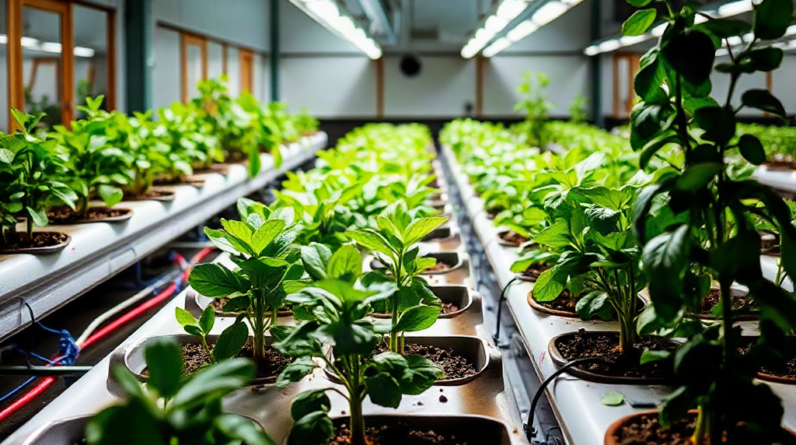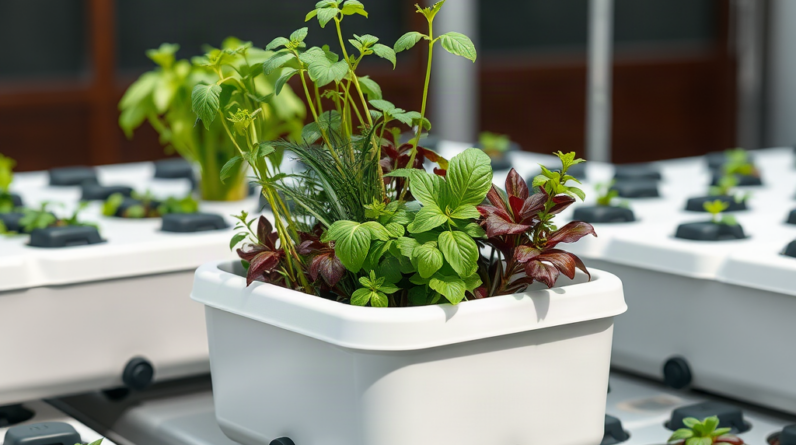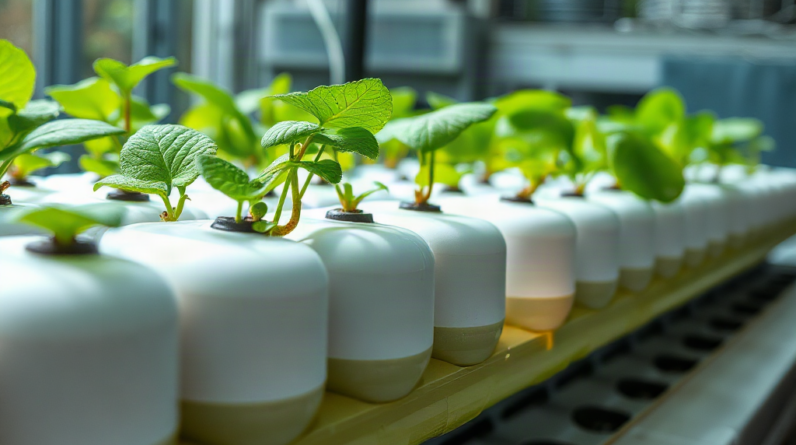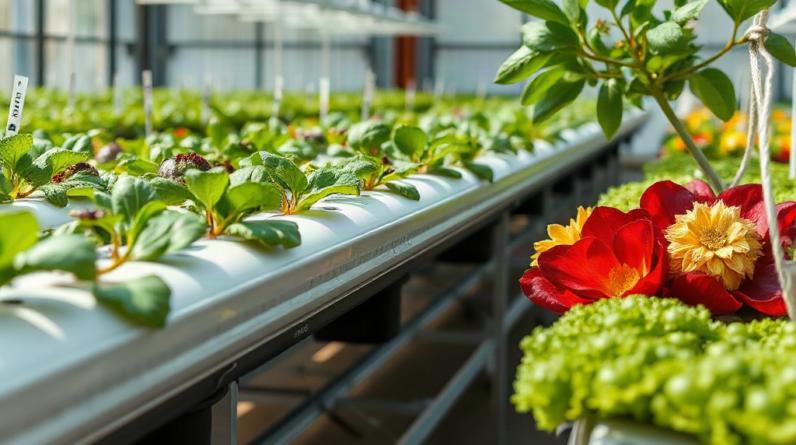
Scaling a home hydroponic garden safely means expanding plant sites, water volume, lighting, and electrical equipment in stages while preserving stable pH, nutrient strength, airflow, sanitation, and leak protection. Add one system section at a time, size pumps and circuits for the actual load, keep reservoirs accessible, and test the expanded setup with a small crop group before filling every site. Larger gardens can drift more slowly but create bigger consequences when a pump stops, roots clog a return line, or warm nutrient solution loses oxygen. Separate lighting and water equipment where practical, use ground-fault protection and drip loops, and record readings during the first week so expansion decisions follow observed system behavior rather than assumptions.
Decide What the Existing Garden Can Support
Safe expansion begins with an audit of the system already running, not with a shopping list of additional channels or containers. Record the reservoir volume, pump model, tubing diameter, lighting wattage, timer settings, outlet locations, and the number and maturity of plants. Then observe the garden through a complete watering and lighting cycle. A system that looks stable with four young plants may behave very differently when those plants have large roots and high water demand.
Capacity has several separate limits. A pump may move enough water through a short loop but struggle against added height or narrower fittings. A reservoir may hold sufficient solution for a weekend yet require daily topping up once the canopy expands. Likewise, a room can accommodate more plant sites while lacking the electrical capacity, ventilation, or temperature control needed to keep them healthy. Treat each limit independently rather than assuming that a larger reservoir solves every scaling problem.
Measure trends instead of relying on a single reading. Check pH and electrical conductivity at roughly the same time each day, note water level, and inspect roots, emitters, returns, and air lines. A rising EC with a falling water level often indicates that plants are taking up water faster than dissolved nutrients. A falling EC may reflect vigorous nutrient uptake, dilution from top-offs, or a measurement problem. Those interpretations are different, so the log matters.
A useful readiness test is to operate the present garden under its heaviest normal load for several days. Look for a pump that runs hot, a reservoir that becomes difficult to lift, a light timer sharing an overloaded power strip, or a return line that drains slowly. Expansion should wait until these weaknesses are corrected. Linking to scaling a home hydroponic garden safely decisions is easier when the baseline is documented rather than remembered.
The common mistake is treating plant count as the only measure of scale. Ten small herbs in a quiet deep-water system may impose less demand than four mature fruiting plants under strong lights. Crop type, root mass, growth stage, water temperature, and indoor climate determine the actual load. Use the existing garden’s peak behavior as the reference point, and expand only by an amount you can monitor and maintain.
Expand Capacity Without Creating Single-Point Failures
A larger home garden should be designed so one minor fault does not disable every plant. The safest expansion often uses modular sections: a second reservoir or independent circuit can contain a leak, clogged emitter, nutrient mistake, or pump failure. A single large loop may look cleaner and cost less in fittings, but it couples every crop to the same water chemistry and circulation path.
Choose the layout according to crop similarity. Plants with comparable size, feeding behavior, and lighting needs can share a reservoir more easily than a seedling tray and mature tomatoes. Separate leafy greens from demanding fruiting crops when their nutrient strength, trellising, or lighting schedule would otherwise conflict. A shared solution is convenient, but it reduces control when one crop group needs a different response.
Water movement deserves a measured test after every extension. Confirm that the pump can deliver flow at its real operating height, then inspect the farthest outlet and the return point. Uneven flow may leave one site flooded while another receives too little solution. In a drip system, pressure differences can make the first emitters run heavily and the last emitters barely wet. In a channel system, poor leveling can create shallow dry sections or standing pockets.
Install physical safeguards before adding plants. Use tubing clamps where a loose connection could drain a reservoir, keep reservoirs on a surface that can tolerate moisture, and place leak detection or a visible catch tray beneath vulnerable fittings. Electrical cords should descend below the outlet before rising to the plug, creating a drip loop. Keep power supplies and connections away from splash zones, and use appropriately protected outlets; uncertain electrical work belongs with a qualified electrician.
Redundancy does not mean buying every backup device. It means identifying the failure that would cause the greatest damage and reducing its reach. A spare air pump may matter more than a duplicate light if roots depend on aeration, while a float switch may be useful where a stuck top-off line could overflow. Scaling a home hydroponic garden safely involves choosing safeguards based on the system’s failure consequences, not on equipment popularity.
The weak assumption is that more plumbing automatically creates reliability. Each tee, valve, reducer, and quick-connect adds a possible restriction or leak. Keep runs short, label both ends of tubing, and leave enough access to clean the reservoir and remove a pump without dismantling the whole garden.
Control Water, Nutrients, Light, and Climate at Larger Scale
Scaling changes the rate at which small environmental errors become expensive. More plants release more moisture, consume more water, and shade one another. More lamps add heat, while a larger reservoir can take longer to change temperature. Monitor water temperature, room temperature, humidity, pH, EC, and water level as connected variables rather than isolated numbers.
Water quality and reservoir volume influence nutrient management. A small reservoir can change rapidly after a top-off or dose, whereas a larger one may buffer changes but require more product and more time to correct. Add nutrients according to the product’s instructions and measure the result; never assume that doubling plant sites means simply doubling every additive. Source water may already contain minerals that affect EC and pH behavior, and a meter that has not been calibrated can make a careful adjustment misleading.
Separate correction from routine replacement. If pH drifts modestly, identify whether water use, nutrient uptake, source-water alkalinity, contamination, or a failing meter explains the movement. If the solution is cloudy, smells abnormal, contains debris, or shows signs of root deterioration, adding another dose may worsen the situation. Follow a consistent sanitation procedure appropriate to the system and avoid mixing incompatible cleaning products.
Light expansion should be evaluated at canopy level. Adding a second fixture can improve coverage in a wide garden, but it may create hot spots near the center and leave edges dim. Raise or reposition lights only while watching plant response, surface temperature, and room heat. A larger crop area may need better air exchange rather than simply brighter lighting. Air movement should reach the canopy without blasting one plant or drying a single channel.
Consider a practical scenario: a small indoor garden expands from one shelf to two, but the same room fan remains pointed at the original shelf. The new canopy traps humid air, condensation forms near a cool wall, and the reservoir warms because the added lights run in a poorly ventilated corner. The problem is not necessarily deficient nutrients. It is a room-scale climate imbalance created by expansion.
Use crop grouping and measurement to manage tradeoffs. Leafy greens may tolerate a simpler lighting and feeding arrangement than fruiting crops, while young plants are less forgiving of strong airflow and concentrated nutrients. Scaling a home hydroponic garden safely means accepting that one uniform setting may be convenient but not optimal for every growth stage.
Use a Staged Commissioning and Maintenance Plan
Commission the added capacity before treating it as production space. Assemble the new section, fill it with plain water, and run pumps, returns, aeration, timers, and overflow paths while the garden is empty. Check every connection after several hours, including fittings that remain dry during the first few minutes. This test exposes leaks and poor drainage without putting plants or nutrient solution at risk.
Add a limited crop group next. A partial load shows whether circulation, lighting, temperature, and humidity remain acceptable under real demand. Keep the new plants separate from the established crop if possible, especially when the expansion uses unfamiliar materials or a different nutrient routine. A small test also makes it easier to isolate a faulty emitter, blocked return, or unstable sensor.
Use a short commissioning checklist:
- Confirm pump flow at operating height and inspect the farthest return.
- Verify timer schedules, light clearance, airflow, and protected electrical routing.
- Mark normal pH, EC, water level, temperature, and humidity ranges from several readings.
- Inspect roots, fittings, emitters, and reservoir surfaces on a defined schedule.
- Write down the response plan for a power outage, leak, pump stop, or abnormal reading.
Maintenance becomes more important as access declines. Leave working space around reservoirs, pumps, and drains instead of filling every available corner with plants. Clean measurement tools, calibrate meters according to their instructions, and replace brittle tubing before it fails. Keep nutrient concentrates labeled and stored safely, and avoid preparing more solution than can be used and monitored responsibly.
Set stop points for expansion. If the garden cannot be checked reliably, if a single outage would kill all roots, or if the room cannot control heat and humidity, pause before adding another tier. A smaller modular garden that receives consistent attention may outperform a larger crowded installation. The most common failure is expanding faster than the owner’s ability to inspect and respond, then mistaking a preventable maintenance gap for a crop problem.
Review the log after the first week and again after plants mature. Stable readings, even distribution, accessible equipment, and predictable water use support another measured increase. Repeated corrections, unexplained drift, warm reservoirs, or wet flooring indicate that the current scale needs redesign before growth continues.
Frequently Asked Questions
Should a larger garden use one reservoir or several?
Use one reservoir when crops have similar needs and the loop is easy to inspect. Separate reservoirs offer better containment and control when crops, growth stages, or nutrient requirements differ.
How do I know whether my pump can support expansion?
Test flow at the actual lift height with the planned tubing and fittings installed. Check the farthest outlet and return, not just the pump's published maximum flow.
What should I monitor after adding more plant sites?
Track pH, EC, water level, water temperature, room temperature, humidity, and flow distribution. Compare readings over several days rather than reacting to one measurement.
Is it safer to expand with the same crop?
Usually, similar crops simplify lighting and nutrient decisions. Mixing seedlings, leafy greens, and mature fruiting plants can work, but separate zones may provide better control.
When should I stop expanding?
Pause when equipment is inaccessible, climate conditions are unstable, one failure could affect the entire garden, or the system cannot be checked as often as its risks require.
Further Reading
Authoritative Sources
- Academy of Nutrition and Dietetics
eatright.orgProfessional nutrition guidance, healthy eating resources, and practical dietitian-reviewed advice.
- U.S. Department of Agriculture
usda.govOfficial food, nutrition, agriculture, and consumer guidance from the USDA.
- NIH Office of Dietary Supplements
ods.od.nih.govResearch-based fact sheets on nutrients, supplements, dietary intake, and safety considerations.
- International Society of Sports Nutrition
sportsnutritionsociety.orgEvidence-informed sports nutrition resources and position stands for active people and athletes.
Conclusion
A safe expansion preserves control while increasing capacity. Audit the current garden at peak demand, test added plumbing with plain water, divide crops sensibly, and protect the system against leaks, power interruptions, poor airflow, and uneven circulation. Larger reservoirs and extra plant sites do not remove the need for measurement; they change how quickly problems appear and how costly they become. Add a partial crop load first, record the new system’s normal readings, and leave service access around pumps, reservoirs, and electrical equipment. If heat, humidity, water quality, or maintenance already feels difficult at the present size, redesign that weakness before adding more sites. A staged, modular increase is usually easier to troubleshoot and safer to manage than a single dramatic buildout.