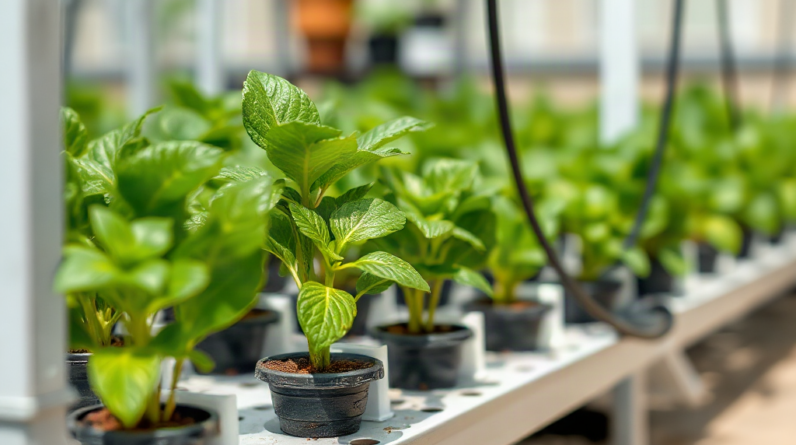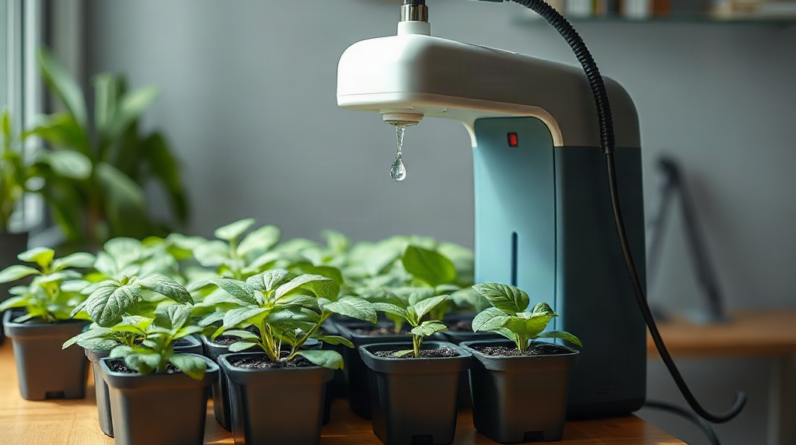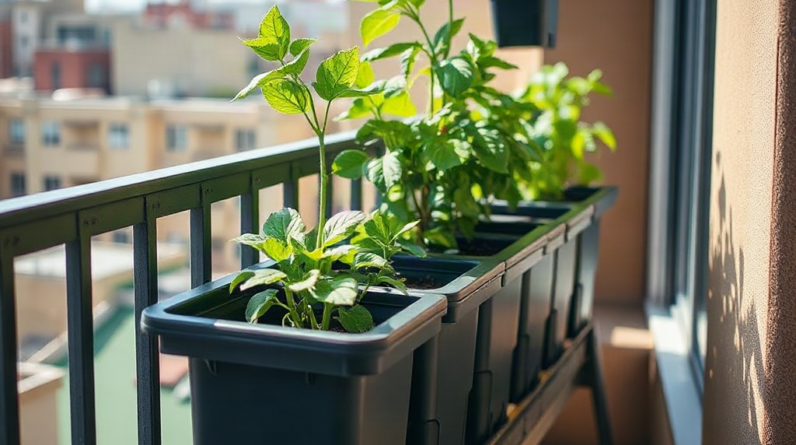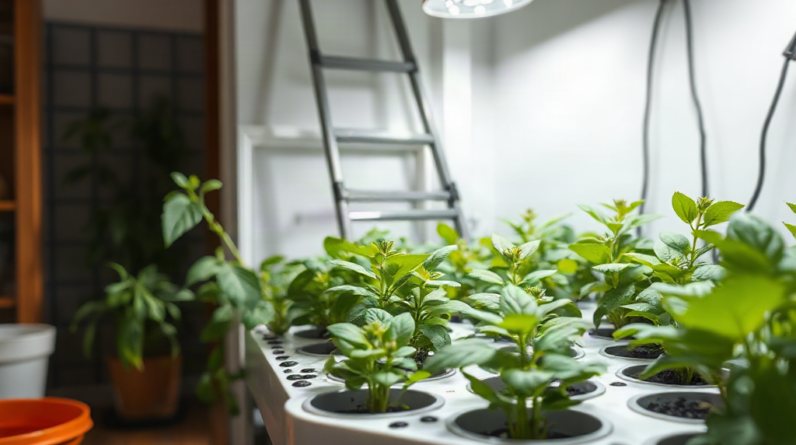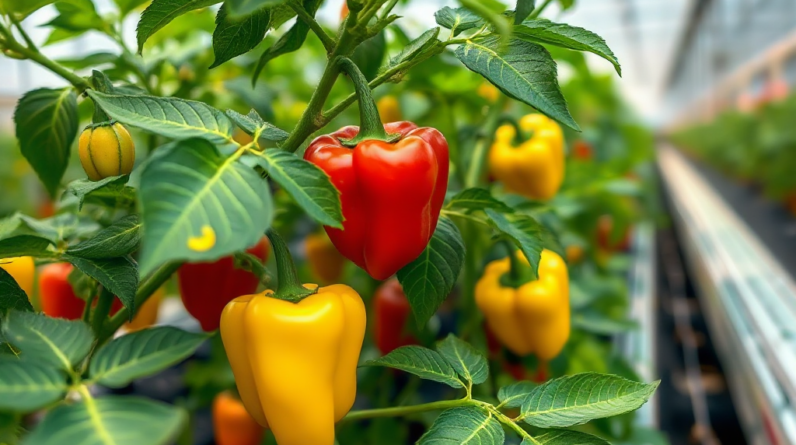
Best pollination timing for hydroponic peppers is late morning, after flowers have opened and foliage surface moisture has dried, because moderate warmth and gentle airflow make pollen transfer more reliable. Tap each flowering stem or use a small artist’s brush every day or two while fresh flowers are receptive, then keep the grow area stable rather than changing temperature or humidity sharply. Pollination may be weak when flowers are damp, air is stagnant, heat is excessive, or nitrogen-driven vegetative growth delays flowering. Watch for a fading flower with a developing green fruit at its base; flowers that drop with no swelling usually indicate an unfavorable pollination window or broader environmental stress.
When Pepper Flowers Are Most Receptive
Peppers usually pollinate most reliably during the late-morning part of the light period, once the flowers are fully open and any condensation has evaporated. The exact clock time matters less than the plant’s daily rhythm. A flower that opened shortly after the lights came on may need several hours before its pollen is loose and the reproductive parts are dry enough for transfer.
Hydroponic plants often grow in enclosed rooms where natural insect activity is absent, so the grower must account for the flower’s short receptive window. Pepper flowers contain both male and female structures, allowing self-pollination, but self-pollination still requires pollen to move from the anthers to the stigma. A slight vibration, gentle air movement, or careful brush contact can provide that movement.
Look for flowers with open petals, visible anthers, and no beads of water inside the corolla. A flower that is newly formed and tightly closed is not ready, while a brown, collapsed flower may already have passed its best opportunity. Pollinating a few open flowers each day is more dependable than trying to treat the entire plant once a week.
Consider a simple comparison: a late-morning session after the lights have warmed the canopy is usually preferable to pollinating immediately after irrigation or during the dark period. Pollinating at night is not automatically useless, but it can be less practical when the room is cool, humidity is high, or flowers remain wet. A common mistake is to schedule pollination by the wall clock without observing flower condition.
For a plant with staggered flowering, mark the first open flowers with a soft tag or note the date. The goal is not to disturb every bloom repeatedly; it is to provide light vibration while flowers are open and then check whether their bases begin to swell. The Best pollination timing for hydroponic peppers depends on flower readiness as much as on the hour.
How Temperature, Humidity, And Airflow Shape Pollination
Pollination timing works only when the flowering environment permits pollen release and transfer. Moderate daytime conditions generally offer a better window than a cold, saturated morning or a hot period near the top of the lighting cycle. Excess humidity can leave pollen clumped or flowers damp, while excessive heat can stress the plant and contribute to blossom drop.
Airflow presents a tradeoff. Gentle circulation can shake pollen loose and reduce moisture around flowers, but a strong fan aimed directly at the blossoms may dry them unevenly, bend stems, or scatter pollen away from the target. Position a circulating fan so leaves move lightly rather than whipping continuously. In a small tent, brief vibration of the flowering branches may be more controlled than increasing fan speed.
Hydroponic nutrition also affects the timing decision. A plant receiving excessive nitrogen may produce abundant foliage with delayed or weak flowering, whereas a plant under root-zone stress may shed flowers even when pollen transfer is adequate. Stable nutrient concentration, suitable root-zone temperature, and consistent irrigation support the plant’s ability to retain a successfully pollinated flower. Pollination cannot compensate for a failing root system.
Suppose flowers open during a cool, humid lights-on period and the exhaust system removes moisture slowly. Moving the pollination task later into the light cycle, after the canopy dries, may be more useful than brushing the same flowers earlier. Conversely, if the room becomes very hot in the afternoon, pollinate before the heat peak. This is a timing adjustment based on conditions, not a universal hour.
- Too damp: wait until flower surfaces are dry and improve gentle circulation.
- Too hot: use the earlier part of the dry light period before heat stress increases.
- Too still: add mild air movement or use deliberate branch vibration.
- Uneven growth: inspect nutrient and root-zone stability before blaming pollination.
The common misconception is that more airflow always means better fruit set. Air movement helps only when it remains gentle and the plant is not being subjected to persistent mechanical or environmental stress.
Hand-Pollination Methods For Indoor Plants
Hand pollination is useful when hydroponic peppers flower indoors without bees or when circulation does not move enough pollen. The safest method is a light vibration: tap the flower’s supporting stem or nearby branch with a fingertip during the late-morning window. Repeat across the plant, but avoid shaking so hard that flowers or developing fruit are damaged.
A small, clean artist’s brush provides more targeted control. Touch the brush lightly to the anthers of one open flower, then brush the stigma of another flower on the same plant or on a compatible pepper plant. A separate brush for different varieties can reduce accidental pollen transfer when seed purity matters. The brush should be dry; moisture and residue make pollen adhere unpredictably.
Electric toothbrushes are sometimes used by indoor growers because their vibration can imitate the movement of an insect. They may work, but direct contact with delicate flowers can be excessive. A brief touch to the stem or a nearby support is a lower-risk starting point. The practical choice depends on plant size: branch tapping suits a few compact plants, while a brush is more precise when flowers are crowded.
Do not mist the canopy immediately before pollinating. Water droplets can interfere with pollen movement, and spraying may physically dislodge flowers. If foliar products are part of the grow routine, schedule them away from open-flower sessions and follow the product label. Pollination is also easier when access paths are clear, so dense foliage should be supported or selectively managed rather than repeatedly pushed aside.
A workable sequence is straightforward:
- Inspect flowers after the lights have been on long enough for visible moisture to clear.
- Choose open, undamaged flowers with visible reproductive structures.
- Tap stems or use a dry brush with light contact.
- Record the date and plant location if you are comparing varieties.
- Check the flower base over the next several days for continued swelling.
A frequent failure mode is treating hand pollination as a forceful task. Repeated heavy brushing can damage the flower without improving pollen transfer. The objective is brief contact at the right stage, followed by stable conditions.
Reading Fruit Set And Correcting Failed Timing
A successful pepper flower usually remains attached while the ovary behind it begins to enlarge. The petals may fade or drop as the small green fruit becomes more obvious. Flower drop without swelling suggests that pollination was incomplete, but it can also reflect heat, drought-like root stress, excessive nutrient strength, poor light, or a plant carrying more reproductive demand than it can support.
Inspect several flowers rather than judging the entire plant from one bloom. If flowers exposed to a gentle fan develop fruit but shaded flowers drop, airflow and access may be the limiting factors. If flowers across the plant fail during a hot afternoon, changing the pollination tool will not address the main pressure. If only flowers that were wet at the time of handling fail, shift the session later and avoid misting around the canopy.
Fruit shape can provide another clue, although it is not a perfect diagnostic. Poorly pollinated fruit may be small or irregular, while a healthy plant can occasionally produce an unusual pepper for genetic or environmental reasons. Use patterns over time: several consecutive days of flower drop carry more information than a single misshapen fruit.
Compare two responses. A grower may brush every flower harder after seeing drop, or may first check temperature swings, humidity, fan placement, root-zone conditions, and flowering-stage nutrition. The second approach is more efficient because pollination is one part of fruit set, not the entire process. Stable conditions should be corrected before increasing handling frequency.
Keep a short record of light schedule, pollination time, room conditions, and fruit response. Within one flowering cycle, this can reveal whether the best window is earlier or later in the day. The Best pollination timing for hydroponic peppers is often identified by comparing your own room’s dry, moderate period with the results from open flowers.
A Practical Pollination Routine For Hydroponic Peppers
A repeatable routine works better than constant intervention. Inspect the plants each day during the light period and pollinate only flowers that are open and dry. For many indoor setups, checking once daily is sufficient; plants with a heavy flush of flowers may benefit from a second brief inspection rather than repeated brushing of the same bloom.
Prioritize environmental stability before adding equipment. Confirm that circulation reaches the flowering canopy without blasting it, that the light cycle is consistent, and that the root-zone system is delivering water and nutrients evenly. In deep-water culture, nutrient temperature and aeration deserve attention; in drip or ebb-and-flow systems, inconsistent wetting can create stress that resembles a pollination problem.
Use the following priority order when fruit set is poor:
- First: identify whether flowers are wet, closed, damaged, or exposed to excessive heat.
- Second: correct stagnant air or overly forceful fan placement.
- Third: inspect root-zone stability, nutrient strength, and irrigation consistency.
- Fourth: refine the hand-pollination technique and timing.
- Fifth: compare results across several flowers before making another major change.
For example, a small tent with lights that create a warm afternoon peak may produce better results when the grower taps open flowers midway through the light period. A cooler room with slow morning drying may call for a later session. Neither schedule should override visible plant stress.
Do not expect every flower to become a pepper. Pepper plants naturally abort some blooms, especially when young, newly transplanted, heavily pruned, or adjusting to a changed environment. A sound routine aims for consistent opportunities, not perfect conversion. The Best pollination timing for hydroponic peppers should leave flowers dry, gently disturbed, and followed by several days of stable care.
For broader, research-based information on plant care, growing environments, and agricultural production, consult university Cooperative Extension resources and the USDA National Agricultural Library. These sources can help place indoor pepper pollination alongside cultivar selection, environmental management, and general crop physiology.
Frequently Asked Questions
What time of day should I pollinate hydroponic peppers?
Late morning is often a useful window after the lights have warmed the canopy and flower moisture has dried. Adjust earlier or later if your room becomes unusually hot or remains humid.
Can hydroponic pepper flowers pollinate without bees?
Yes. Pepper flowers commonly self-pollinate, but indoor plants may need gentle stem tapping, suitable air movement, or a dry small brush to move pollen.
How often should I hand-pollinate pepper flowers?
Inspect daily during active flowering and handle newly open flowers once. Repeated vigorous brushing is unnecessary and may damage delicate blooms.
Why do pepper flowers drop after I pollinate them?
Flower drop may result from heat, damp flowers, stagnant air, root-zone stress, inconsistent irrigation, or nutrient imbalance rather than failed pollen transfer alone.
Should a fan blow directly on pepper flowers?
No. Gentle circulation can help distribute pollen and dry flowers, but a strong direct stream may stress stems and scatter pollen away from the reproductive structures.
Further Reading
Authoritative Sources
- Academy of Nutrition and Dietetics
eatright.orgProfessional nutrition guidance, healthy eating resources, and practical dietitian-reviewed advice.
- U.S. Department of Agriculture
usda.govOfficial food, nutrition, agriculture, and consumer guidance from the USDA.
- NIH Office of Dietary Supplements
ods.od.nih.govResearch-based fact sheets on nutrients, supplements, dietary intake, and safety considerations.
- International Society of Sports Nutrition
sportsnutritionsociety.orgEvidence-informed sports nutrition resources and position stands for active people and athletes.
Conclusion
Successful pepper pollination indoors comes from matching flower readiness with a stable, dry, gently moving environment. Inspect flowers after the light period begins, choose open blooms, and use a light stem tap or dry brush rather than forceful handling. If fruit set remains poor, investigate heat, humidity, airflow, irrigation, root-zone conditions, and nutrient balance before increasing pollination effort. Record when flowers were treated and whether their bases swell over the following days; that simple comparison can reveal the most productive window in your own grow room. A practical schedule may differ between tents, cultivars, and seasons, but the priorities remain consistent: dry flowers, moderate conditions, restrained vibration, and enough time to evaluate the plant’s response.