To balance nutrient ratios for hydroponic crops, it's essential to regularly test and adjust the nutrient solution's pH and electrical conductivity. Aim for a pH level between 5.5 and 6.5 to optimize nutrient uptake. Focus on the three key macronutrients: nitrogen, phosphorus, and potassium, ensuring they are present in the correct proportions for your specific crops and their growth stages. Monitoring plant responses to nutrient adjustments can help prevent deficiencies or toxicities, ultimately enhancing growth and yield. Regular adjustments based on these observations will lead to healthier plants and more productive harvests.
Understanding Nutrient Ratios
Nutrient ratios are vital for the successful growth of hydroponic crops, as they determine how well plants can absorb essential elements. Each crop has specific nutrient requirements, which can vary based on growth stages and environmental conditions. Understanding these ratios helps growers optimize plant health and maximize yields.
Balancing nutrient ratios involves knowing the right proportions of macronutrients and micronutrients necessary for plant development. This requires continuous monitoring and adjustments based on plant responses and environmental factors.
Key Macronutrients and Their Roles
Macronutrients are the primary nutrients required in larger quantities for plant growth. The three main macronutrients are nitrogen (N), phosphorus (P), and potassium (K). Each plays a unique role in plant health:
- Nitrogen: Essential for leaf growth and overall plant vigor, nitrogen promotes photosynthesis and protein synthesis.
- Phosphorus: Crucial for root development and flower formation, phosphorus aids in energy transfer within the plant.
- Potassium: Important for water regulation and enzyme activation, potassium enhances overall plant resilience and quality of produce.
Maintaining the right balance of these nutrients is necessary to avoid deficiencies or toxicities that can hinder growth.
Testing and Adjusting Nutrient Solutions
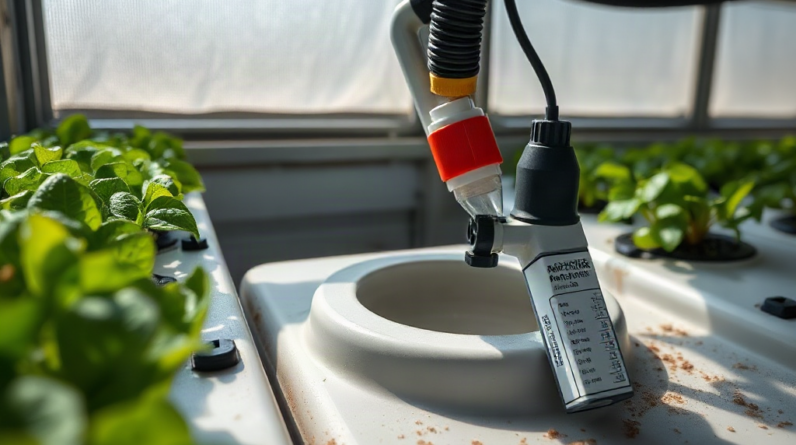
Regular testing of the nutrient solution is crucial to ensure that the ratios remain balanced. Growers should use a pH meter and an electrical conductivity (EC) meter to monitor the nutrient solution’s pH and concentration levels. The ideal pH range for most hydroponic crops is between 5.5 and 6.5, as this range allows for optimal nutrient uptake.
Adjusting nutrient concentrations can be done by adding more nutrient solution or diluting it with water. For example, if nitrogen levels are too high, reducing the nitrogen concentration while maintaining other nutrients can restore balance. Additionally, adapting nutrient ratios based on crop growth stages is essential; for instance, more nitrogen may be needed during the vegetative phase, while increased phosphorus and potassium are beneficial during flowering.
Common Mistakes in Nutrient Balancing
Many growers encounter challenges when balancing nutrient ratios, often due to misconceptions or lack of knowledge. A common mistake is over-fertilization, which can lead to nutrient lockout and plant stress. Conversely, under-fertilization can result in stunted growth and poor yields.
Another misconception is that all plants require the same nutrient ratios. Each crop type has unique requirements, and growers should tailor their nutrient solutions accordingly. Regular monitoring and adjustments based on plant growth and environmental conditions are essential for successful hydroponic gardening.
Frequently Asked Questions
What are the ideal nutrient ratios for hydroponic crops?
Ideal nutrient ratios vary by crop, but a common starting point is 3:1:2 for N:P:K during the vegetative stage.
How often should I test my nutrient solution?
Testing should be done weekly or bi-weekly to ensure nutrient levels remain optimal for plant growth.
Can I use regular fertilizers in hydroponics?
Regular fertilizers may contain insoluble compounds that can clog systems; use hydroponic-specific nutrients instead.
What happens if nutrient ratios are unbalanced?
Unbalanced ratios can lead to nutrient deficiencies, toxicities, poor growth, and reduced crop yields.
How can I improve nutrient uptake in my hydroponic system?
Maintain optimal pH levels, regularly adjust nutrient concentrations, and ensure adequate oxygenation in the root zone.
Further Reading
Authoritative Sources
- Hydroponics Education Resource
hydroponics.comThis source provides comprehensive information on nutrient management in hydroponic systems.
- USDA Guidelines for Hydroponics
usda.govThe USDA offers resources on best practices for nutrient management in hydroponics.
- University Extension Services
extension.orgFind research-based information on nutrient ratios and hydroponic crop management.
Further Reading
Authoritative Sources
- USDA National Institute of Food and Agriculture
nifa.usda.govResearch and extension resources related to agriculture, plants, soil, and food systems
- Extension Foundation Gardening Resources
extension.orgUniversity extension education resources for practical gardening and home agriculture topics
- USDA Natural Resources Conservation Service
nrcs.usda.govSoil, water, conservation, and land management resources for practical growing decisions
Conclusion
Balancing nutrient ratios is crucial for the health and productivity of hydroponic crops. By understanding the roles of key macronutrients, regularly testing nutrient solutions, and avoiding common mistakes, growers can enhance plant growth and yields. Continuous monitoring and adjustments based on crop needs and environmental conditions will foster a thriving hydroponic system.