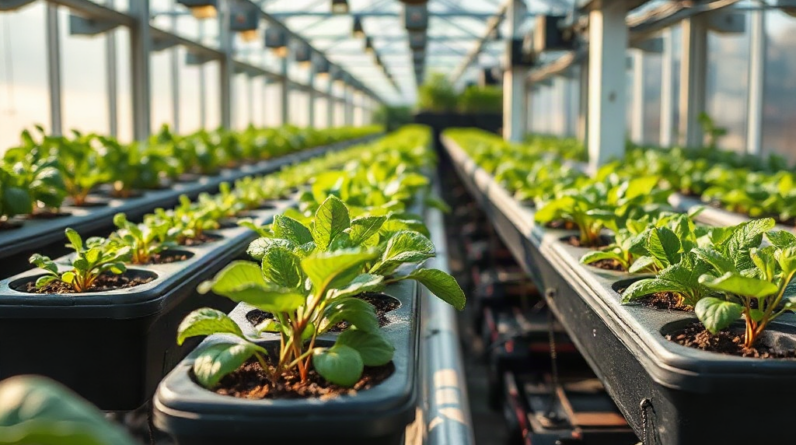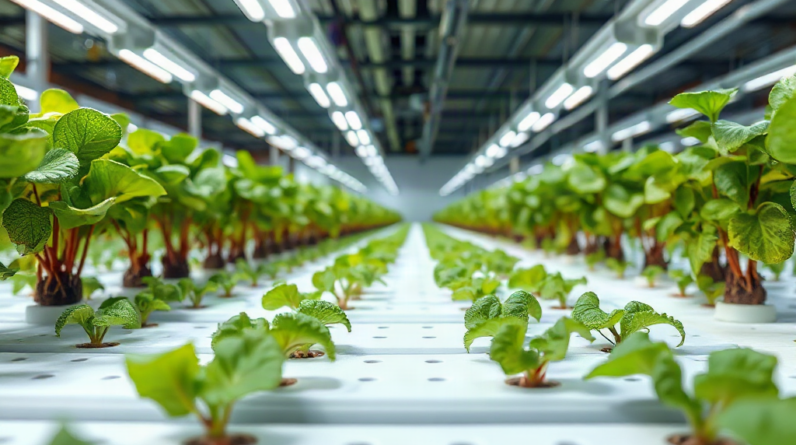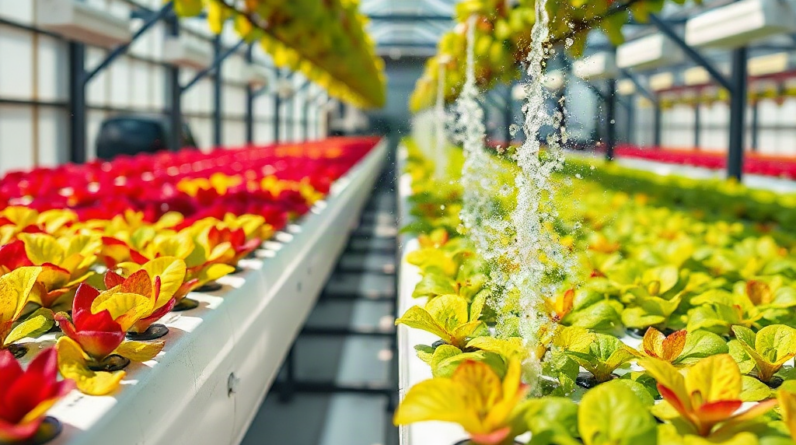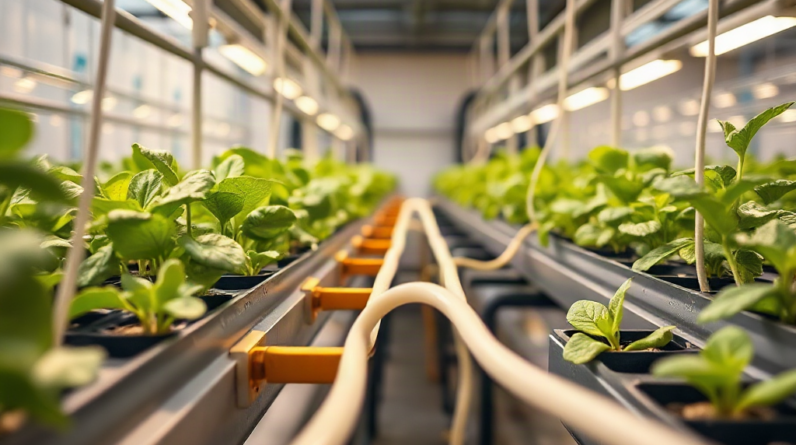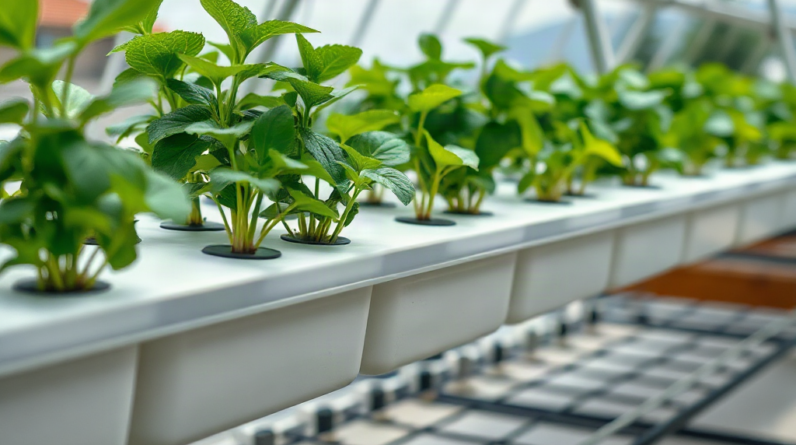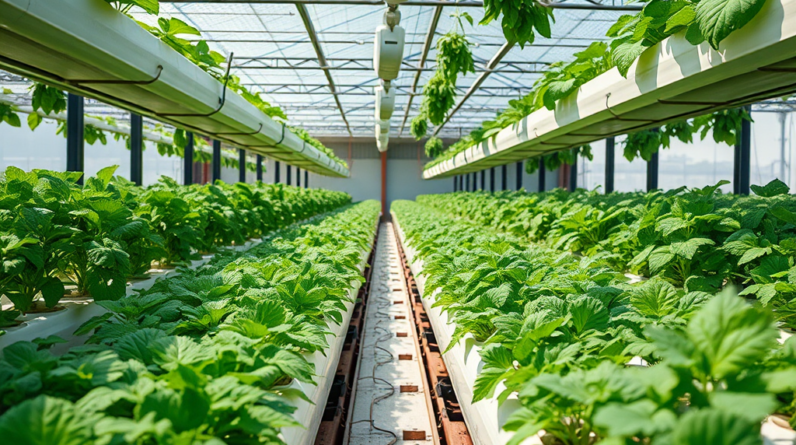
To choose the right hydroponic crops, start by assessing your growing environment, including space, climate, and light requirements. Crops like leafy greens and herbs are ideal for hydroponic systems due to their quick growth and high market demand. Research local preferences to ensure your selection aligns with consumer trends, as this can boost profitability. Avoid common pitfalls such as selecting crops that require extensive care or fail to thrive in your specific conditions, as this can lead to reduced yields and wasted resources.
Understanding Your Growing Environment
Choosing the right hydroponic crops begins with a clear understanding of your growing environment, which includes factors such as available space, climate conditions, and the type of hydroponic system you are using. For instance, certain crops require more space to grow, while others can thrive in vertical systems. Assessing these aspects ensures that you can provide the necessary conditions for optimal plant growth.
Consider the temperature and humidity levels in your growing area. Crops like basil and mint prefer warmer conditions, while leafy greens such as spinach and kale can tolerate cooler temperatures. Additionally, understanding the light requirements of different crops is crucial; some may need full-spectrum LED lights, while others can flourish with less intense lighting. This initial assessment will guide you in selecting crops that align with your hydroponic setup.
Crop Selection Based on Market Demand
Selecting crops that cater to market demand can significantly enhance the success of your hydroponic gardening venture. Research local consumer preferences and trends to identify which crops are in high demand. For example, herbs such as cilantro and basil are often sought after by restaurants and home cooks, providing a profitable opportunity for hydroponic growers.
It’s beneficial to engage with local farmers’ markets or grocery stores to understand what fresh produce is currently popular. Additionally, consider diversifying your crop selection to include both high-demand and niche products, which can help mitigate risks associated with market fluctuations. This strategy not only maximizes your potential earnings but also keeps your offerings fresh and appealing to consumers.
Assessing Growth Rates and Yields
When choosing hydroponic crops, it’s essential to evaluate their growth rates and expected yields. Fast-growing crops like lettuce and radishes can provide quicker returns on your investment, making them ideal for beginners. Conversely, slower-growing plants may require more time and resources before they yield a harvest.
For instance, leafy greens typically mature within 30 to 45 days, while fruiting plants like tomatoes may take several months to produce. Understanding the growth cycle of each crop allows you to plan your planting schedule effectively and ensure a continuous supply of produce. Additionally, consider the yield per plant, as some crops may produce more than others, impacting overall profitability.
Common Mistakes in Crop Selection
Many new hydroponic gardeners make critical mistakes when selecting crops. One common error is choosing crops that require specific conditions not met by their existing systems. For example, attempting to grow tropical plants in a temperate climate without proper heating can lead to poor results.
Another frequent mistake is underestimating the amount of light required for certain crops. Insufficient lighting can lead to stunted growth and lower yields. Additionally, some growers may overlook the importance of crop rotation and diversity, which can lead to nutrient depletion in the growing medium. By being aware of these pitfalls, you can make informed decisions that enhance the success of your hydroponic garden.
Frequently Asked Questions
What are the best crops for beginners in hydroponics?
Best crops for beginners include lettuce, herbs like basil and mint, and radishes, as they are easy to grow and have short growth cycles.
How much light do hydroponic crops need?
Hydroponic crops typically need 12 to 16 hours of light per day, depending on the type of plant and its growth stage.
Can I grow fruiting plants in a hydroponic system?
Yes, you can grow fruiting plants like tomatoes and peppers in hydroponic systems, but they often require more care and specific conditions.
What is the fastest-growing hydroponic crop?
Lettuce is one of the fastest-growing hydroponic crops, typically ready for harvest in about 30 to 45 days.
What mistakes should I avoid when choosing hydroponic crops?
Avoid selecting crops that require conditions not provided by your system, underestimating light needs, and neglecting crop rotation.
Further Reading
Authoritative Sources
- University of Minnesota Extension
extension.umn.eduA valuable resource for understanding hydroponic systems and crop selection
- Purdue University Horticulture
hort.purdue.eduOffers insights into various hydroponic crops and their cultivation needs
- USDA Agricultural Marketing Service
ams.usda.govProvides data on market trends that can inform crop selection decisions
Conclusion
Choosing the right hydroponic crops involves understanding your growing environment, market demand, growth rates, and common mistakes. By carefully assessing these factors, you can make informed decisions that lead to successful harvests. Prioritize fast-growing, high-demand crops that align with your system’s capabilities, and remain aware of potential pitfalls to enhance productivity and profitability in your hydroponic gardening endeavors.