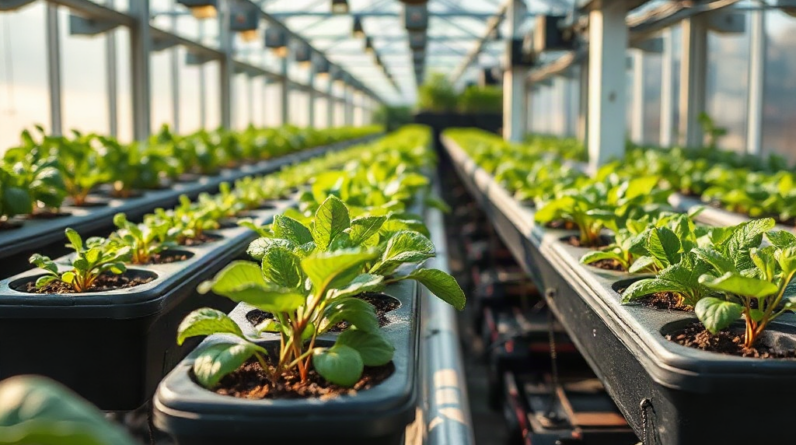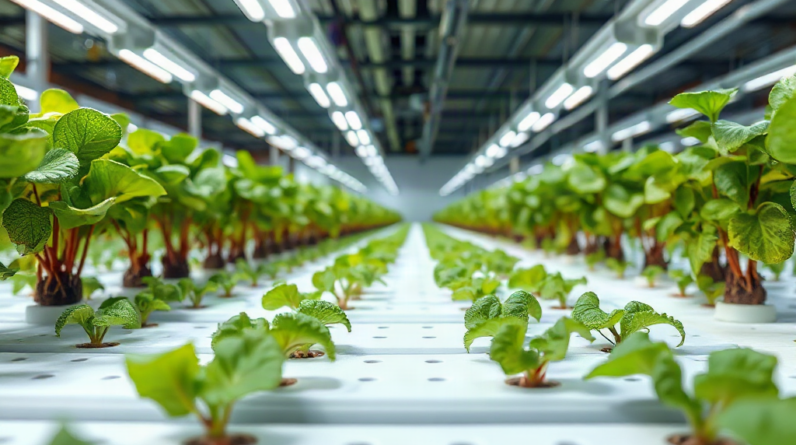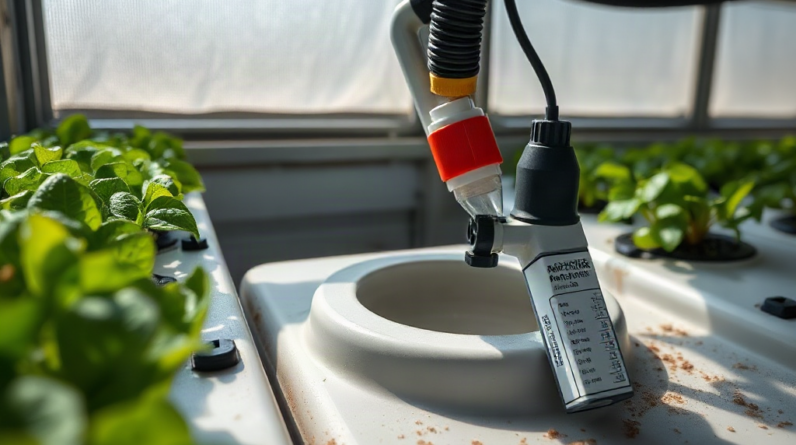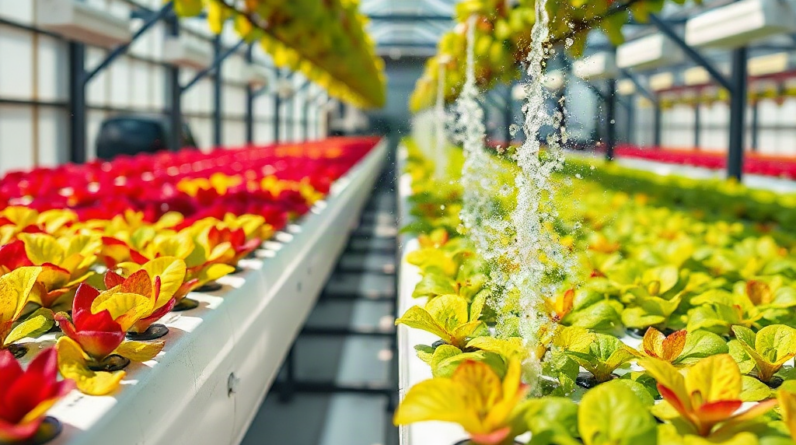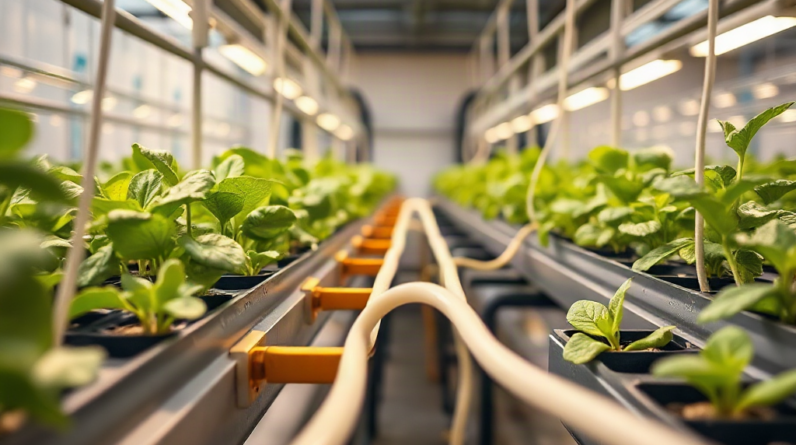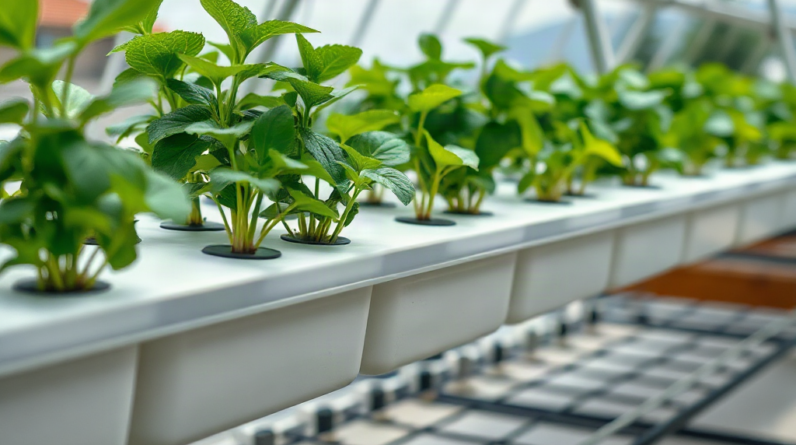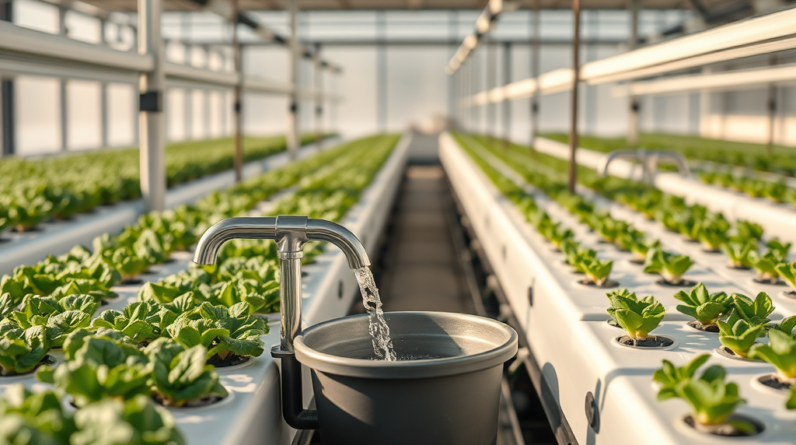
To combat diseases in hydroponic systems, maintain a clean environment and monitor plant health regularly. Key strategies include sterilizing equipment, managing humidity, and using disease-resistant plant varieties. It's essential to monitor nutrient levels and pH to prevent stress that can make plants more susceptible to diseases like root rot and powdery mildew. A common mistake is neglecting early signs of disease, which can lead to rapid spread and crop loss. Implementing organic fungicides at the first sign of trouble can also help manage outbreaks effectively.
Understanding Hydroponic Diseases
Hydroponic systems are susceptible to various diseases due to the concentrated environment and high moisture levels. Understanding the types of diseases that can affect your plants is crucial for effective management. Common diseases include root rot, powdery mildew, and various fungal infections that thrive in humid conditions. Identifying these diseases early can prevent them from spreading and causing significant damage to your crop yield.
Diseases often manifest due to environmental stressors, nutrient imbalances, or poor water quality. For example, root rot is typically caused by overwatering or poor drainage, while powdery mildew flourishes in high humidity and poor air circulation. Regular monitoring of plant health, along with maintaining optimal conditions, is essential to mitigate these risks.
Preventative Measures for Disease Control
Implementing preventative measures is the first line of defense against diseases in hydroponic systems. Start by ensuring that your growing environment is clean and well-maintained. This includes sterilizing equipment, regularly cleaning the growing medium, and using disinfectants to eliminate pathogens. It’s also vital to monitor the nutrient solution for pH and electrical conductivity, as imbalances can stress plants and make them more vulnerable to diseases.
In addition to environmental controls, consider introducing beneficial microorganisms that can outcompete harmful pathogens. Products containing beneficial bacteria and fungi can enhance plant health and resilience. Moreover, selecting disease-resistant plant varieties can significantly reduce the likelihood of disease outbreaks.
Treating Existing Diseases
When diseases are detected, swift action is necessary to minimize damage. Depending on the type of disease, treatment options may vary. For instance, root rot can be addressed by improving drainage and reducing watering frequency. In cases of fungal infections, applying organic fungicides or neem oil can effectively control the spread.
It’s crucial to isolate affected plants to prevent the disease from spreading to healthy ones. Regularly inspect all plants for signs of distress, such as yellowing leaves or stunted growth, as these can indicate underlying issues. Early intervention is key, as waiting too long can lead to severe crop loss and the need for more drastic measures.
Common Mistakes to Avoid
One of the most significant mistakes in hydroponic gardening is neglecting the importance of cleanliness. Failing to regularly clean equipment and growing areas can lead to the accumulation of pathogens. Additionally, overwatering is a common error that can create favorable conditions for diseases like root rot.
Ignoring early symptoms of disease can also result in widespread damage. Many growers may overlook slight discoloration or wilting, thinking it’s a nutrient issue. However, these symptoms may indicate a developing disease that requires immediate attention. Establishing a routine for monitoring plant health will help catch these issues early and improve overall system resilience.
Frequently Asked Questions
What are the most common diseases in hydroponic systems?
The most common diseases include root rot, powdery mildew, and various fungal infections, often exacerbated by high humidity and poor sanitation.
How can I prevent diseases in my hydroponic garden?
Prevent diseases by maintaining a clean environment, monitoring nutrient levels, and using disease-resistant plant varieties.
What should I do if I find a diseased plant?
Isolate the diseased plant immediately, assess the type of disease, and apply appropriate treatments such as fungicides or improved drainage.
How often should I check my hydroponic plants for diseases?
Conduct regular checks at least once a week to identify early signs of disease and address any issues promptly.
Can I use chemical fungicides in hydroponics?
While some chemical fungicides are effective, it's advisable to use organic options to avoid contaminating the nutrient solution.
Further Reading
Authoritative Sources
- Hydroponics.org
hydroponics.orgProvides extensive resources on disease management in hydroponic systems
- Extension.org
extension.orgOffers research-based information on hydroponic gardening practices
- USDA
usda.govContains guidelines on plant health and disease prevention
Conclusion
Effectively combating diseases in hydroponic systems requires a proactive approach that includes regular monitoring, sanitation, and the use of preventative measures. Understanding the types of diseases that can affect your crops and implementing strategies to prevent their occurrence is essential. By recognizing the signs early and treating them appropriately, growers can protect their yields and ensure a successful hydroponic gardening experience.