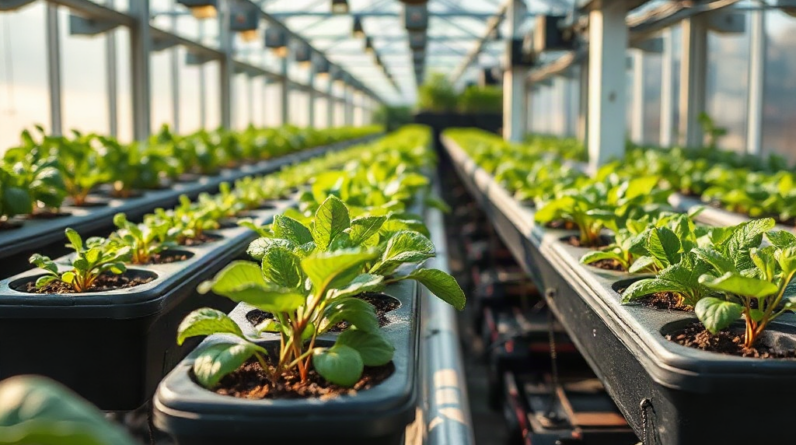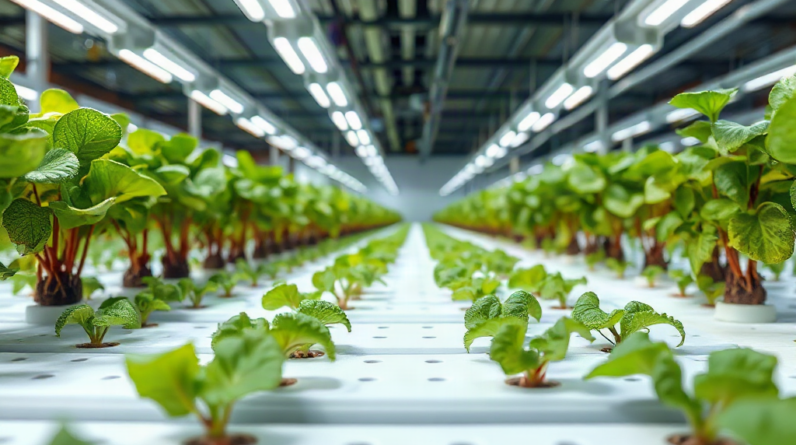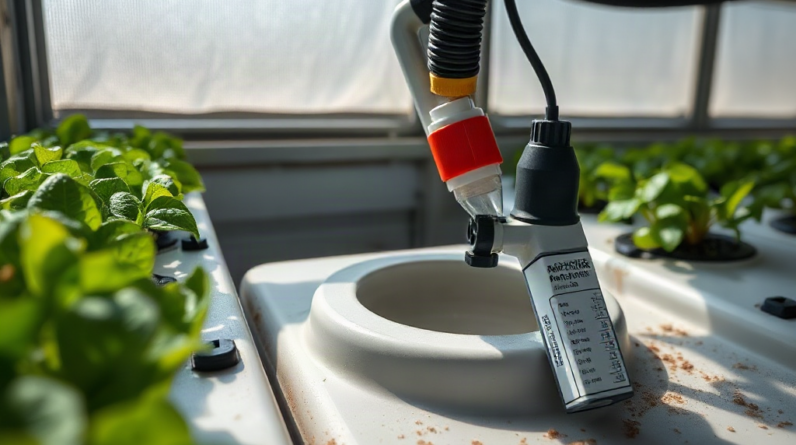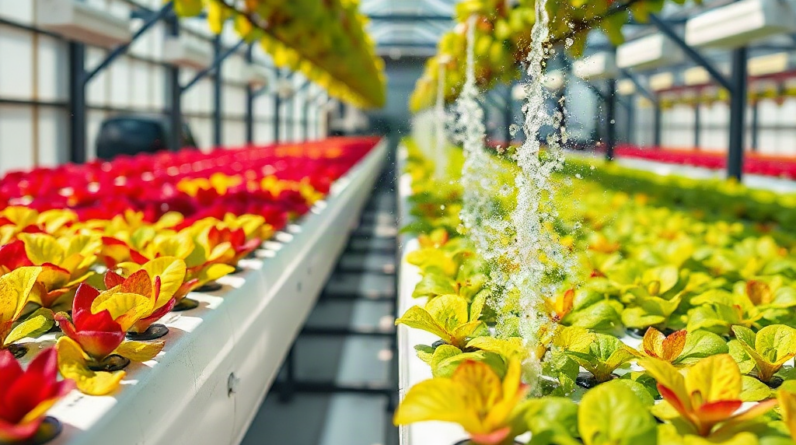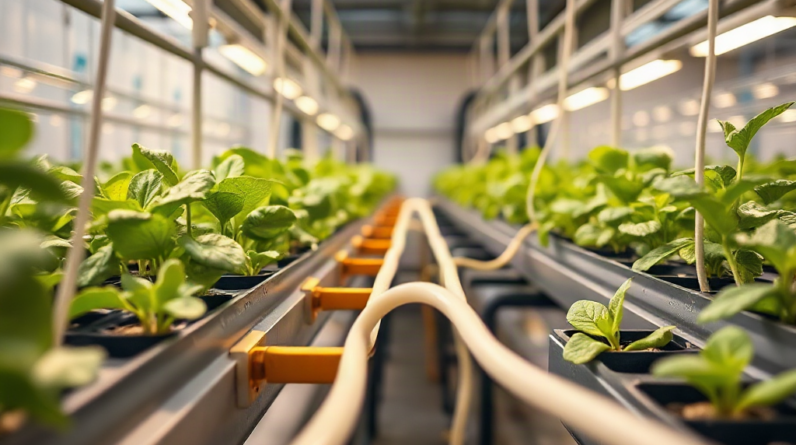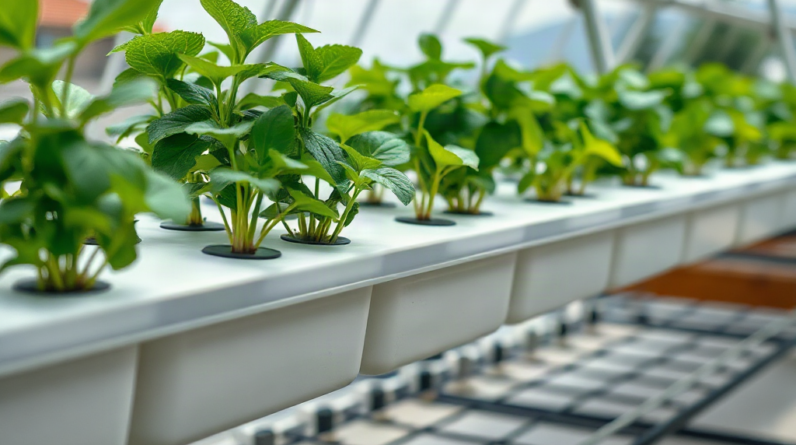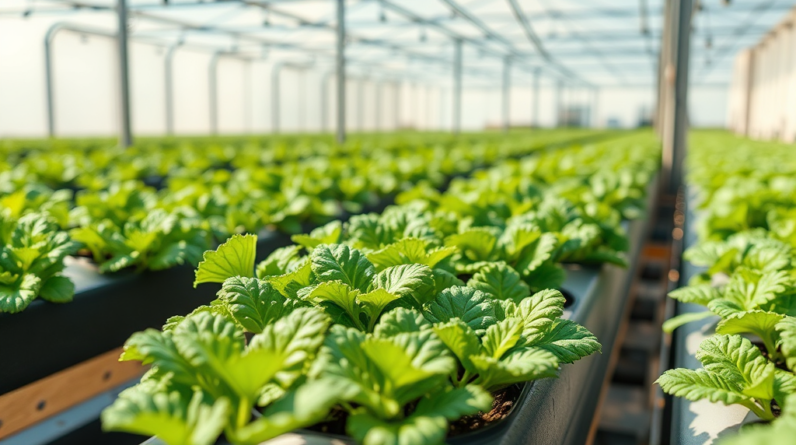
To effectively deal with nutrient runoff in hydroponics, it is essential to monitor and manage watering practices carefully. Overwatering is a primary cause of runoff, which can lead to nutrient loss and potential environmental harm. Implementing a closed-loop system can significantly reduce runoff by recycling excess nutrient solution back into the system. Additionally, adjusting the concentration of your nutrient solution and ensuring proper drainage in your growing medium can help minimize runoff. Regularly checking the timing and frequency of feedings will also contribute to maintaining optimal nutrient levels and preventing waste.
Understanding Nutrient Runoff
Nutrient runoff in hydroponics refers to the excess nutrient solution that drains away from the growing medium, which can occur during the watering process. This phenomenon is critical to understand as it can lead to nutrient loss and environmental contamination. Hydroponic systems rely on nutrient solutions to feed plants directly, and when runoff occurs, it not only wastes these valuable resources but also poses risks to surrounding ecosystems.
To effectively manage nutrient levels, it’s essential to monitor the runoff and understand its implications on both plant health and environmental sustainability. Proper nutrient management ensures that plants receive the right balance of nutrients and minimizes the potential adverse effects of runoff.
Causes of Nutrient Runoff
Several factors contribute to nutrient runoff in hydroponic systems. One primary cause is overwatering, where excess water applied to plants leads to overflow and nutrient solution loss. This can be exacerbated by poor drainage in the growing medium or system design. Additionally, the composition of the nutrient solution itself can influence runoff; solutions that are too concentrated may lead to higher levels of runoff as plants struggle to absorb the nutrients effectively.
Another significant factor is the timing and frequency of feeding. If plants are fed too frequently or at inappropriate times, the likelihood of runoff increases. Furthermore, environmental conditions such as temperature and humidity can affect how much water and nutrients are absorbed by the plants, leading to increased runoff if conditions are not optimal.
Risks Associated With Nutrient Runoff
Nutrient runoff presents various risks, not only to the plants but also to the surrounding environment. One major risk is nutrient imbalances, which can lead to deficiencies or toxicities in plants. This is particularly problematic in hydroponic systems where precise nutrient management is crucial for optimal growth.
Moreover, runoff can contribute to environmental pollution, particularly if the nutrient solution contains high levels of nitrogen or phosphorus. These nutrients can lead to algal blooms in nearby water bodies, disrupting aquatic ecosystems and harming local wildlife. Understanding these risks is vital for hydroponic growers to implement effective management strategies that minimize runoff and its impacts.
Effective Management Strategies
Managing nutrient runoff effectively involves several strategies that focus on reducing excess runoff and optimizing nutrient absorption. One of the most effective methods is to implement a closed-loop system, which recirculates excess nutrient solution back into the system instead of allowing it to drain away. This not only conserves resources but also ensures that plants receive consistent nutrient levels.
Regular monitoring of nutrient levels in both the solution and the plants is essential. Adjusting feeding schedules based on plant growth stages and environmental conditions can help prevent overwatering and nutrient loss. Additionally, using absorbent materials or barriers can help capture excess runoff and direct it back to the system, further reducing waste.
Frequently Asked Questions
What is nutrient runoff in hydroponics?
Nutrient runoff in hydroponics refers to the excess nutrient solution that drains away from the plants, which can lead to nutrient loss and environmental issues.
What causes nutrient runoff?
Causes include overwatering, poor drainage, concentrated nutrient solutions, and inappropriate feeding schedules.
Why is nutrient runoff a concern?
Nutrient runoff can lead to plant nutrient imbalances and contribute to environmental pollution, affecting local ecosystems.
How can I manage nutrient runoff?
Implementing closed-loop systems, regular monitoring, and adjusting feeding schedules can effectively manage nutrient runoff.
What are the impacts of nutrient runoff on the environment?
Nutrient runoff can cause algal blooms in water bodies, leading to oxygen depletion and harming aquatic life.
Further Reading
Authoritative Sources
- USDA Agricultural Research Service
usda.govProvides extensive research on sustainable agricultural practices, including nutrient management in hydroponics
- National Agricultural Extension Network
extension.orgA valuable resource for best practices in nutrient management and environmental protection strategies
Conclusion
Effectively dealing with nutrient runoff in hydroponics is essential for both plant health and environmental sustainability. By understanding the causes and risks associated with runoff, hydroponic growers can implement strategies that minimize nutrient loss and protect ecosystems. Regular monitoring and optimizing feeding practices are key to achieving a balanced nutrient solution, ensuring that plants thrive while reducing the environmental impact of hydroponic systems.