To effectively manage low humidity in hydroponics, it’s essential to understand its causes and implement practical solutions that promote optimal plant health. Low humidity can lead to various issues, including wilting, nutrient uptake challenges, and reduced growth rates. Maintaining humidity levels between 40% and 70% is crucial to ensure plants thrive in a hydroponic environment.
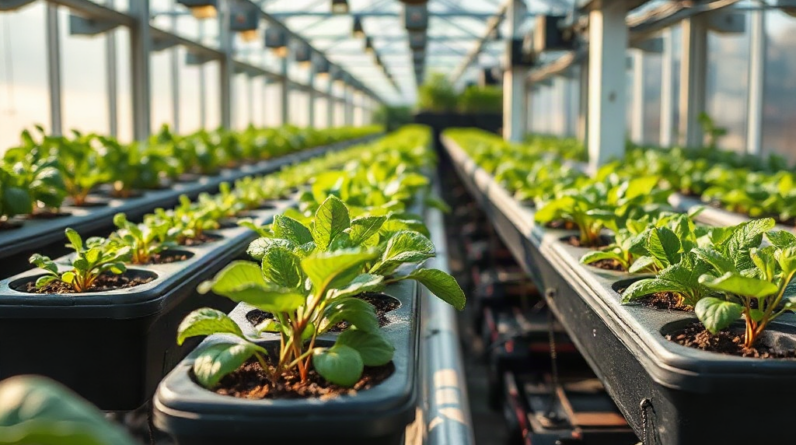
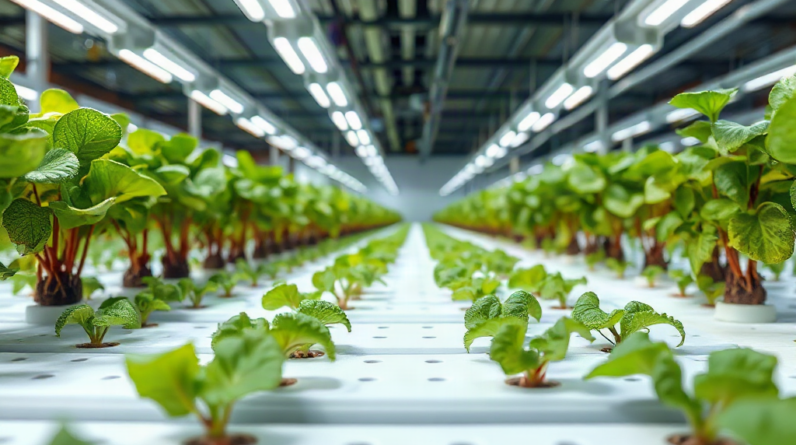
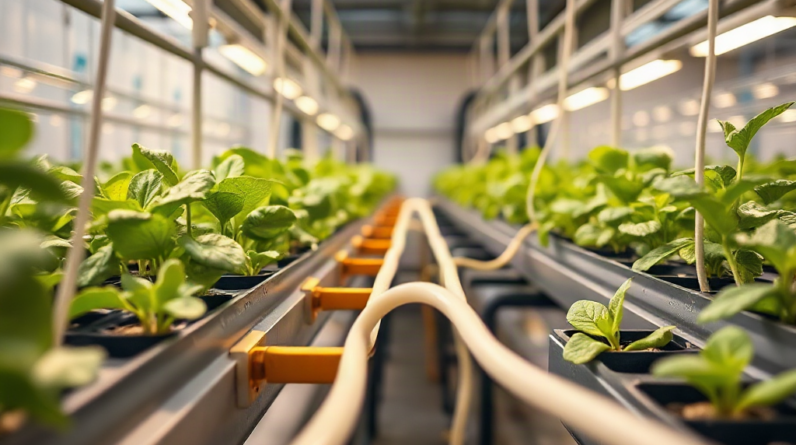
One of the primary causes of low humidity is insufficient water vapor in the air, often exacerbated by factors such as high temperatures, ventilation, and the type of hydroponic system in use. For example, systems like nutrient film technique (NFT) and aeroponics can create drier conditions compared to deep water culture (DWC). Understanding these dynamics is vital for effective management.
Identifying Symptoms of Low Humidity
Recognizing the signs of low humidity is the first step in addressing the issue. Symptoms include wilting leaves, slow growth, and nutrient deficiencies, particularly in plants that require high moisture levels. When humidity is too low, plants may also exhibit curling leaves and browning at the tips.
Monitoring these symptoms is crucial, as they can lead to significant stress on the plants, making them more susceptible to pests and diseases. Regular checks can help identify issues before they escalate, allowing for timely interventions.
Practical Solutions for Increasing Humidity
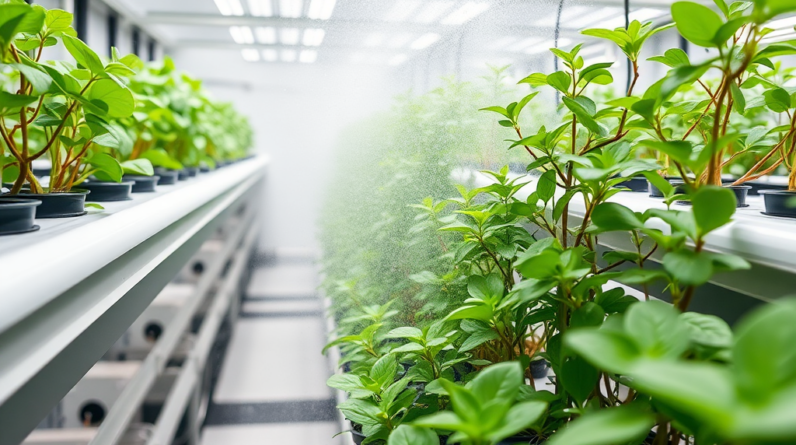
To effectively increase humidity in hydroponic systems, several methods can be employed. Misting plants regularly is a simple way to add moisture to the air. Additionally, using a humidifier can provide a more controlled increase in humidity levels, especially in larger setups.
Incorporating humidity-loving plants into your hydroponic garden can also help maintain higher moisture levels. Consider adding ferns or certain herbs that thrive in humid conditions. However, balance is essential; excessive humidity can lead to mold growth and root rot.
Monitoring and Maintaining Humidity Levels
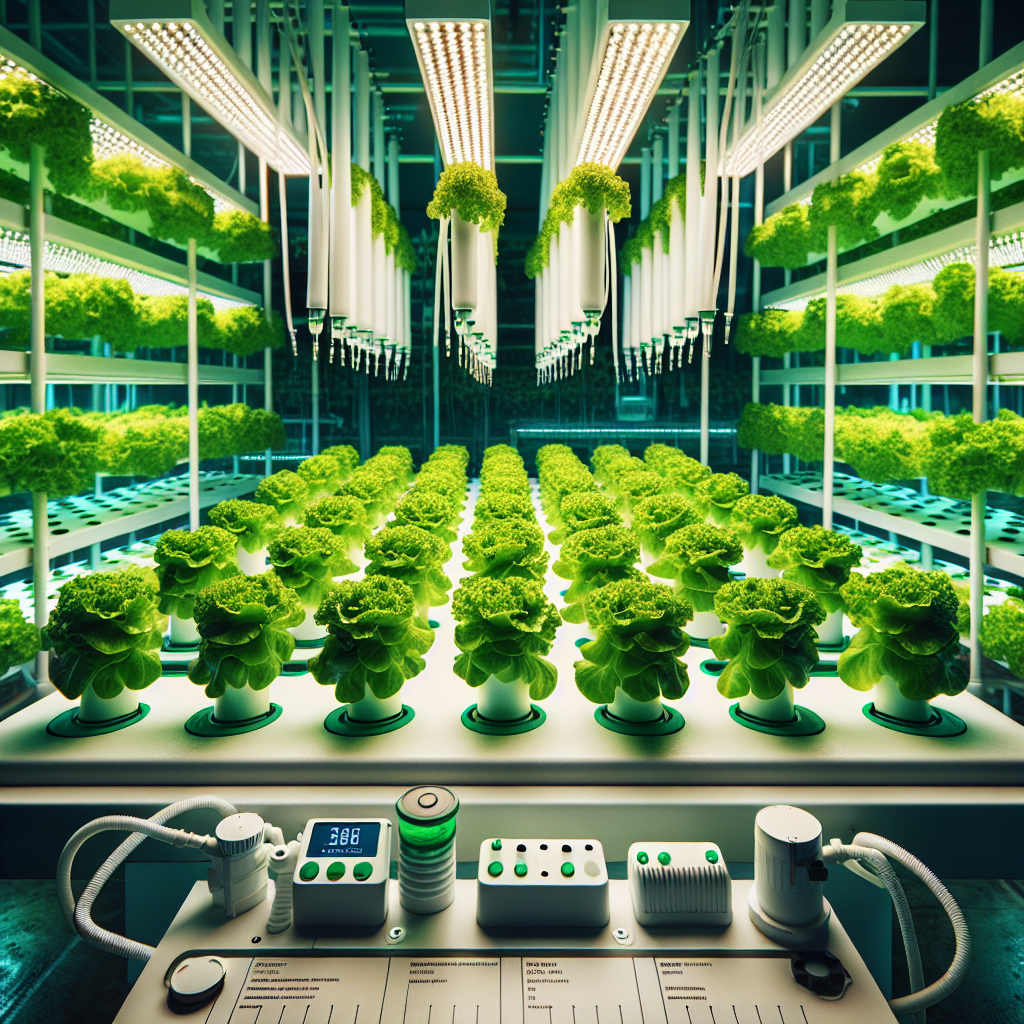
Regularly monitoring humidity levels is critical for successful hydroponic gardening. Use hygrometers to measure humidity accurately, and adjust your methods based on the readings. Ideal humidity levels should range between 40% and 70%, depending on the plant species.
Additionally, you may need to adjust your watering schedule and ventilation to maintain consistent humidity. Too much airflow can dry out the environment, while too little can trap moisture and create a breeding ground for pathogens.
Choosing the Right Plants for Low Humidity
Some plants are better suited for low humidity environments than others. Selecting varieties that can tolerate drier conditions can reduce the burden of humidity management. Succulents and certain herbs, like rosemary and thyme, are excellent choices for low-humidity hydroponic systems.
Understanding the specific humidity requirements of each plant type will help you create a more resilient hydroponic garden. Research and plan your crop selection to ensure compatibility with your humidity levels.
Further Reading
Authoritative Sources
- USDA National Institute of Food and Agriculture
nifa.usda.govResearch and extension resources related to agriculture, plants, soil, and food systems
- Extension Foundation Gardening Resources
extension.orgUniversity extension education resources for practical gardening and home agriculture topics
- USDA Natural Resources Conservation Service
nrcs.usda.govSoil, water, conservation, and land management resources for practical growing decisions
Frequently Asked Questions
What humidity levels are ideal for hydroponics?
Ideal humidity levels for hydroponics typically range from 40% to 70%, depending on the specific plant species.
How can I increase humidity in my hydroponic system?
You can increase humidity by misting plants, using a humidifier, or incorporating humidity-loving plants into your setup.
What are the signs of low humidity in plants?
Signs of low humidity include wilting leaves, slow growth, curling leaves, and browning leaf tips.
Can low humidity affect nutrient uptake?
Yes, low humidity can hinder nutrient uptake, leading to deficiencies and poor plant health.
What plants are best for low humidity environments?
Succulents and certain herbs like rosemary and thyme are well-suited for low humidity environments in hydroponics.
Conclusion
Managing low humidity in hydroponics is essential for ensuring healthy plant growth and maximizing yields. By recognizing symptoms, implementing practical solutions, and monitoring humidity levels, you can create an optimal environment for your plants. Consider selecting the right crops that can thrive in your specific humidity conditions, and always remain vigilant about the signs of stress in your plants. With careful attention and proactive management, you can overcome the challenges posed by low humidity and enjoy a thriving hydroponic garden.