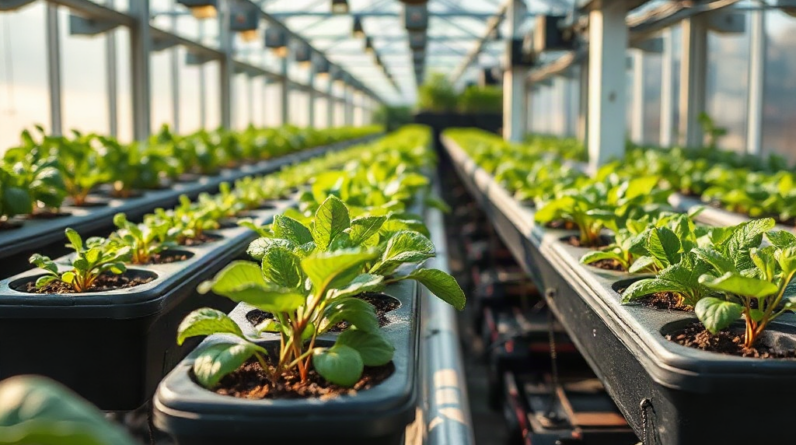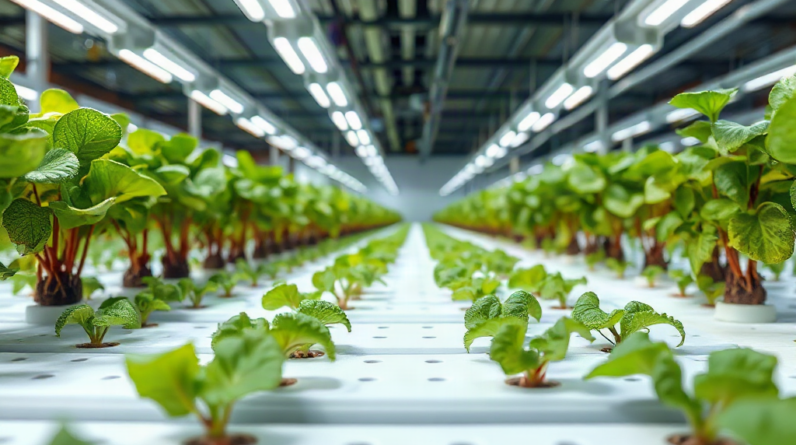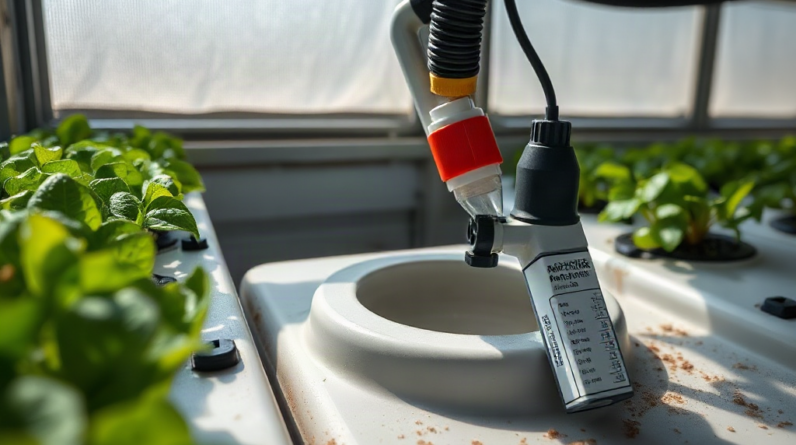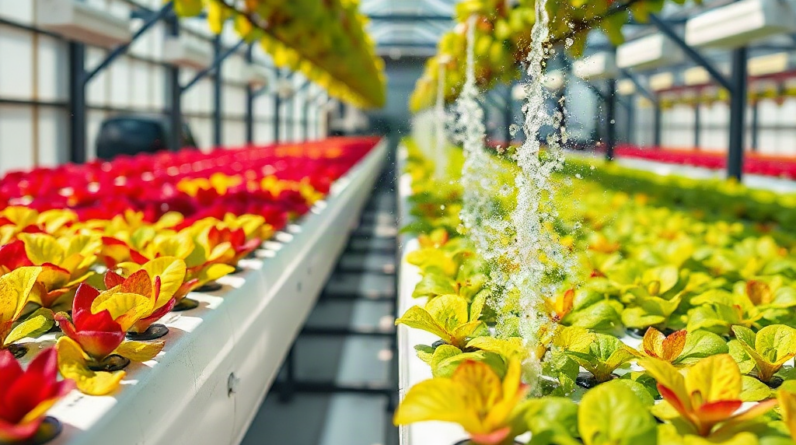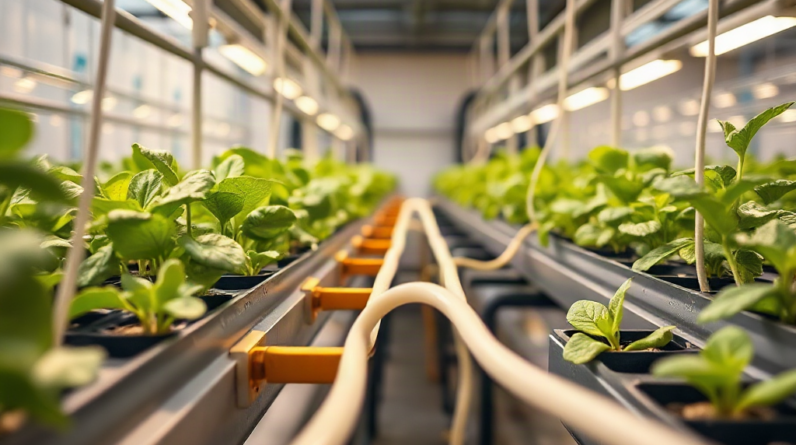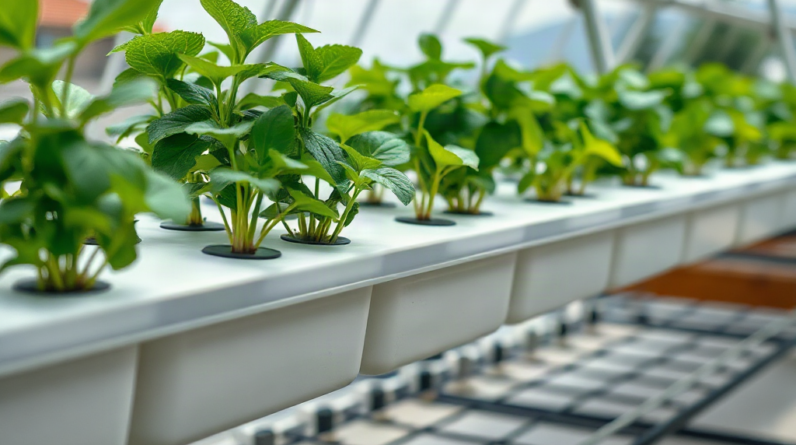
To effectively deal with water evaporation in hydroponics, cover water reservoirs with lids or floating covers to minimize exposure to air and trap moisture. Utilizing humidity domes or misting systems can also help maintain a stable microenvironment around your plants, reducing evaporation rates. Regularly monitor temperature and humidity levels, as high temperatures can significantly increase evaporation. Incorporating water-retaining polymers into your growing medium can further enhance moisture retention, decreasing the frequency of water replenishment. Implementing these strategies will help conserve water and maintain optimal nutrient concentrations in your hydroponic system.
Understanding Water Evaporation in Hydroponics
Water evaporation is a critical concern in hydroponic systems as it can lead to nutrient concentration changes and stress on plants. When water evaporates, it not only reduces the available hydration for roots but can also alter the nutrient levels in the solution, potentially harming plant growth. Understanding this process is essential for effective management.
Hydroponic systems are often closed-loop environments, but factors like temperature, humidity, and air circulation can significantly impact evaporation rates. High temperatures can increase the rate of evaporation, while low humidity can exacerbate the issue. Recognizing these dynamics allows growers to implement targeted strategies to mitigate water loss.
Methods to Reduce Water Evaporation
There are several practical methods to reduce water evaporation in hydroponic systems. One effective approach is to cover water reservoirs with lids or floating covers. These barriers help trap moisture and reduce surface area exposure to air, significantly decreasing evaporation rates.
Another method is utilizing humidity domes or misting systems that maintain a higher humidity level around the plants. This creates a more stable microenvironment, which can minimize the water lost to evaporation. Additionally, incorporating water-retaining polymers in the substrate can help retain moisture longer, further reducing the need for frequent water replenishment.
Monitoring and Adjusting Environmental Factors
Effective management of environmental factors is crucial in controlling evaporation rates. Regularly monitoring temperature and humidity levels allows growers to make necessary adjustments. For instance, if temperatures are high, cooling systems or fans can be employed to maintain ideal conditions.
Air circulation plays a significant role in evaporation as well. Proper ventilation can help reduce localized heat and humidity build-up, which can increase evaporation. Using oscillating fans can ensure even air distribution and help maintain stable conditions within the hydroponic setup.
Common Mistakes to Avoid
One common mistake hydroponic growers make is neglecting the impact of environmental factors on evaporation. Failing to monitor temperature and humidity can lead to rapid water loss and nutrient imbalances. Another error is overwatering, which can lead to increased evaporation from the surface of the growing medium.
Additionally, using inadequate covers or barriers for water reservoirs can result in unnecessary evaporation. It’s important to ensure that all measures taken to reduce evaporation are regularly evaluated and adjusted according to plant growth and environmental changes.
Frequently Asked Questions
What causes high water evaporation in hydroponics?
High temperatures and low humidity levels are the primary factors that contribute to increased water evaporation in hydroponic systems.
How can I measure evaporation rates in my system?
Using a simple water level gauge in your reservoir can help you track changes in water levels over time, indicating evaporation rates.
Is it necessary to cover water reservoirs?
Yes, covering water reservoirs can significantly reduce evaporation by limiting exposure to air and maintaining humidity levels.
What role does air circulation play in evaporation?
Good air circulation helps to maintain stable temperatures and humidity levels, reducing localized heat that can accelerate evaporation.
Can I use misting systems to control evaporation?
Yes, misting systems can help maintain higher humidity levels around plants, effectively reducing evaporation rates in hydroponic setups.
Further Reading
Authoritative Sources
Conclusion
Managing water evaporation in hydroponics is essential for maintaining nutrient balance and ensuring healthy plant growth. By implementing effective strategies such as covering reservoirs and monitoring environmental factors, growers can significantly reduce water loss. Avoiding common mistakes, such as neglecting humidity control and overwatering, is equally important. By prioritizing these practices, hydroponic gardeners can create a more stable and productive growing environment.