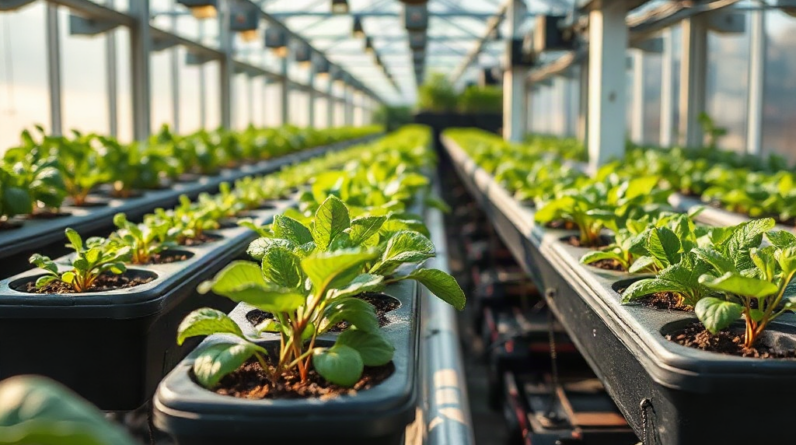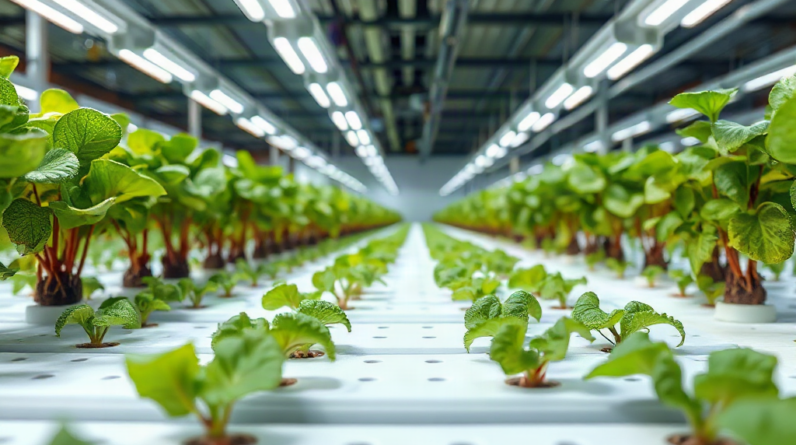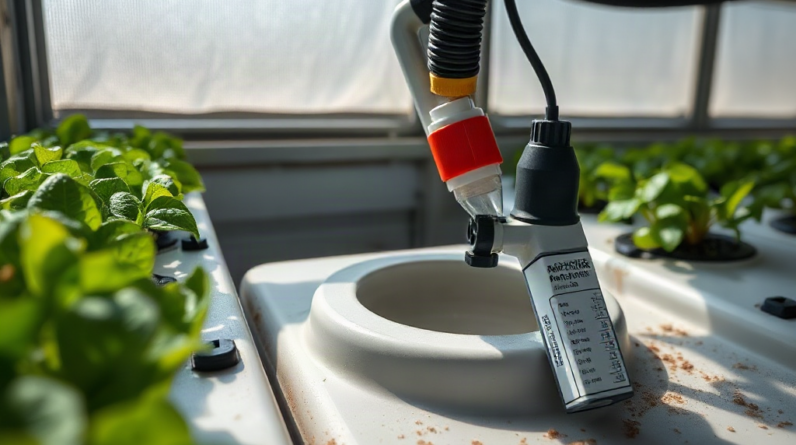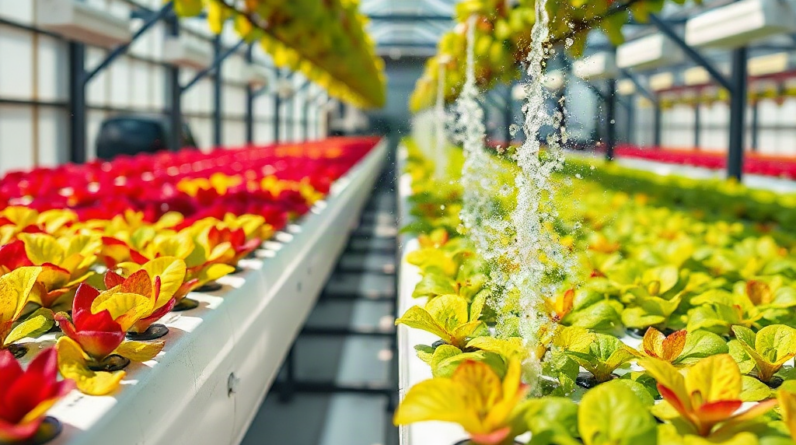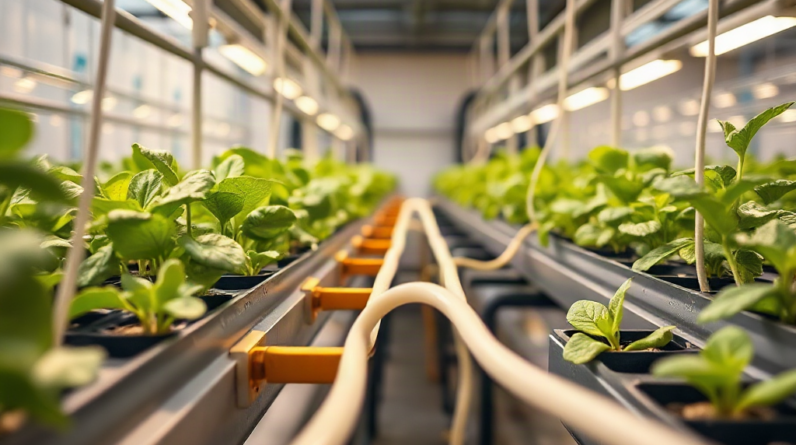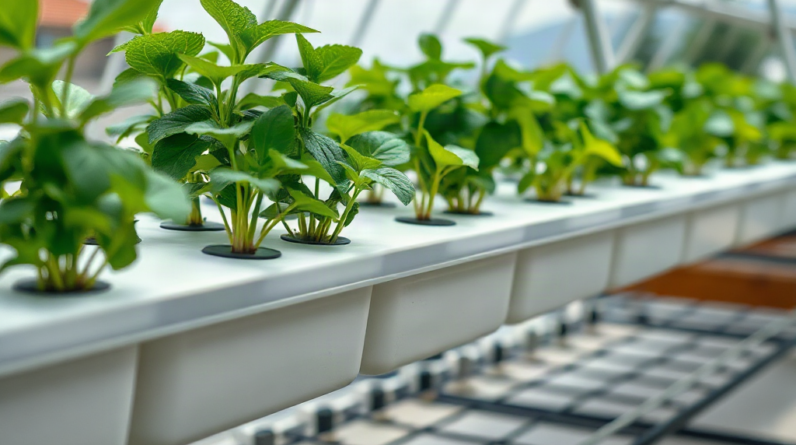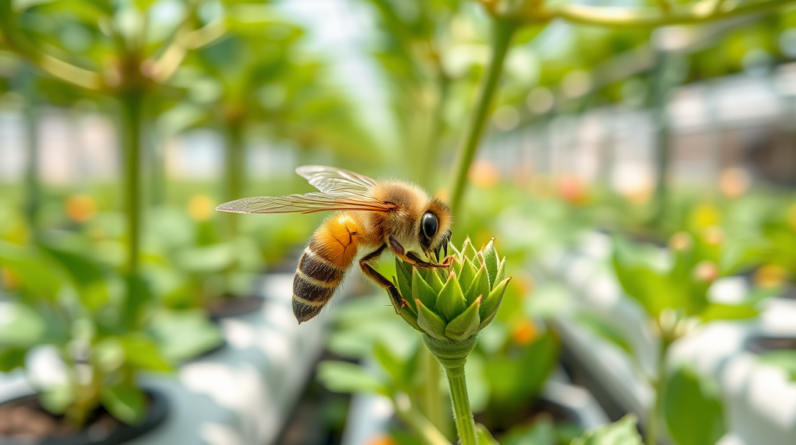
To ensure effective pollination in hydroponics, consider using hand pollination techniques, introducing pollinators like bumblebees, or employing vibrating devices that simulate the natural pollination process. Hand pollination can be particularly beneficial for crops such as tomatoes and peppers, where transferring pollen manually can significantly improve fruit set. Additionally, maintaining optimal humidity and temperature levels is essential, as low humidity can dry out pollen and reduce its viability. By creating a controlled environment and utilizing these methods, you can enhance fertilization rates and ultimately increase your crop yields.
Understanding Pollination in Hydroponics
Pollination is a critical process in hydroponics, especially for fruit-bearing plants. It involves the transfer of pollen from the male parts of a flower to the female parts, leading to fertilization and fruit development. In traditional gardening, natural pollinators like bees play a significant role, but in hydroponic systems, the absence of these pollinators necessitates alternative methods to ensure effective pollination. Understanding the unique challenges of pollination in a hydroponic setup is essential for achieving maximum yields.
Factors such as humidity, temperature, and the presence of male and female flowers significantly influence the pollination process. Optimal conditions can enhance the chances of successful fertilization, while adverse conditions can hinder it. For instance, low humidity can cause pollen to dry out, making it less viable for fertilization. Therefore, maintaining a controlled environment is crucial for effective pollination.
Methods for Effective Pollination
Several methods can be employed to ensure effective pollination in hydroponics. Hand pollination is one of the most straightforward techniques, especially for plants like tomatoes and peppers. This involves using a small brush or cotton swab to transfer pollen from the male flower to the female flower. This method requires diligence but can enhance fruit set significantly.
Another method is to introduce pollinators into the hydroponic environment. While this may seem impractical, certain small insects, like bumblebees, can thrive in controlled environments. These pollinators can help facilitate natural pollination processes, leading to better yields. Additionally, using vibrating devices that mimic the natural buzzing of bees can effectively disperse pollen without the need for live insects.
Tools to Facilitate Pollination
Utilizing the right tools can significantly enhance the efficiency of pollination in hydroponics. Hand pollination tools include soft brushes, cotton swabs, or even small paintbrushes, which can be used to transfer pollen. These tools allow for precise application, ensuring that pollen reaches the stigma of the female flowers.
Vibrating devices, often designed for agricultural use, can also be beneficial. These devices create vibrations that shake the flowers, helping to release pollen. Some hydroponic systems come equipped with such technology, but it can also be added to existing setups. Ensuring that the tools used are clean and sterile is essential to prevent any contamination that could affect plant health.
Common Mistakes to Avoid
One common mistake in hydroponic pollination is neglecting the environmental conditions. Failing to maintain optimal humidity and temperature can lead to poor pollen viability, which significantly impacts fruit set. It’s essential to monitor these conditions closely, especially during the flowering stage.
Another mistake is assuming that all plants require the same pollination method. Different species may have unique needs regarding pollination. For instance, some plants may benefit more from hand pollination, while others might thrive better with natural pollinators. Understanding the specific requirements of the plants being grown is crucial for optimizing pollination strategies.
Frequently Asked Questions
What is the best method for pollinating hydroponic plants?
Hand pollination is often the most effective method, especially for plants like tomatoes and peppers. Using a small brush to transfer pollen can enhance fruit set.
Do I need to introduce bees for pollination in hydroponics?
Introducing bees can be beneficial, but it is not always necessary. Many growers successfully use hand pollination or vibrating devices to achieve effective pollination.
How does humidity affect pollination in hydroponics?
Humidity plays a crucial role in pollen viability. Low humidity can cause pollen to dry out, reducing its effectiveness for fertilization.
What are common mistakes in hydroponic pollination?
Neglecting environmental conditions such as humidity and temperature is a common mistake. Additionally, not tailoring pollination methods to specific plant species can hinder success.
Can I use vibrating devices for pollination?
Yes, vibrating devices can effectively mimic the natural buzzing of bees, helping to release pollen without the need for live pollinators.
Further Reading
Authoritative Sources
- USDA – Pollination in Hydroponics
usda.govThis resource provides insights into the importance of pollination in various growing systems, including hydroponics
- University Extension – Hydroponic Pollination Techniques
extension.orgA comprehensive guide on different techniques for effective pollination in hydroponic systems
Conclusion
Effective pollination in hydroponics is essential for maximizing yields and ensuring the health of fruit-bearing plants. By understanding the methods available, utilizing the right tools, and avoiding common mistakes, growers can significantly enhance their chances of successful pollination. Whether through hand pollination, the introduction of pollinators, or the use of vibrating devices, the goal remains the same: to facilitate the transfer of pollen and support the thriving growth of plants in a controlled environment.