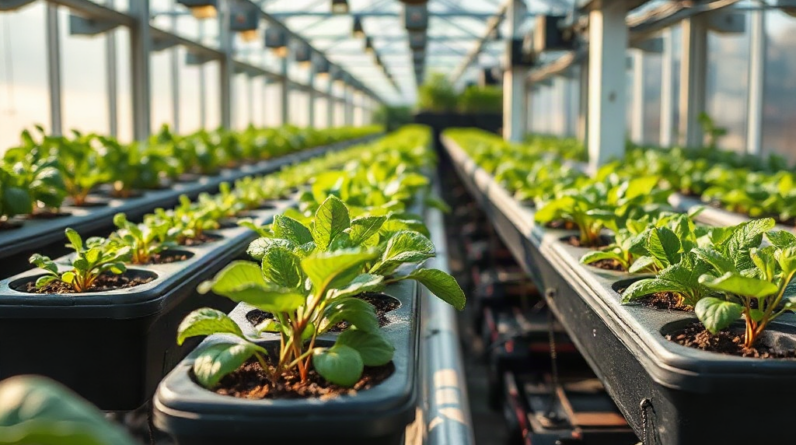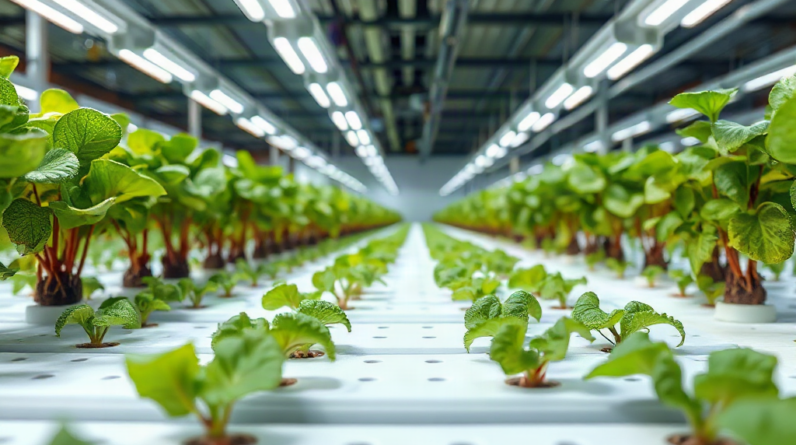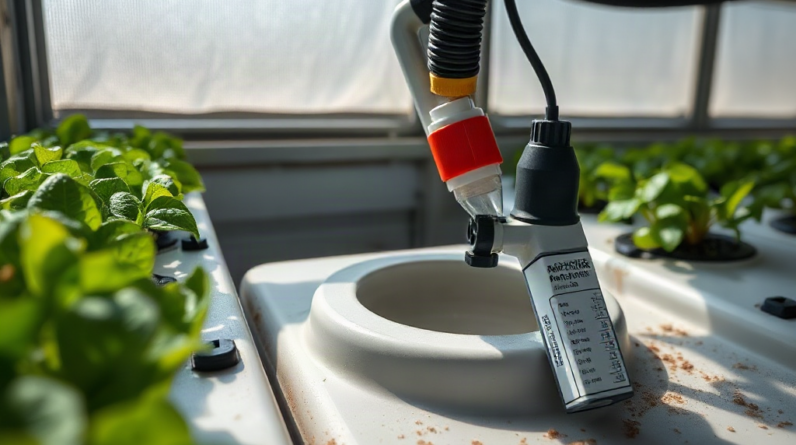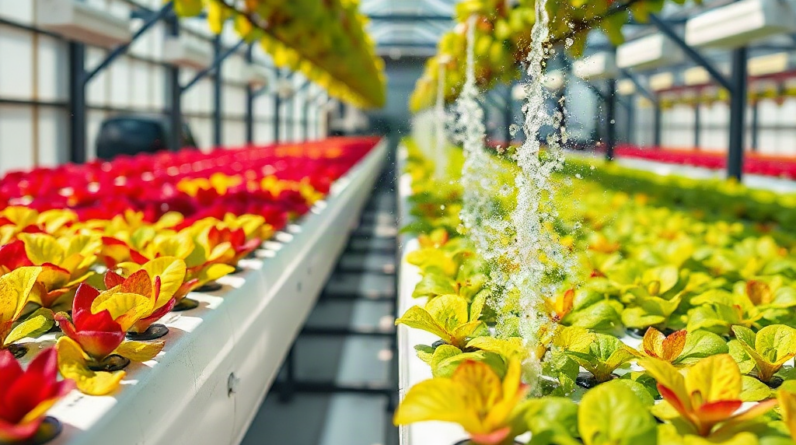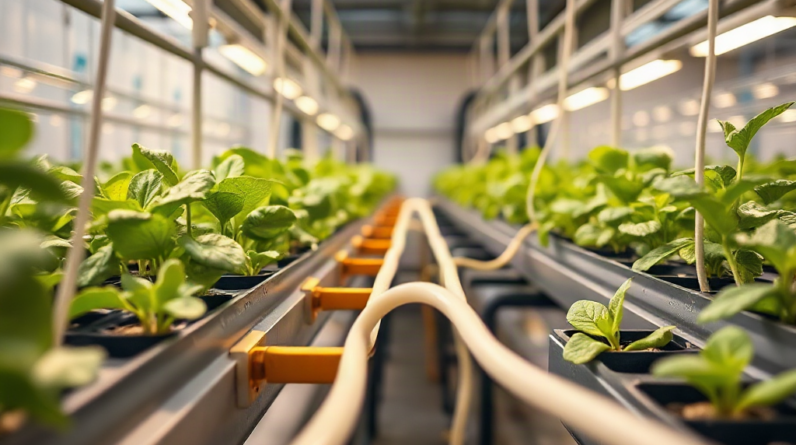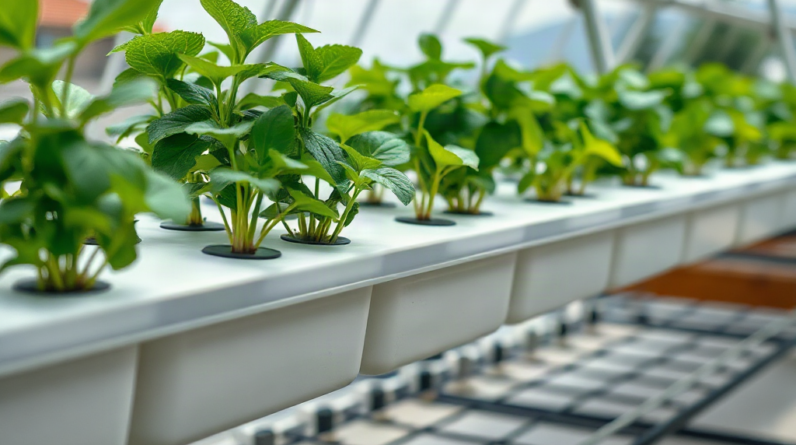
To ensure efficient water circulation in hydroponics, select a suitable pump that matches your system's requirements, such as flow rate and pressure. Maintaining optimal water levels is critical; too low can lead to insufficient nutrient delivery, while too high may cause overflow or stagnation. Using high-quality tubing and fittings minimizes leaks and blockages, promoting a steady flow of nutrient-rich water. Regularly checking and cleaning your system helps prevent algae growth and sediment buildup, which can hinder circulation.
Understanding Water Circulation in Hydroponics
Efficient water circulation is a cornerstone of successful hydroponic gardening. It ensures that plants receive the necessary nutrients and oxygen, crucial for their growth and development. In hydroponics, water circulation systems facilitate the continuous movement of nutrient-rich water, preventing stagnation and ensuring roots have access to vital minerals. A well-optimized circulation system creates a stable environment that supports healthy plant growth.
The mechanisms behind effective water circulation involve the design and functionality of the system. For instance, systems like Deep Water Culture (DWC) rely on oxygenation techniques to enrich water with dissolved oxygen. This is vital because stagnant water can lead to conditions such as root rot, which can devastate a crop. By understanding the dynamics of water movement, growers can significantly enhance the efficiency of their systems.
Comparatively, traditional soil-based gardening often does not face the same circulation challenges, as soil naturally retains moisture and nutrients. However, hydroponic systems require careful management to avoid deficiencies and promote optimal growth. Real-world implications of poor water circulation can be severe, leading to crop failures and financial losses. Therefore, mastering water circulation techniques is essential for both novice and experienced growers alike.
Choosing the Right Pump for Your System
The selection of an appropriate pump is critical for ensuring efficient water circulation in hydroponic systems. Each hydroponic method—whether Deep Water Culture, Nutrient Film Technique, or Ebb and Flow—has unique requirements regarding water flow and pressure. For example, a DWC system may necessitate a robust submersible pump that can manage larger volumes of water, while an NFT system may benefit from a smaller, more precise pump that provides a steady, gentle flow.
When choosing a pump, it’s important to pay attention to specifications such as flow rate (measured in gallons per hour) and head height, which indicates how high the pump can lift water. Selecting a pump that aligns with your system’s needs not only enhances water circulation but also boosts energy efficiency and reduces operational costs.
Conversely, opting for an underpowered pump can lead to inadequate water delivery, resulting in nutrient deficiencies and poor plant health. By investing time in researching and selecting the right pump, growers can ensure a more resilient and productive hydroponic setup. The implications of this choice extend beyond immediate plant health—efficient pumps can lead to long-term sustainability and profitability in hydroponic operations.
Maintaining Optimal Water Levels
Maintaining optimal water levels is essential in hydroponic systems to ensure that plants have adequate access to nutrients while preventing root rot caused by overly saturated conditions. High water levels can suffocate roots, while low levels can starve them of necessary nutrients. Regular monitoring and adjustment of water levels are critical practices that can significantly influence plant health.
Implementing automation tools such as float valves can simplify water level management, ensuring consistency. These devices automatically refill the system as water evaporates, reducing the risk of human error. Additionally, understanding the evaporation rates in your environment—especially in warmer climates or under grow lights—can help growers maintain ideal conditions for plant growth.
In contrast, some growers may rely on manual checks, which can lead to inconsistent water levels and potential stress for plants. The implications of inadequate water management can lead to diminished crop yields and increased susceptibility to disease. Therefore, establishing a systematic approach to monitoring and maintaining water levels is pivotal for achieving robust hydroponic growth.
Using Tubing and Fittings Effectively
The tubing and fittings in a hydroponic system are vital components that influence overall water circulation efficiency. High-quality, appropriately sized tubing minimizes friction loss and helps maintain desired flow rates. When selecting tubing, the diameter is crucial; larger diameters reduce resistance, while smaller diameters may lead to clogs and decreased flow.
Proper fittings and connectors are equally important to prevent leaks and maintain system integrity. Regular inspections of connections can identify potential issues before they escalate, such as leaks that result in water loss and nutrient imbalances. For example, a slight leak in a connection can significantly reduce the amount of nutrient solution reaching the plants, leading to deficiencies over time.
In contrast, some systems may utilize less efficient materials that can degrade over time, leading to increased maintenance needs and potential system failures. Ensuring compatibility and proper installation of all components promotes seamless water flow throughout the system. The implications of effective tubing and fitting usage extend to reduced operational costs, minimized downtime, and healthier plants, ultimately contributing to a more productive hydroponic venture.
Regular Maintenance and Monitoring
Routine maintenance is crucial for keeping a hydroponic system operating efficiently. This involves regular cleaning of pumps, checking for clogs in tubing, and inspecting all components for wear or damage. A clean system is less likely to experience blockages, ensuring that water circulates freely and effectively.
Monitoring system performance is equally important. Regular checks on flow rates, water quality, and plant health can help identify issues early. For example, if plants start to show signs of stress or nutrient deficiencies, it may indicate underlying problems within the water circulation system that require immediate attention. Keeping a log of maintenance activities and observations can help growers identify patterns and prevent future issues.
On the other hand, neglecting maintenance can lead to significant problems, including system failure and crop loss. The implications of regular monitoring extend to long-term sustainability and productivity in hydroponic systems. By prioritizing maintenance, growers can ensure their systems remain efficient and capable of supporting healthy plant growth.
Frequently Asked Questions
What is the best pump for hydroponics?
The best pump for hydroponics depends on the system type; submersible pumps are great for DWC systems, while NFT systems need smaller, precise pumps.
How often should I check water levels?
Water levels should be checked daily, especially in warm conditions, to ensure plants have adequate access to nutrients.
What can cause water stagnation in hydroponic systems?
Water stagnation can result from insufficient pump power, clogged tubing, or improper system design, leading to poor plant health.
How can I prevent algae growth in my system?
To prevent algae growth, keep the system clean, minimize light exposure to water, and use opaque containers whenever possible.
What should I do if my plants show signs of nutrient deficiency?
If plants show signs of nutrient deficiency, check water circulation, nutrient levels, and ensure that there are no blockages in the system.
Conclusion
Efficient water circulation is vital for successful hydroponic gardening. By selecting the right pump, maintaining optimal water levels, using high-quality tubing, and conducting regular maintenance, growers can ensure that their plants thrive. Monitoring system performance and addressing issues promptly will lead to better nutrient absorption and healthier plants.
Further Reading
Authoritative Sources
- Walking Through a Simple DIY Hydro Setup
fifthseasongardening.comAs for water level, only the bottom 1/2 inch of the net pot needs to be in the water. Moisture will wick up to keep everything moist. Swimming ...
- Kratky's Non-circulating Hydroponics
instructables.comThe ratio I use is one gallon of nutrient water per head of lettuce--usually one month to six weeks. You can just start over with new seed once ...