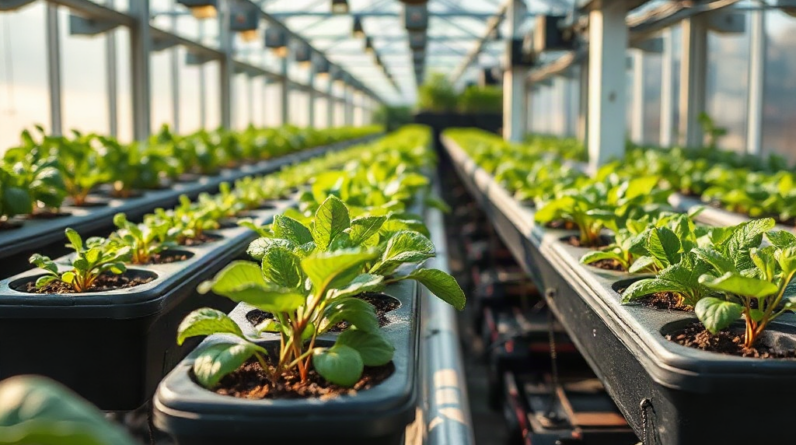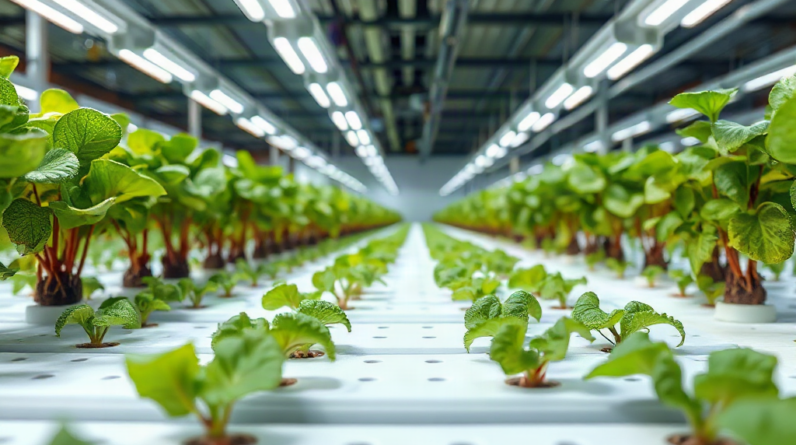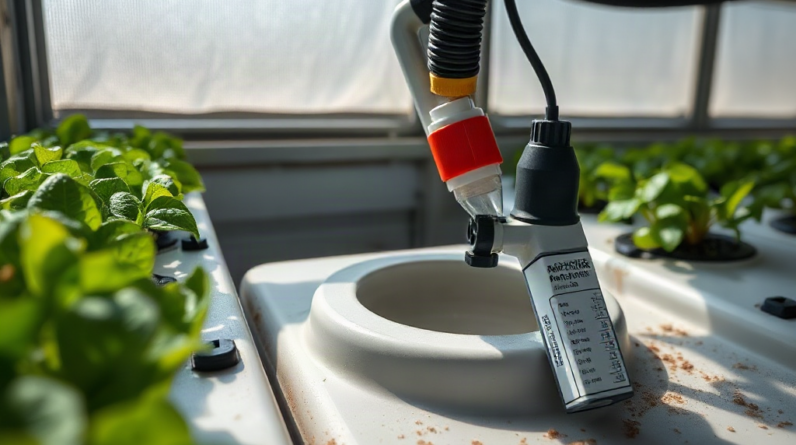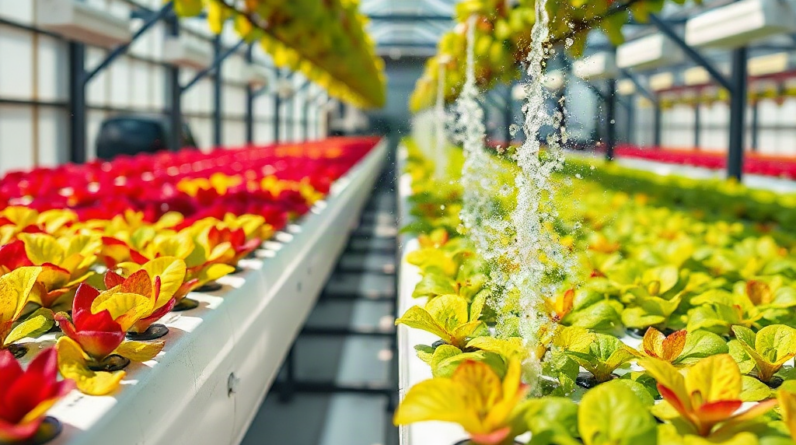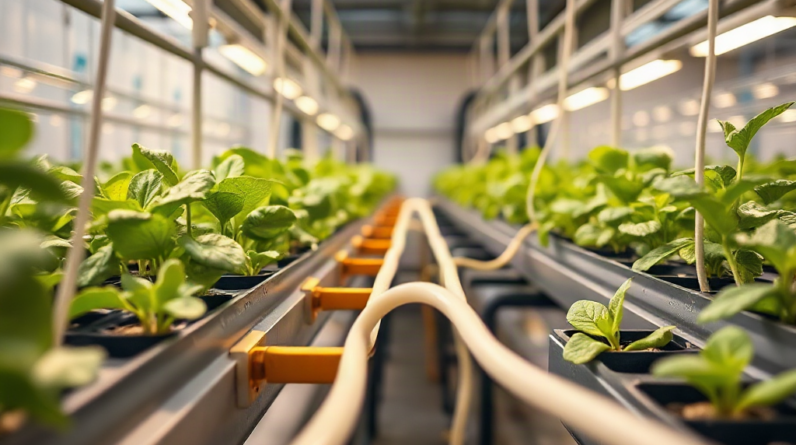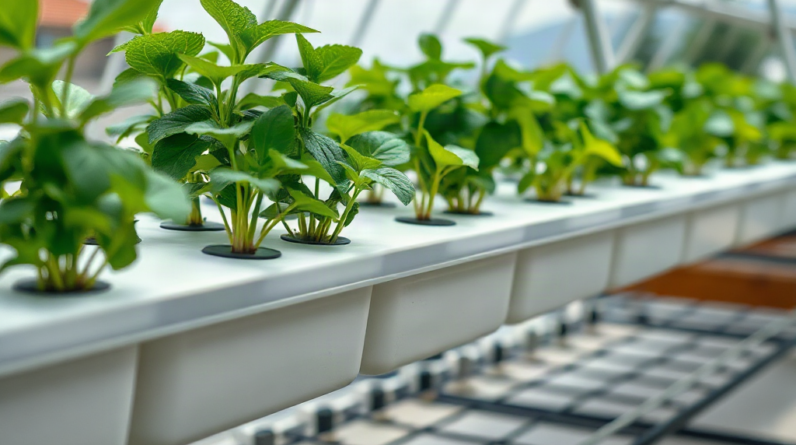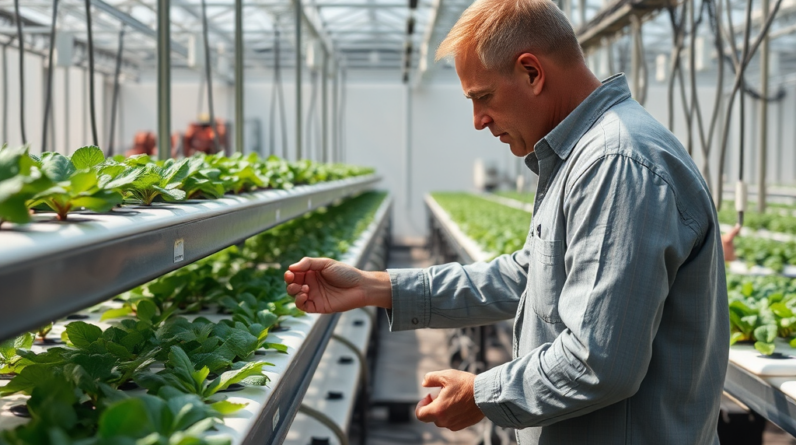
To evaluate hydroponic system efficiency, focus on key metrics such as nutrient uptake, water usage, and light utilization. Start by measuring how effectively your plants absorb nutrients and the amount of water consumed relative to growth. A common mistake is neglecting to analyze light exposure, which can significantly impact plant energy conversion. Regularly monitor these factors and adjust your system accordingly to enhance productivity and sustainability. By optimizing these elements, you can improve both yield and resource efficiency in your hydroponic setup.
Understanding Hydroponic System Efficiency
Hydroponic system efficiency refers to how well a hydroponic setup utilizes resources such as water, nutrients, and light to produce healthy plants. This efficiency is crucial as it directly impacts growth rates, yield, and sustainability. Evaluating this efficiency helps growers identify strengths and weaknesses in their systems, allowing for informed adjustments that enhance productivity.
Understanding the principles of hydroponic efficiency involves recognizing the balance between resource input and plant output. A well-optimized system minimizes waste and maximizes yield, ensuring that every unit of resource contributes to plant growth. This evaluation is essential not only for maximizing profit but also for promoting environmentally responsible practices.
Key Metrics for Evaluation
To effectively evaluate hydroponic system efficiency, several key metrics should be monitored:
- Nutrient Uptake: Measure how well plants absorb nutrients from the solution. This can be assessed by analyzing plant health and growth rates relative to nutrient concentrations.
- Water Usage: Track the amount of water consumed in relation to plant growth. Efficient systems use minimal water while maximizing yield.
- Light Utilization: Evaluate the amount of light your plants receive and how effectively they convert it into energy. Consider factors like light spectrum and duration.
- Growth Rate: Monitor the speed at which plants grow, which can indicate how well the system supports their needs.
By focusing on these metrics, growers can gain a comprehensive understanding of their hydroponic system’s performance and make necessary adjustments to improve overall efficiency.
Practical Methods to Measure Efficiency
Measuring hydroponic system efficiency involves both qualitative and quantitative methods. Start by conducting regular assessments of plant health through visual inspections and growth tracking. Document changes in leaf color, size, and overall vigor to identify potential issues.
Another method is to implement a nutrient management system that regularly tests the nutrient solution. This ensures that the concentrations are optimal for plant growth and can help identify deficiencies or excesses that could affect efficiency.
Additionally, consider using technology such as sensors and automated monitoring systems to track environmental conditions like pH, temperature, and humidity. These devices can provide real-time data, allowing for quick adjustments to maintain optimal conditions.
Common Pitfalls in Evaluation
When evaluating hydroponic system efficiency, several common pitfalls can hinder accurate assessments. One major mistake is relying solely on yield as a measure of success. While high yields are important, they do not always correlate with efficient resource use.
Another issue is neglecting to account for environmental factors that can influence plant growth. For instance, fluctuations in temperature or humidity can affect nutrient uptake and overall plant health, skewing evaluation results.
To avoid these pitfalls, maintain a holistic approach to evaluation that considers multiple metrics and environmental conditions. Regularly review and adjust your methods to ensure they align with the specific needs of your hydroponic crops.
Frequently Asked Questions
What is hydroponic system efficiency?
Hydroponic system efficiency measures how effectively a hydroponic setup uses resources like water, nutrients, and light to produce plant growth and yield.
How do I measure nutrient uptake in my hydroponic system?
Nutrient uptake can be measured by analyzing plant growth rates and health in relation to the nutrient concentrations in the solution, ensuring optimal levels for growth.
What are the best practices for optimizing water usage?
To optimize water usage, implement a closed-loop system, monitor water levels regularly, and ensure proper drainage to minimize waste.
How can light utilization be improved in hydroponics?
Light utilization can be improved by using the appropriate light spectrum for plant growth, ensuring adequate light duration, and positioning lights to minimize shadowing.
What common mistakes should I avoid when evaluating efficiency?
Avoid relying solely on yield as a success measure, neglecting environmental factors, and failing to consider multiple efficiency metrics for a holistic evaluation.
Further Reading
Authoritative Sources
- USDA National Institute of Food and Agriculture
nifa.usda.govResearch and extension resources related to agriculture, plants, soil, and food systems
- Extension Foundation Gardening Resources
extension.orgUniversity extension education resources for practical gardening and home agriculture topics
- USDA Natural Resources Conservation Service
nrcs.usda.govSoil, water, conservation, and land management resources for practical growing decisions
Conclusion
Evaluating hydroponic system efficiency involves understanding key metrics such as nutrient uptake, water usage, and light utilization. By employing practical methods to measure these factors and avoiding common pitfalls, growers can optimize their systems for better yield and resource management. Regular assessments and adjustments based on real-time data will ensure that your hydroponic setup remains efficient and productive.