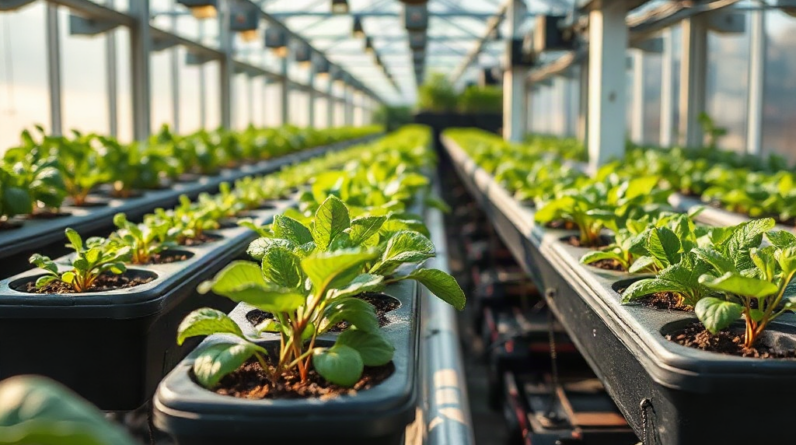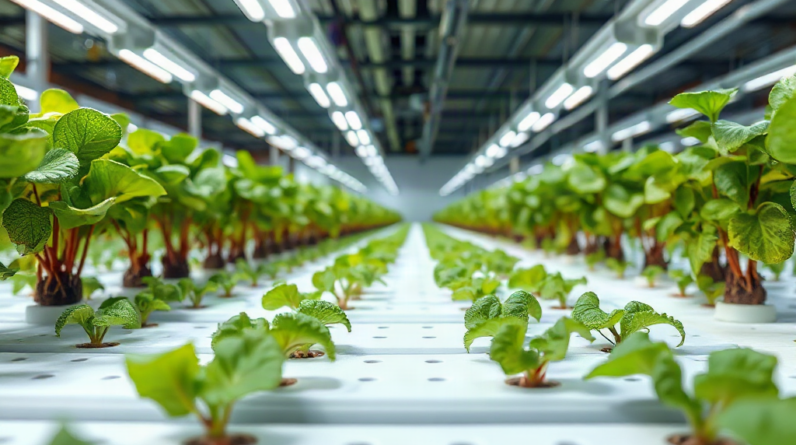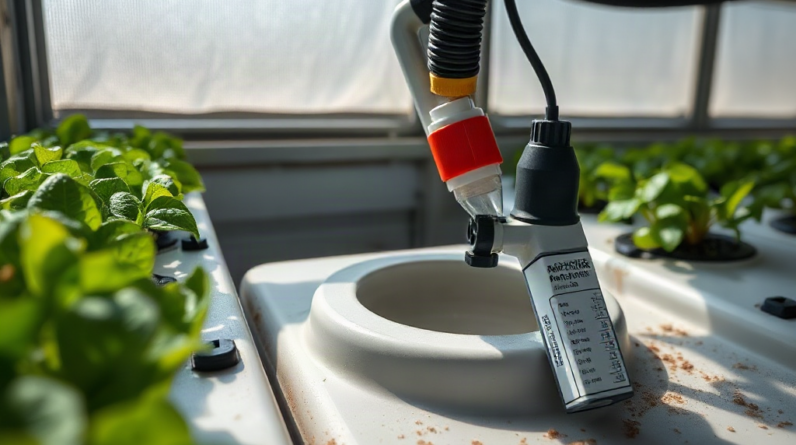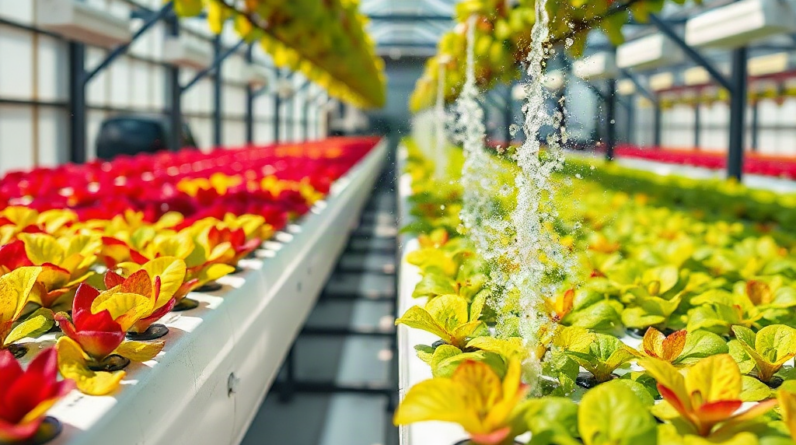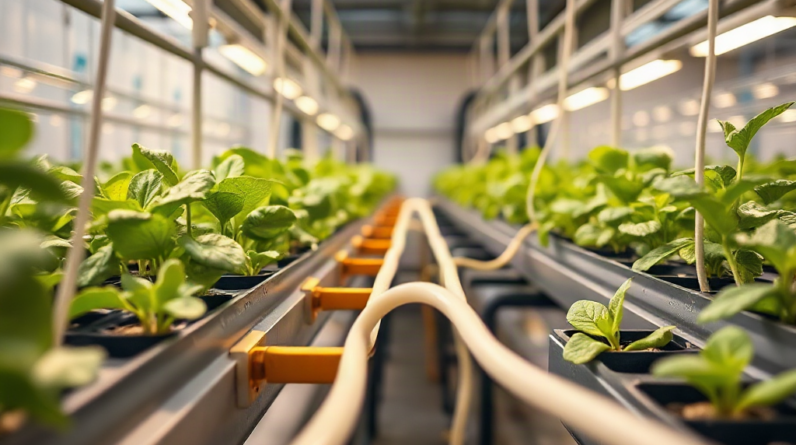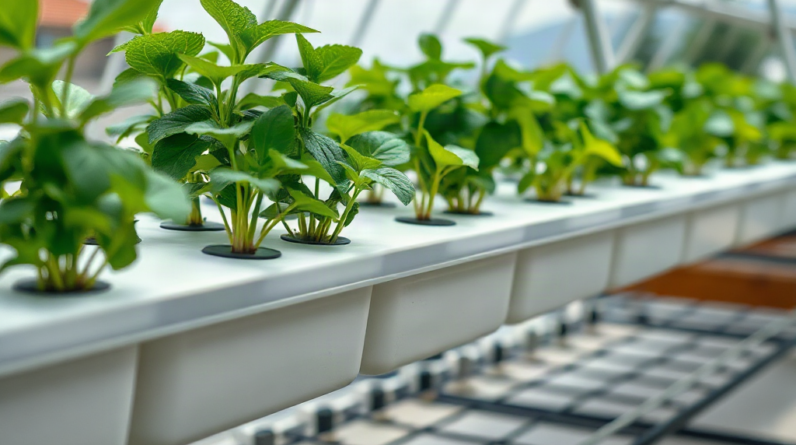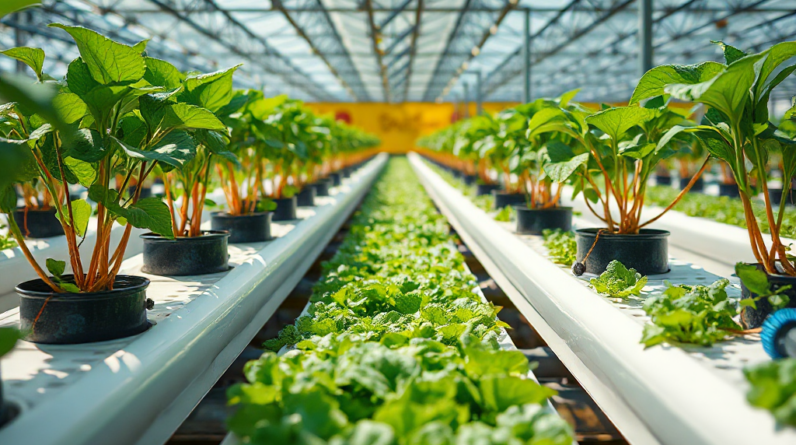
To evaluate the success of hydroponic crops, assess yield, plant health, and nutrient management. Begin by measuring the total weight or volume of harvested produce against expected outputs for the specific crop type. Regular visual inspections can help identify plant stress indicators, such as discoloration or stunted growth, while tools like chlorophyll meters can provide precise health metrics. Additionally, monitoring nutrient solution parameters, including pH and electrical conductivity, will ensure optimal nutrient uptake, directly impacting plant growth and yield. By systematically analyzing these metrics, growers can make informed adjustments to improve overall crop performance.
Understanding Yield Metrics
Yield is a primary indicator of the success of hydroponic crops, serving as the first point of evaluation. It is essential to measure the total weight or volume of produce harvested and compare it against the expected yield based on the crop type and growth conditions. High yields typically indicate effective nutrient management, optimal environmental conditions, and successful plant growth.
To ensure accurate yield measurement, record data at regular intervals throughout the growing cycle. This allows for trend analysis and identification of factors that may influence productivity, such as nutrient availability or light exposure. Additionally, comparing yields across different crops can provide insights into which varieties perform best under specific hydroponic conditions.
Assessing Plant Health
Plant health is critical in evaluating hydroponic crop success, as it reflects the overall vigor and resilience of the plants. Regular visual inspections can reveal signs of stress, such as yellowing leaves, stunted growth, or pest infestations. Healthy plants typically exhibit vibrant foliage, robust stems, and consistent growth patterns.
In addition to visual assessments, employing tools such as chlorophyll meters can help quantify plant health more accurately. These devices measure chlorophyll content, providing insights into photosynthetic efficiency. Monitoring growth rates and comparing them against expected benchmarks allows growers to identify potential issues early and adjust care practices accordingly.
Nutrient Management and Uptake
Nutrient management is another crucial aspect of evaluating hydroponic crop success. Proper nutrient uptake ensures that plants receive the necessary elements for growth, directly influencing yield and health. Monitoring the nutrient solution’s pH and electrical conductivity (EC) levels is essential for maintaining optimal nutrient availability.
Regular testing of nutrient solutions helps identify imbalances or deficiencies, allowing growers to adjust formulations as needed. Keeping accurate records of nutrient applications and crop responses can also facilitate better decision-making in future growing cycles. A common mistake is assuming that all plants require the same nutrient concentrations; however, different crops have unique needs that should be addressed to optimize performance.
Environmental Factors and Their Impact
Environmental conditions play a significant role in the success of hydroponic crops. Factors such as temperature, humidity, light intensity, and airflow significantly influence plant growth and health. Monitoring these parameters helps identify optimal growing conditions and potential stressors that could hinder crop performance.
For instance, maintaining a consistent temperature range is vital for enzymatic activity and nutrient absorption. High humidity levels can foster disease, while inadequate airflow can lead to poor pollination and increased pest issues. Utilizing environmental sensors can aid in real-time monitoring, allowing for immediate adjustments to maintain ideal conditions.
Frequently Asked Questions
What are the key metrics to evaluate hydroponic crops?
The key metrics include yield, plant health, and nutrient uptake efficiency, which provide insights into overall crop performance.
How can I measure the yield of my hydroponic crops?
Measure the total weight or volume of harvested produce and compare it against expected yields for your specific crops.
What signs indicate poor plant health in hydroponics?
Signs include yellowing leaves, stunted growth, and visible pests, which can suggest nutrient imbalances or environmental stress.
How do I ensure proper nutrient management in hydroponics?
Regularly test the nutrient solution's pH and EC levels, adjust formulations as needed, and keep detailed records of nutrient applications.
What environmental factors should I monitor in hydroponic systems?
Monitor temperature, humidity, light intensity, and airflow to maintain optimal growing conditions and prevent plant stress.
Further Reading
Authoritative Sources
- USDA: Hydroponic Farming
usda.govProvides comprehensive guidelines and resources for successful hydroponic farming practices
- National Extension: Hydroponics
extension.orgA collection of research-based resources and articles on hydroponic systems and practices
- NCBI: Plant Nutrient Uptake
ncbi.nlm.nih.govResearch articles and studies on plant nutrition and its impact on growth in hydroponics
Conclusion
Evaluating the success of hydroponic crops requires a multifaceted approach that includes assessing yield, plant health, and nutrient management. By focusing on these key areas, growers can gain valuable insights into their crop performance and make informed decisions for future cycles. Regular monitoring of environmental factors also plays a crucial role in maintaining optimal growth conditions. Ultimately, a proactive approach to evaluation will lead to more successful hydroponic farming outcomes.