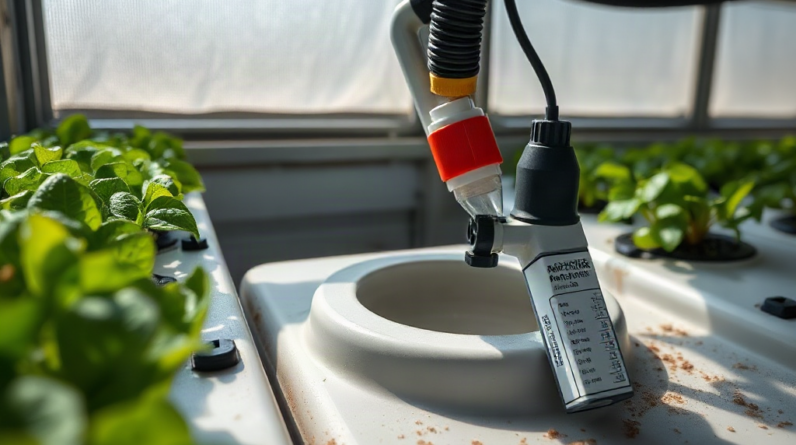
To fix nutrient imbalances in hydroponic systems, begin by testing the nutrient solution for pH and electrical conductivity (EC) levels, as these factors significantly influence nutrient availability. Aim for a pH range of 5.5 to 6.5, which is optimal for most crops. If imbalances are detected, adjust nutrient concentrations accordingly, ensuring that each essential nutrient is present in the correct ratio. Regularly inspect your plants for symptoms like leaf discoloration or stunted growth, as early detection allows for timely adjustments. Implementing a consistent monitoring routine can help prevent future imbalances and promote healthier plant development.
Understanding Nutrient Imbalances
Nutrient imbalances in hydroponic systems occur when plants receive an incorrect ratio of essential nutrients. These imbalances can stem from various factors, including improper pH levels, inadequate nutrient solutions, or environmental conditions. Understanding the specific nutrients that plants require is crucial since each nutrient plays a unique role in plant growth and development.
The primary macronutrients include nitrogen, phosphorus, and potassium, while essential micronutrients include iron, manganese, and zinc. A deficiency or excess of any one nutrient can disrupt the plant’s ability to absorb others, leading to a cascade of growth issues. Monitoring and adjusting nutrient levels is vital for maintaining optimal plant health and productivity.
Symptoms of Nutrient Imbalances
Identifying nutrient imbalances early is essential for effective intervention. Common symptoms include leaf discoloration, stunted growth, and abnormal leaf shapes. For example, nitrogen deficiency often manifests as yellowing leaves, particularly older foliage, while phosphorus deficiency can cause dark green or purplish leaves. Excessive nutrient levels may lead to leaf burn or necrosis.
Additionally, different plants exhibit symptoms uniquely; thus, knowing the specific signs for your crop can aid in rapid diagnosis. Regularly inspecting plants and monitoring growth can help catch these symptoms early, allowing for timely corrective actions.
Steps to Fix Nutrient Imbalances
To effectively address nutrient imbalances, start by testing the nutrient solution for pH and electrical conductivity (EC) levels. Ideal pH levels typically range from 5.5 to 6.5 for most hydroponic crops. If the pH is outside this range, adjust it using pH up or down solutions. Next, test the EC to determine the concentration of nutrients in the solution. An EC reading that is too low indicates a nutrient deficiency, while a high reading suggests an excess.
Once the imbalances are identified, adjust the nutrient solution accordingly. For deficiencies, add the necessary nutrients based on the plant’s growth stage. For excesses, consider diluting the solution with water or replacing it entirely. Regularly monitoring and adjusting these parameters will help maintain a balanced nutrient environment.
Preventing Future Imbalances
Preventing nutrient imbalances is often more effective than addressing them after they occur. Implement a regular monitoring schedule to check pH and EC levels, as well as the overall health of the plants. Additionally, ensure that the nutrient solution is properly formulated for the specific stages of plant growth. Adjustments may be necessary as plants mature and their nutrient requirements change.
Maintaining clean equipment and ensuring that water quality is optimal can also help prevent imbalances. Contaminated water can introduce pathogens and disrupt nutrient uptake. Regular system maintenance, including flushing the system periodically, will contribute to a healthier growing environment.
Frequently Asked Questions
What causes nutrient imbalances in hydroponic systems?
Nutrient imbalances can result from incorrect pH levels, inadequate nutrient solutions, or environmental factors like temperature and light.
How can I identify nutrient imbalances in my plants?
Look for symptoms such as leaf discoloration, stunted growth, and abnormal leaf shapes, which can indicate specific nutrient deficiencies or excesses.
What is the ideal pH range for hydroponic systems?
The ideal pH range for most hydroponic crops is between 5.5 and 6.5, which facilitates optimal nutrient absorption.
How often should I test my nutrient solution?
Testing should be done regularly, ideally every week, to ensure that nutrient levels remain balanced and within the desired pH range.
Can I fix nutrient imbalances quickly?
Yes, by promptly testing and adjusting the nutrient solution based on the identified imbalances, you can correct issues quickly and prevent further damage to your plants.
Further Reading
Authoritative Sources
- Hydroponics.org
hydroponics.orgThis source provides comprehensive information on hydroponic practices and nutrient management
- Nutrition.gov
nutrition.govAn excellent resource for understanding plant nutrition and nutrient requirements
- Extension.org
extension.orgOffers research-based information to help with crop production and nutrient management
Conclusion
Nutrient imbalances in hydroponic systems can significantly impact plant health and productivity. Regular monitoring of pH and nutrient levels is essential for early detection and correction of these issues. By understanding common symptoms and implementing effective corrective measures, growers can maintain optimal growing conditions. Prioritize preventive practices to minimize the risk of imbalances in the future, ensuring a thriving hydroponic environment.