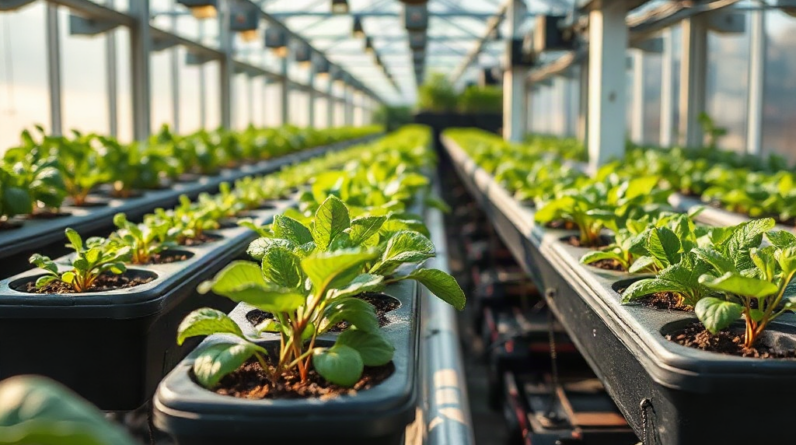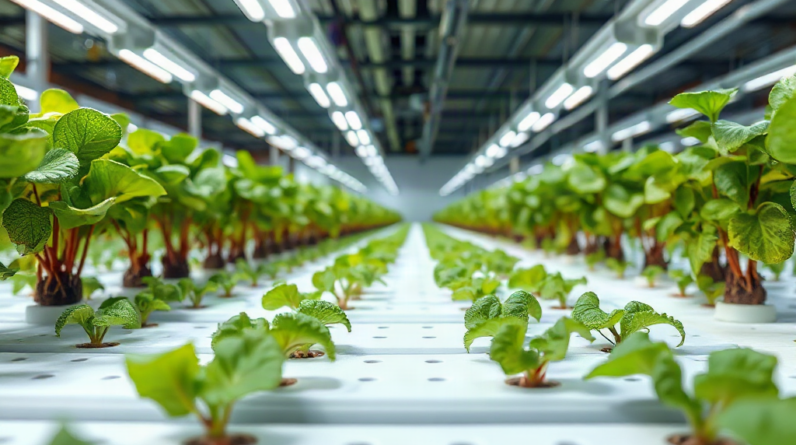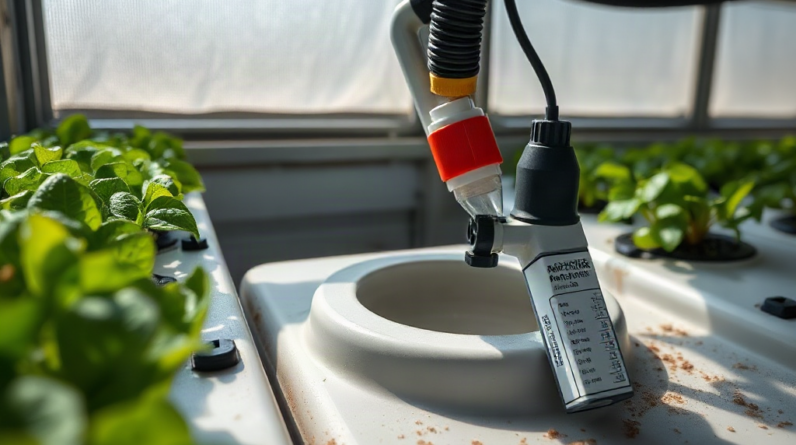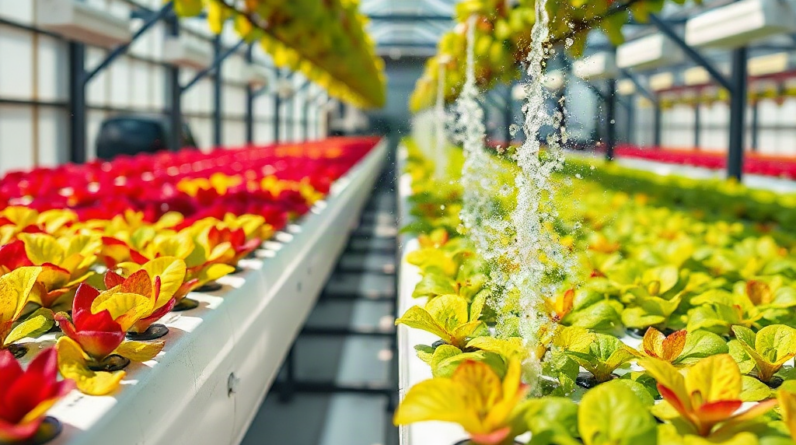
To identify pests in hydroponic systems, closely monitor your plants for specific signs such as yellowing leaves, webbing, and stunted growth. Common pests like aphids and spider mites can cause significant damage, so look for clusters of insects or fine webs, particularly on the undersides of leaves. Regular visual inspections and the use of sticky traps can enhance early detection, allowing for timely interventions. If you notice sticky residue or leaf drop, these may indicate a severe infestation requiring immediate action. Implementing a proactive monitoring routine can help maintain plant health and prevent crop losses.
Common Pests in Hydroponic Systems
Understanding which pests are prevalent in hydroponic systems is crucial for effective management. Common pests include aphids, spider mites, whiteflies, and thrips, all of which thrive in the nutrient-rich environment of hydroponics. Each pest has unique characteristics and behaviors that can impact plant health and yield.
Aphids are small, soft-bodied insects that often cluster on new growth, sucking sap and causing leaves to curl. Spider mites, although not insects, are tiny arachnids that create fine webs, particularly under leaves, and can cause significant damage by feeding on plant tissues. Whiteflies and thrips can also cause discoloration and stress in plants. Regular identification of these pests allows for timely intervention.
Signs and Symptoms of Infestation
Identifying the signs of pest infestations early can save your hydroponic garden. Look for symptoms such as yellowing leaves, stunted growth, and visible insects. Discoloration often indicates sap-sucking pests like aphids or whiteflies, while webbing suggests spider mites.
Another symptom to monitor is leaf drop, which can occur due to severe infestations. Sticky residue, known as honeydew, may also appear under infested plants, signaling aphid or whitefly presence. Observing these symptoms regularly can help in creating a proactive pest management plan.
Effective Identification Methods
To effectively identify pests in hydroponic systems, employ both visual inspection and the use of traps. Regularly check plants for physical signs of pests, especially the undersides of leaves where insects often hide. Handpicking visible pests can be effective for small infestations.
Using sticky traps can help capture flying pests like whiteflies and fungus gnats, providing a visual indication of pest levels. Additionally, consider using magnifying glasses or digital microscopes for a closer look at tiny pests like spider mites. Combining these methods increases the accuracy of pest identification and allows for timely responses.
Preventive Measures
Preventing pest infestations is more effective than dealing with them after they occur. Start by maintaining a clean growing environment, as debris and dead plant material can harbor pests. Regularly inspect plants and rotate crops to disrupt pest life cycles.
Introducing beneficial insects, such as ladybugs or predatory mites, can naturally control pest populations. Additionally, maintaining optimal growing conditions—like humidity and temperature—can reduce the likelihood of infestations. Taking proactive steps ensures your hydroponic system remains healthy and productive.
Frequently Asked Questions
What are the most common pests found in hydroponic systems?
The most common pests include aphids, spider mites, whiteflies, and thrips.
How can I tell if my plants are infested with pests?
Look for signs like yellowing leaves, webbing, or sticky residue on leaves.
What are effective methods for identifying pests?
Visual inspections and sticky traps are effective for identifying pests in hydroponic systems.
How can I prevent pest infestations in my hydroponic garden?
Maintain cleanliness, rotate crops, and introduce beneficial insects to prevent infestations.
What should I do if I find pests in my hydroponic system?
Isolate affected plants, remove pests manually, and consider using insecticidal soap or neem oil.
Further Reading
Authoritative Sources
- Integrated Pest Management in Hydroponics
extension.purdue.eduPurdue.eduThis resource provides comprehensive strategies for managing pests in hydroponic systems
- The Old Farmer's Almanac Pest Control
almanac.comOffers insights into various pests and their control methods
- Clemson Cooperative Extension Pest Management
clemson.eduA detailed guide on pest identification and management practices
Conclusion
Identifying pests in hydroponic systems is essential for maintaining healthy plants and maximizing yield. Regular monitoring for symptoms and using effective identification methods can help catch infestations early. Implementing preventive measures ensures your hydroponic garden remains resilient against pest pressures. By staying vigilant, you can protect your plants and enjoy a successful hydroponic growing experience.