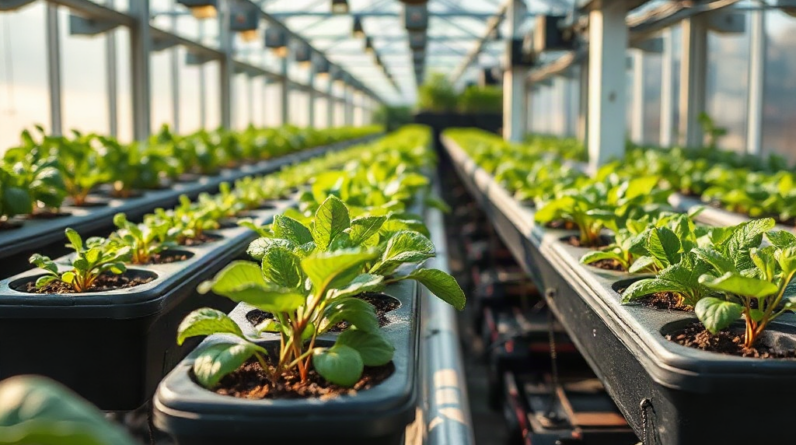
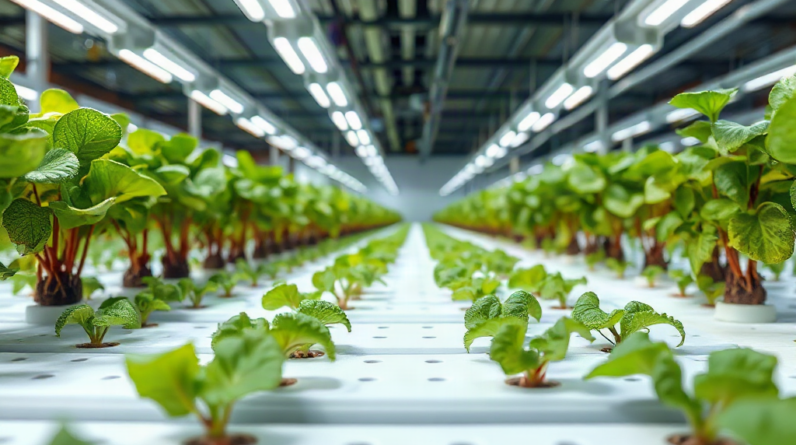
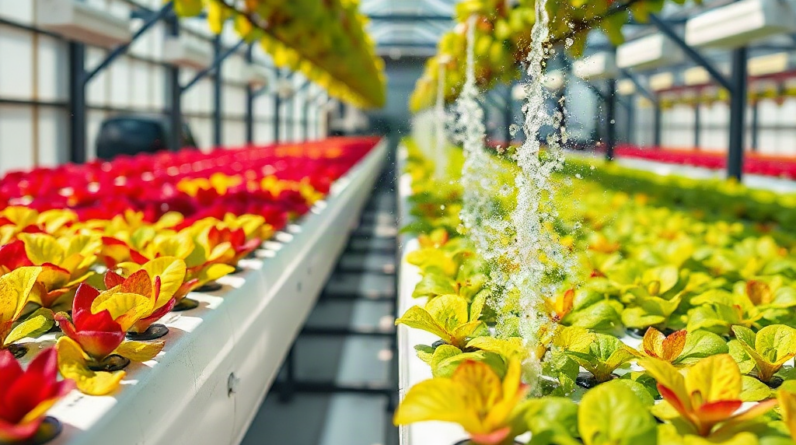
To improve flavor in hydroponic vegetables, focus on achieving the right nutrient balance and controlling environmental conditions. Essential nutrients like nitrogen, phosphorus, and potassium must be carefully monitored, as excess nitrogen can lead to bland produce. Additionally, optimizing light intensity during growth stages enhances sweetness and flavor. For instance, increasing light during the fruiting phase can boost sugar content, while cooler nighttime temperatures help retain these sugars. Selecting plant varieties known for their flavor can also make a significant difference, ensuring that your hydroponic harvest is not only abundant but also delicious.
Understanding Nutrient Balance
Nutrient balance is critical for enhancing the flavor of hydroponic vegetables. Essential nutrients, such as nitrogen, phosphorus, and potassium, play distinct roles in plant growth and taste. For example, an excess of nitrogen can lead to lush foliage but may dilute the flavor of the fruit or vegetable. Conversely, adequate phosphorus promotes root development and enhances flavor intensity.
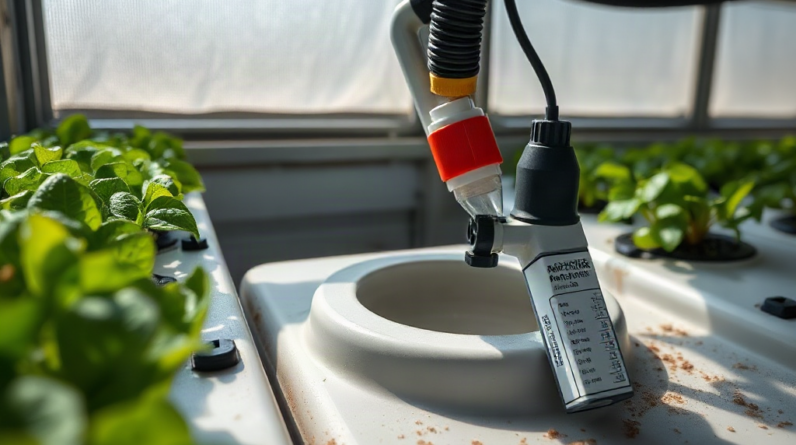
Regularly testing and adjusting your nutrient solution ensures that plants receive the correct amounts of each nutrient. This involves monitoring electrical conductivity (EC) and pH levels to keep them within optimal ranges. A common mistake is assuming that more nutrients always lead to better taste; however, over-fertilization can lead to nutrient burn and significantly affect flavor.
Environmental Factors Impacting Flavor
Environmental conditions such as light intensity, temperature, and humidity have a profound impact on the flavor of hydroponic vegetables. Adequate light promotes photosynthesis, which is crucial for flavor development. For instance, increasing light intensity during the fruiting stage can enhance sugar content, resulting in sweeter vegetables.
Temperature also plays a vital role. For example, cooler temperatures during the night can help retain sugars in fruits, enhancing their sweetness. On the other hand, excessive heat can cause stress, leading to less flavorful produce. Maintaining a stable environment with appropriate humidity levels helps prevent stress-related issues, promoting optimal flavor profiles.
Choosing the Right Varieties
Selecting plant varieties specifically bred for flavor can significantly improve the taste of your hydroponic vegetables. Some varieties are known for their superior flavor profiles, while others may prioritize yield over taste. For example, heirloom tomatoes are often preferred for their rich flavors compared to commercial hybrids.
When choosing varieties, consider factors such as local climate adaptability and growth habits. Engaging with local hydroponic communities or seed catalogs can provide insights into which varieties perform best in hydroponic systems. Additionally, experimenting with different varieties allows growers to identify which ones yield the best taste in their specific setup.
Harvesting Techniques for Better Taste
Harvesting techniques can also influence the flavor of hydroponic vegetables. Timing is crucial; vegetables should be harvested at their peak ripeness for optimal taste. For instance, harvesting leafy greens in the morning when they are crisp and hydrated can lead to better flavor compared to harvesting later in the day when they may have lost moisture.
Moreover, handling vegetables gently during harvest helps to maintain their integrity and flavor. Post-harvest treatments, such as proper washing and storage, can also affect taste. Avoiding prolonged exposure to light and heat during storage preserves flavor quality, ensuring that the vegetables reach consumers with their best taste intact.
Frequently Asked Questions
What nutrients are essential for enhancing flavor in hydroponic vegetables?
Nitrogen, phosphorus, and potassium are essential nutrients that influence flavor; balanced levels promote better taste.
How does light intensity affect the flavor of hydroponic vegetables?
Higher light intensity during fruiting stages can increase sugar content, enhancing sweetness in vegetables.
Can temperature impact the taste of hydroponic crops?
Yes, cooler nighttime temperatures help retain sugars in fruits, improving their flavor while excessive heat can cause stress.
What is the best time to harvest hydroponic vegetables for flavor?
Harvesting in the morning when vegetables are crisp and hydrated is ideal for optimal flavor.
Are there specific vegetable varieties known for better flavor?
Yes, heirloom varieties are often preferred for their rich flavors compared to commercial hybrids.
Further Reading
Authoritative Sources
- USDA National Institute of Food and Agriculture
nifa.usda.govResearch and extension resources related to agriculture, plants, soil, and food systems
- Extension Foundation Gardening Resources
extension.orgUniversity extension education resources for practical gardening and home agriculture topics
- USDA Natural Resources Conservation Service
nrcs.usda.govSoil, water, conservation, and land management resources for practical growing decisions
Conclusion
Improving flavor in hydroponic vegetables involves a multifaceted approach focusing on nutrient balance, environmental control, variety selection, and proper harvesting techniques. Prioritizing these aspects can lead to a more flavorful harvest that delights consumers. By adjusting nutrient solutions, managing environmental conditions, and carefully selecting varieties, growers can significantly enhance the taste of their hydroponic produce. Regular monitoring and adjustments will ensure that flavor remains a key focus in your hydroponic gardening efforts.