Many growers mistakenly assume that hydroponic systems can function without attention to pollination. However, without proper pollination, plants can produce fewer fruits or seeds, leading to disappointing yields. Factors like inadequate humidity levels, improper lighting, and insufficient airflow can hinder natural pollination processes, making it crucial for growers to implement strategies that address these challenges. Prioritizing mechanical methods and environmental controls can lead to improved results.
[smartvidpro_video]
Mechanical Pollination Techniques
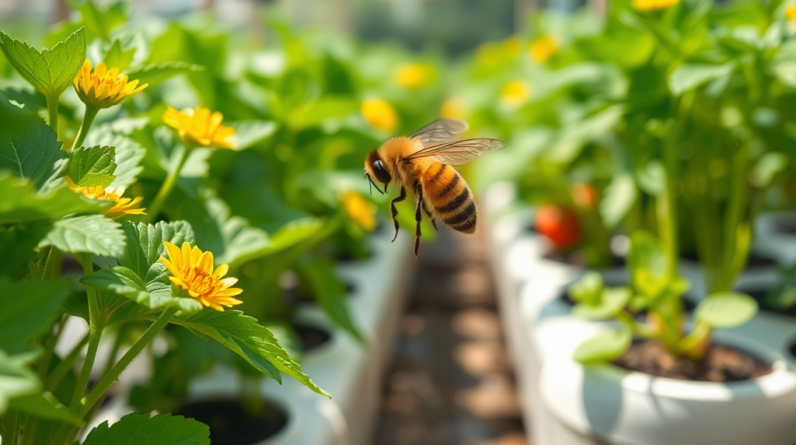
Mechanical pollination techniques are highly effective in hydroponic systems where natural pollinators may be absent. Methods such as hand pollination involve transferring pollen from the male to female parts of flowers using brushes or cotton swabs. Additionally, vibrating devices can mimic the action of bees and help release pollen more efficiently.
When using mechanical methods, timing is crucial. Pollination should ideally occur during the flowering stage when flowers are fully open. Regular monitoring of plants can help identify the right moments for intervention. Another common mistake is neglecting the cleanliness of tools used for pollination, which can introduce contaminants and affect plant health.
Optimizing Environmental Conditions
Creating optimal environmental conditions is vital for successful pollination in hydroponics. Factors such as humidity, temperature, and light play significant roles in encouraging flower development and pollen viability. Ideally, humidity levels should be maintained between 40% and 70%, while temperatures should range from 70°F to 80°F during the day.
Growers often overlook the importance of airflow, which can assist in pollen distribution. Fans can be used to improve air circulation, helping pollen reach flowers more effectively. Also, be cautious of excessive humidity, which can lead to mold and mildew issues, ultimately harming plant health and productivity.
Choosing the Right Plant Varieties
Selecting compatible plant varieties that thrive in hydroponic conditions is crucial for achieving optimal pollination results. Some plants are self-pollinating, while others require cross-pollination. Understanding the specific needs of each variety can help ensure better yields. For instance, tomatoes and peppers are popular hydroponic choices that benefit from mechanical pollination methods.
Additionally, consider the flowering patterns of different plants. Staggered planting can ensure that flowers are available for pollination over an extended period, maximizing the potential for fruit production. Avoid common pitfalls such as planting incompatible varieties together, which can hinder pollination efforts.
For those looking to dive deeper into the topic of hydroponic pollination, various authoritative sources can provide valuable insights into techniques and best practices.
Frequently Asked Questions
Authoritative Sources
The aim of this study is to analyze whether flower vibration, bumblebee pollination, or auxin spraying, can improve fruit production of early ...
Conclusion
Improving pollination in hydroponic systems requires a strategic approach that includes mechanical techniques, environmental optimization, and careful selection of plant varieties. By implementing these methods, growers can significantly enhance their yield and ensure that their plants thrive. Regular monitoring and adjustments based on plant needs will further improve success rates. Prioritize these strategies to maximize your hydroponic gardening efforts.
Further Reading
Authoritative Sources
- POLLINATION TECHNIQUES FOR THE IMPROVEMENT ...
researchgate.netThe aim of this study is to analyze whether flower vibration, bumblebee pollination, or auxin spraying, can improve fruit production of early ...
- 7 Ways to Increase Hydroponic Yield (That Actually Work)
growwithhydroponics.com1. Choose the Right Plants for Your System · 2. Go Vertical: Maximize Your Growing Space · 3. Group Compatible Crops by Chemistry · 4. Dial In ...
- Improving Pollination Under High Heat Conditions
growingproduce.comThe study indicates a foliar application of Stoller's X-Cyte increases the flower activity and fertility on most crops. To date, X-Cyte has been successfully ...