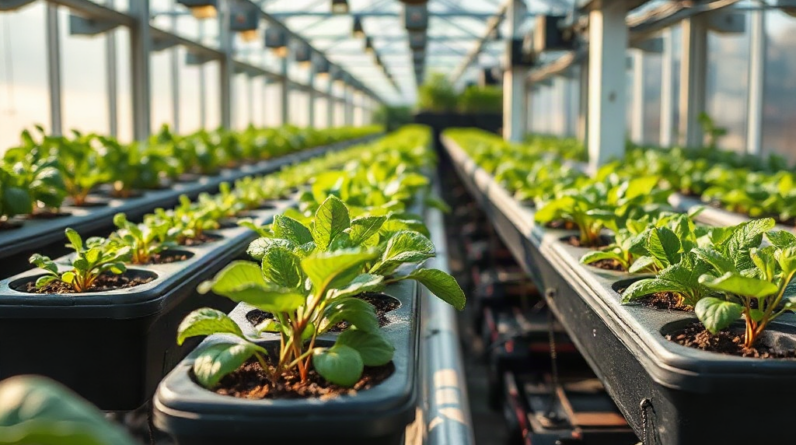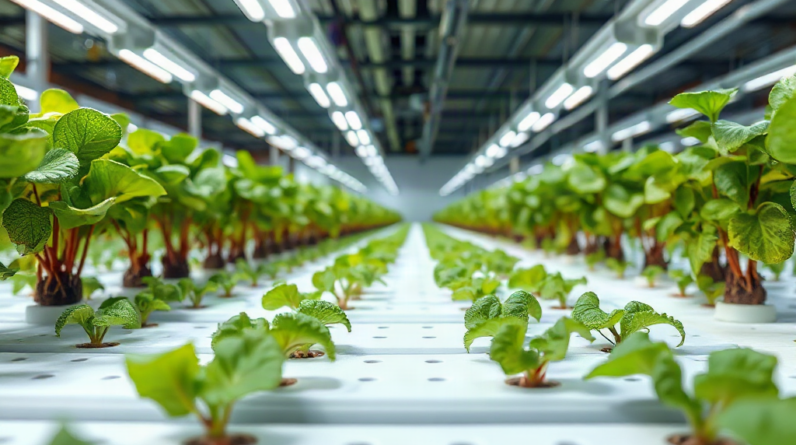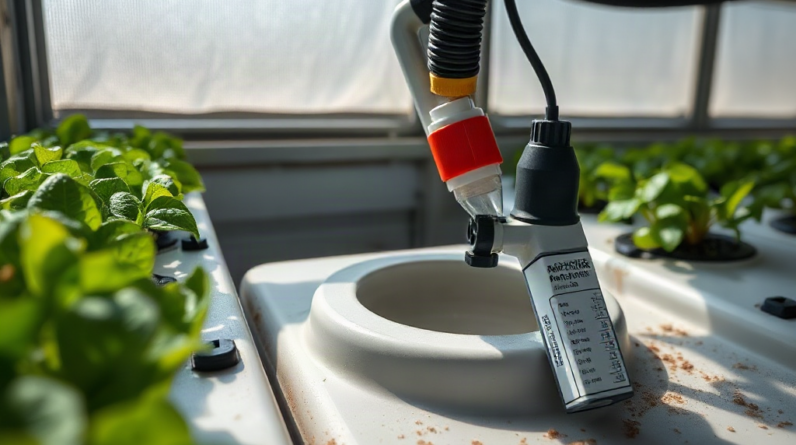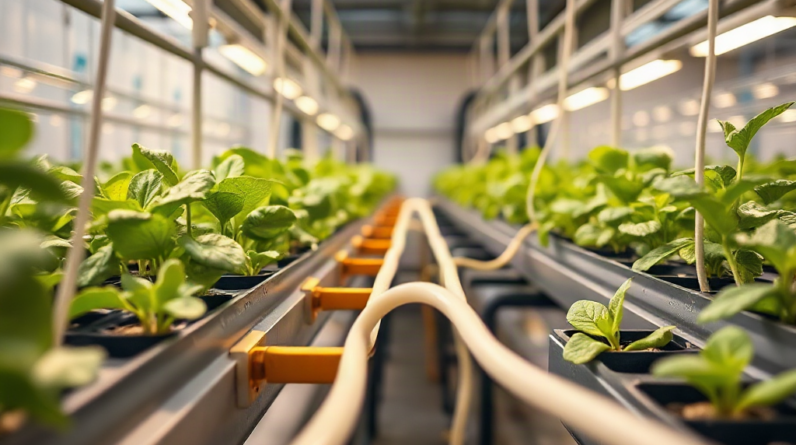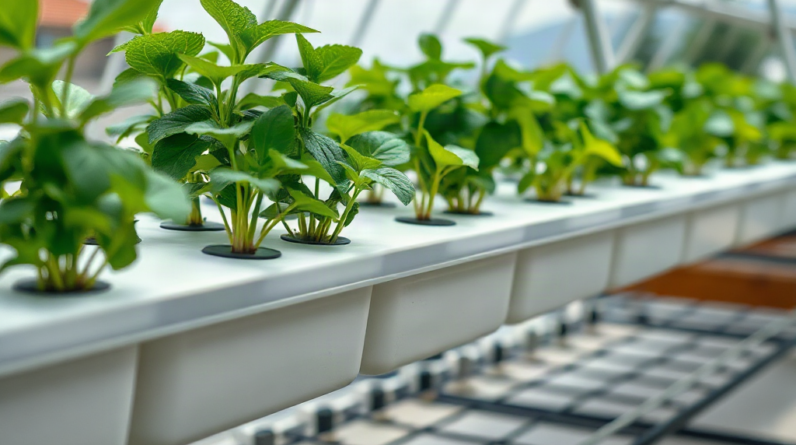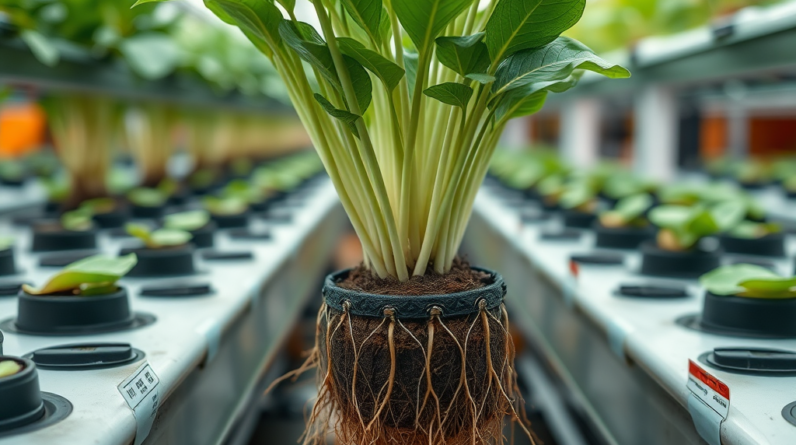
To improve root health in hydroponics, maintain a balanced nutrient solution, ensure adequate oxygenation, and control water temperature. Regularly testing the nutrient solution for macro and micronutrients is essential, as deficiencies can stunt root growth. Implementing air stones or diffusers can enhance oxygen levels in the water, preventing root rot. Additionally, keeping water temperatures between 65°F and 75°F is crucial, as extremes can stress roots and promote disease. By addressing these factors, you can foster a robust root system that supports healthy plant growth.
Understanding Nutrient Balance
Nutrient balance is crucial for root health in hydroponics. Plants require specific macro and micronutrients, such as nitrogen, phosphorus, potassium, calcium, and magnesium, to thrive. An imbalance can lead to deficiencies or toxicities, affecting root development. For instance, a lack of nitrogen can stunt root growth, while excess phosphorus can hinder the uptake of other essential nutrients.
To maintain a healthy nutrient balance, regularly test your nutrient solution and adjust it according to your plants’ growth stages. Use quality fertilizers designed for hydroponic systems and follow recommended mixing ratios. Monitoring the electrical conductivity (EC) and pH levels of your solution can help ensure optimal nutrient availability.
Importance of Oxygenation
Oxygenation is vital for root health, as roots need oxygen for respiration. In hydroponic systems, stagnant water can lead to low oxygen levels, resulting in root rot and poor plant health. Implementing techniques to enhance oxygenation can significantly improve root vitality.
Consider using air stones or diffusers in your nutrient reservoir to introduce air bubbles, increasing dissolved oxygen levels. Additionally, ensure that your hydroponic system has adequate drainage to prevent waterlogging. Regularly check for any blockages in your system that might restrict water flow and oxygen exchange.
Managing Water Temperature
Water temperature plays a significant role in root health. Ideally, hydroponic systems should maintain water temperatures between 65°F and 75°F (18°C to 24°C). Temperatures outside this range can stress roots and promote disease.
To manage water temperature, consider insulating your reservoir or using a water chiller if necessary. Regularly check the temperature, especially during extreme weather conditions, and adjust your system accordingly. Keeping water temperatures stable not only supports root health but also enhances nutrient uptake.
Common Mistakes to Avoid
Many hydroponic growers make mistakes that negatively impact root health. One common error is over-fertilizing, which can lead to nutrient burn and root damage. Always follow recommended guidelines and start with lower concentrations, gradually increasing as needed.
Another mistake is neglecting the importance of sanitation. Ensure that your system is clean to avoid pathogens that can compromise root health. Regularly disinfect your equipment and check for algae growth, which can compete for nutrients and oxygen.
Frequently Asked Questions
What are the signs of unhealthy roots in hydroponics?
Signs include brown or black roots, a foul odor, stunted growth, and yellowing leaves. These indicate potential root rot or nutrient issues.
How often should I check nutrient levels?
Check nutrient levels at least once a week, adjusting based on plant growth stages and any visible signs of deficiency or toxicity.
Can I use tap water in my hydroponic system?
Tap water can be used, but it's essential to test its pH and EC levels, as contaminants or high mineral content can harm your plants.
What is the best way to oxygenate my hydroponic system?
Using air stones, diffusers, or a water pump to create surface agitation are effective methods to enhance oxygenation in your system.
How do I prevent root rot in hydroponics?
Prevent root rot by maintaining optimal water temperatures, ensuring good oxygenation, and avoiding overwatering or stagnant water conditions.
Further Reading
Authoritative Sources
- Hydroponics World
hydroponicsworld.comThis source provides comprehensive information on hydroponic gardening techniques, including nutrient management and root health
- Gardening Know How
gardeningknowhow.comA reliable resource for understanding various gardening practices, including hydroponics and root health optimization
- Urban Ag News
urbanagnews.comOffers insights into modern agricultural practices, including techniques to improve hydroponic systems and plant health
Conclusion
Improving root health in hydroponics requires a holistic approach that involves managing nutrient balance, ensuring proper oxygenation, and controlling water temperature. By avoiding common mistakes and implementing effective techniques, you can foster a robust root system that supports overall plant health. Regular monitoring and adjustments will help you achieve the best results in your hydroponic gardening endeavors.