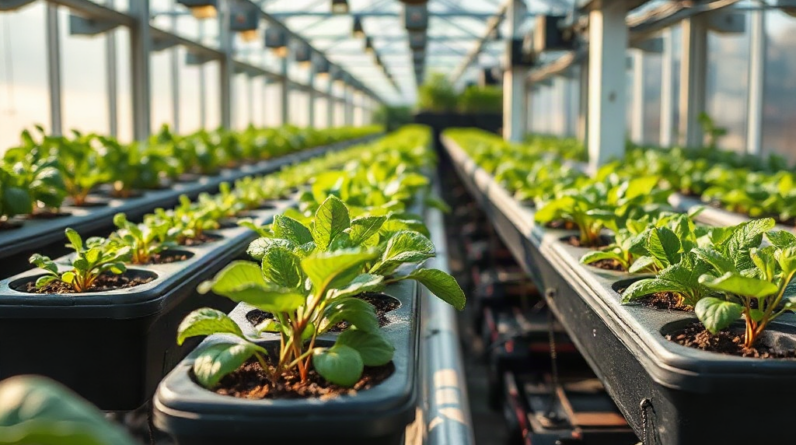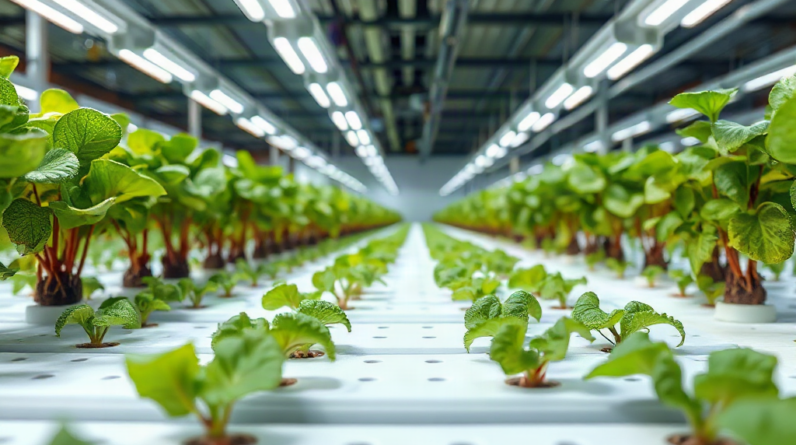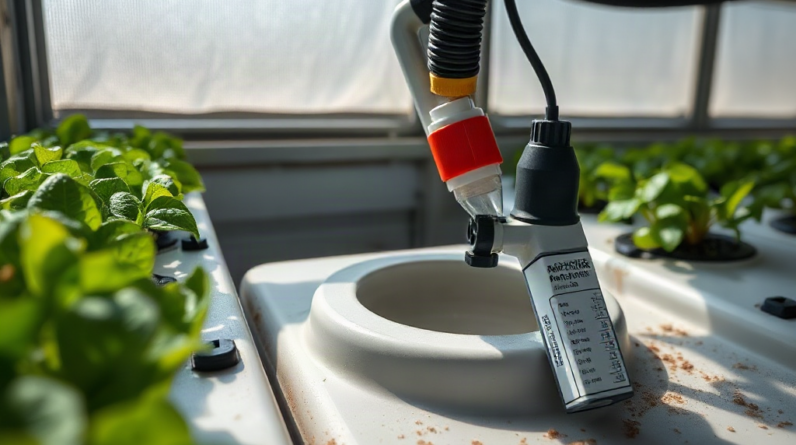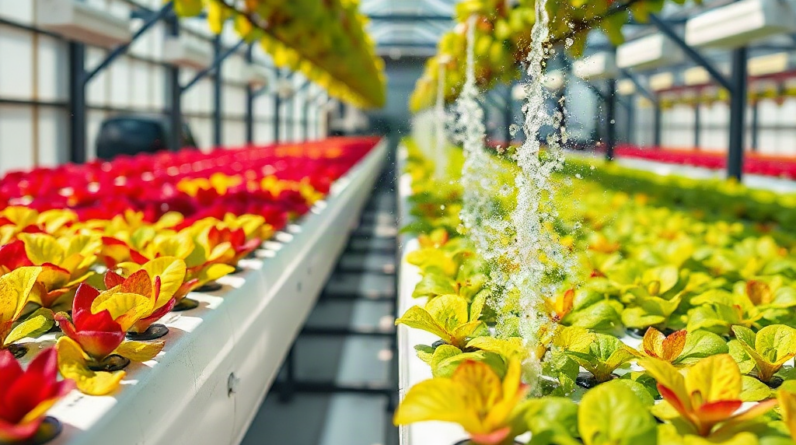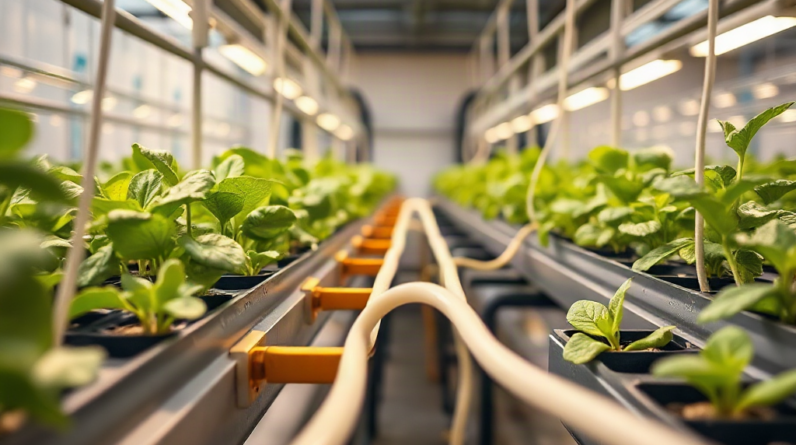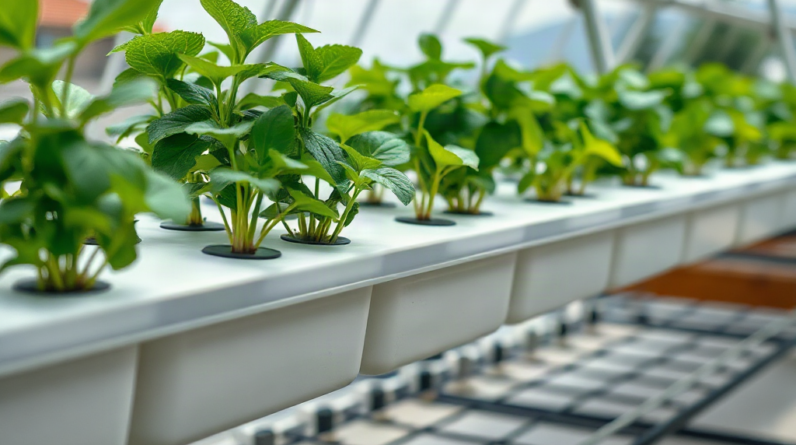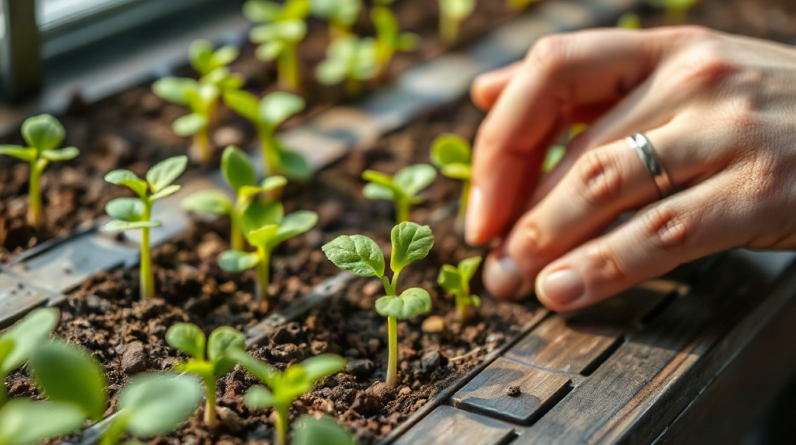
How to improve water retention in hydroponic systems starts with matching the reservoir, growing medium, irrigation cycle, and root-zone airflow to the crop’s actual demand. Use a covered, correctly sized reservoir, choose media that holds moisture without staying saturated, and adjust pump timing after checking runoff, reservoir level, temperature, and plant weight. Coco coir, rockwool, and blended media retain water differently, while heat, low humidity, blocked emitters, leaks, and excessive ventilation can increase losses. Avoid simply increasing irrigation frequency: constantly wet roots may lose oxygen and develop health problems. The target is a stable moisture cycle with adequate air space, reliable delivery, and enough reservoir capacity between checks.
What Water Retention Means In A Hydroponic Garden
Water retention is not simply the amount of liquid visible in a reservoir. It describes how reliably a hydroponic system keeps usable moisture available to roots between irrigation events while preserving enough air-filled space for respiration. A plant can wilt even when a container feels wet if roots are oxygen-starved, damaged, or separated from the moist portion of the medium. Conversely, a dry-looking surface may hide adequate moisture lower in a slab or pot.
Plant size, leaf area, temperature, humidity, light intensity, and crop type determine demand. A mature tomato under strong lights can remove water quickly, while a small lettuce plant may need far less. Treating both with the same timer schedule often creates either dry intervals or chronically saturated media. Retention should therefore be judged by the moisture pattern around active roots, not by a single reservoir reading.
Begin by checking four possible loss points: evaporation from an exposed tank, leaks in tubing or fittings, inconsistent emitter output, and excessive plant transpiration. Mark the reservoir level at the same time each day and compare that change with the amount delivered by the pump. If the tank falls faster than plant demand suggests, inspect the system before changing nutrient strength or adding more irrigation.
A covered reservoir is usually a better first improvement than a larger pump. A loose lid, open net-pot gaps, or warm nutrient solution can allow unnecessary evaporation and encourage algae. Yet sealing every opening is not a substitute for safe access, cleaning, and adequate gas exchange where the equipment requires it. The practical goal behind how to improve water retention in hydroponic systems is controlled availability, not maximum wetness.
Choose Growing Media That Holds Moisture Without Suffocating Roots
Growing media determine how long moisture remains near roots and how quickly excess solution drains away. Coco coir generally provides useful water-holding capacity while retaining air, but its quality, particle size, and conditioning affect performance. Rockwool can hold substantial moisture and distribute solution evenly, yet overwatering or poor cube placement can leave roots with too little oxygen. Clay pebbles drain rapidly and provide strong aeration, making them better suited to frequent delivery than to long unattended dry periods.
Media choice should match the irrigation method. A deep-water culture plant receives constant access to solution, so adding a highly absorbent medium around the stem may create a persistently wet collar. A drip-fed container may need coco, a coco-perlite blend, or another structured medium to bridge the gaps between pump cycles. A wick system benefits from a medium that can move water upward, but a dense material may restrict oxygen and slow recovery after saturation.
Consider a grower using large clay pebbles in a small drip-fed pot. The plant may appear short of water several hours after irrigation because the media drains quickly and the schedule is too infrequent. Replacing the pebbles with a moisture-retentive blend could help, but it may also increase the risk of salt accumulation and root-zone saturation. Increasing delivery frequency while preserving drainage may be the safer change when the existing media already supports healthy roots.
Do not judge retention by surface appearance alone. Lift a container before and after irrigation, examine the lower drainage, and inspect roots when maintenance allows. A medium that remains heavy, sour-smelling, or continuously wet needs more air or better drainage, not more water. A medium that becomes bone dry and pulls away from the pot may need shorter intervals, improved wetting, or a different texture. Media amendments should be introduced gradually because changing the root-zone structure can alter pH behavior, drainage, and nutrient concentration.
Reduce Reservoir And Delivery Losses
Reservoir design affects retention before solution ever reaches a plant. A container with excess surface area loses more water to evaporation than a tall, covered container holding the same volume. Dark or opaque walls can limit light exposure and reduce algae growth, while insulation may slow temperature swings that increase evaporation and stress roots. The reservoir still needs a removable lid and enough space for cleaning, pump access, and safe level checks.
Leaks are frequently mistaken for high plant consumption. Inspect bulkhead fittings, air stones, return lines, drain channels, and connections around the pump. Run the system while plants are absent or protected, then place dry paper towels beneath joints to identify small drips. A loose fitting may lose only a modest amount during one cycle but become a major problem over several days. Replace damaged tubing rather than relying on tape around a pressurized connection.
Delivery consistency matters just as much as total volume. A partially blocked dripper can leave one plant dry while another receives excess solution. Mineral deposits, roots, algae, and kinked lines all change flow. Compare emitters into identical measuring cups for a fixed period, clean components according to the manufacturer’s instructions, and keep a spare emitter for diagnosis. A larger pump will not correct a blocked outlet; it can instead worsen leaks or flood low-resistance paths.
Return drainage should also be designed deliberately. In a recirculating system, solution that drains back to the reservoir preserves water, but it may carry concentrated salts or debris. In a drain-to-waste setup, retention depends more heavily on media and timing because unused drainage leaves the system. Recirculation can reduce consumption, yet it requires regular monitoring of pH, electrical conductivity, temperature, and cleanliness. Water-saving changes should never sacrifice the ability to identify a contaminated or chemically imbalanced reservoir.
Tune Irrigation, Climate, And Root-Zone Airflow
Irrigation timing should follow the rate at which the root zone dries, not a timer setting copied from another garden. Short, frequent cycles may suit a small plant in fast-draining clay pebbles, while a large coco container may need longer pulses separated by a drying interval. The correct pattern wets the active root zone, allows excess solution to leave, and avoids a prolonged period in which all air spaces remain filled with liquid.
Environmental conditions can change water demand within hours. Strong light, warm air, low humidity, and moving air increase transpiration. A fan aimed directly at leaves may accelerate drying without improving the root zone. Raising humidity or reducing heat can lower water loss, but stagnant, overly humid air creates its own problems. Climate adjustments should be modest and paired with plant observation rather than used to conceal a delivery fault.
Air movement around roots is equally important. In deep-water culture, an appropriately sized air pump and clean air stone help maintain dissolved oxygen; in media-based systems, drainage and a porous structure create air-filled spaces. Adding water to a drooping plant without checking oxygen can prolong the problem. Brown roots, unpleasant odors, slow new growth, and a container that never becomes lighter suggest poor root-zone conditions rather than insufficient irrigation.
A useful adjustment sequence is to change one variable at a time. First repair leaks and confirm emitter flow. Next verify that the reservoir is not heating or evaporating excessively. Then alter pulse length or frequency in small increments and observe the plant, container weight, drainage, and reservoir decline for several days. If the plant wilts before the next cycle but the medium is still saturated, improve aeration or inspect roots instead of adding another cycle. Retention and oxygen availability must be balanced together.
A Practical Monitoring And Troubleshooting Routine
Reliable water retention comes from measurement rather than guesswork. Record reservoir level, room temperature, relative humidity, irrigation times, drainage, and visible plant response. A simple log reveals whether a change actually stabilized the system or merely shifted water from the reservoir into a soggy container. Checking at the same points each day makes comparisons more useful than occasional observations made at unrelated times.
Use a priority order when symptoms appear:
- Confirm supply: check pump operation, timer settings, tubing, fittings, and emitter output.
- Confirm storage: inspect the lid, reservoir temperature, exposed solution, and unexplained level loss.
- Confirm root-zone condition: compare container weight, drainage, odor, root appearance, and media moisture at depth.
- Confirm demand: assess light, heat, humidity, fan placement, plant size, and recent pruning.
- Change one setting: adjust a cycle, airflow condition, or media feature, then monitor before making another change.
Suppose plants wilt each afternoon, yet the reservoir is full and the lower half of each pot is wet. The likely issue is not a shortage of total water. Heat, restricted roots, poor capillary movement, or low oxygen may prevent effective uptake. If only one plant wilts, compare its emitter and root zone with neighboring plants. If every plant changes after a lighting upgrade, recalculate demand and inspect climate conditions.
Common mistakes include topping up constantly without tracking consumption, changing nutrient concentration to respond to a moisture problem, and adding water-holding additives without checking drainage. Frequent topping-up can dilute or distort the nutrient solution, while additives may compact media or alter its wetting behavior. A better routine separates water-loss diagnosis from nutrient adjustment and uses a known baseline before modifications. Readers comparing equipment or maintenance choices can also use how to improve water retention in hydroponic systems as a checklist for identifying the actual loss point.
For crop-specific irrigation and root-zone guidance, consult hydroponic manuals from university extension programs, manufacturer documentation for pumps and growing media, and technical publications from recognized horticultural organizations. These sources are most useful when they identify crop, medium, climate, and system type rather than offering one universal timer schedule.
Frequently Asked Questions
Does adding more water always improve retention?
No. Extra water can leave roots oxygen-poor, dilute a recirculating nutrient solution, and hide leaks or blocked emitters. Diagnose delivery and root-zone condition first.
Which hydroponic medium retains the most moisture?
Rockwool and coco-based media generally hold more moisture than clay pebbles, but performance depends on structure, irrigation frequency, drainage, and crop demand.
How can I tell whether water is evaporating from the reservoir?
Mark the level, cover exposed solution, and compare the drop with measured plant delivery and drainage. A rapid unexplained decline warrants a leak inspection.
Should I make irrigation cycles longer or more frequent?
Use shorter, more frequent cycles for fast-draining media and longer intervals for media that holds moisture, while preserving drainage and root aeration. Change one setting at a time.
Why are plants wilting when the medium is wet?
Wet media can still produce wilting when roots lack oxygen, are damaged, or cannot receive consistent solution. Check drainage, odor, root condition, temperature, and emitter flow.
Conclusion
Improving retention is a balancing exercise: keep solution available long enough for roots to use it, but preserve drainage and air space. Start with the least disruptive checks—reservoir cover, leaks, pump operation, emitter consistency, and container moisture at root depth. Then match the medium and irrigation cycle to plant size, climate, and system design. A stable reservoir level, predictable container weight, healthy-smelling roots, and less midday wilting indicate that the adjustment is working. Persistent saturation, algae, unexplained water loss, or uneven plant growth signal a fault that needs diagnosis rather than another dose of water. Track each change for several days so the system’s actual pattern, not a single symptom, determines the next decision.