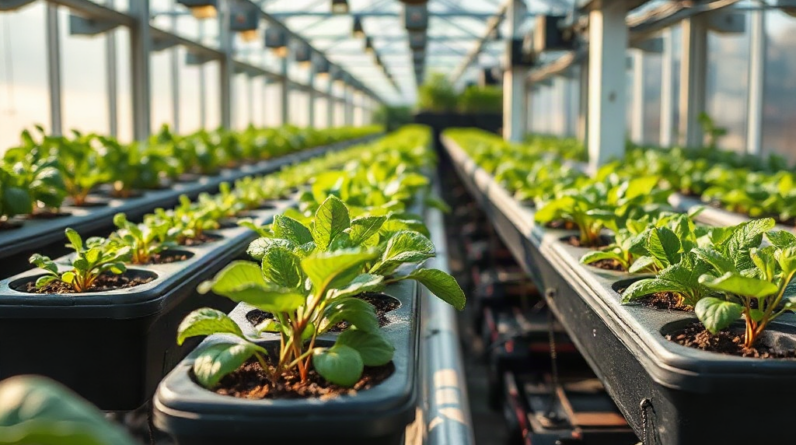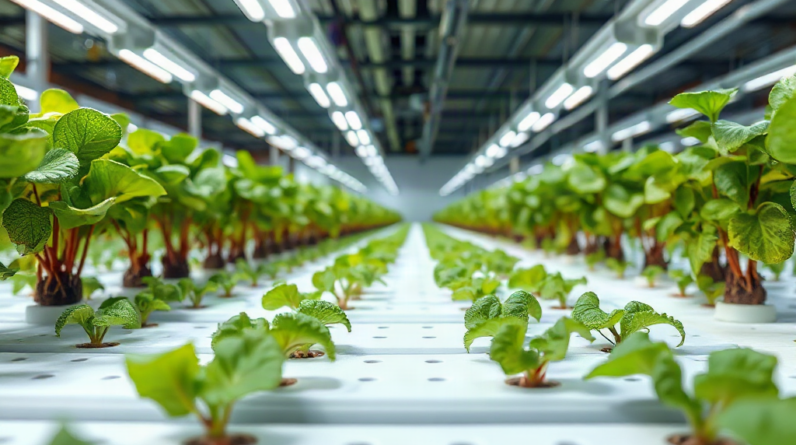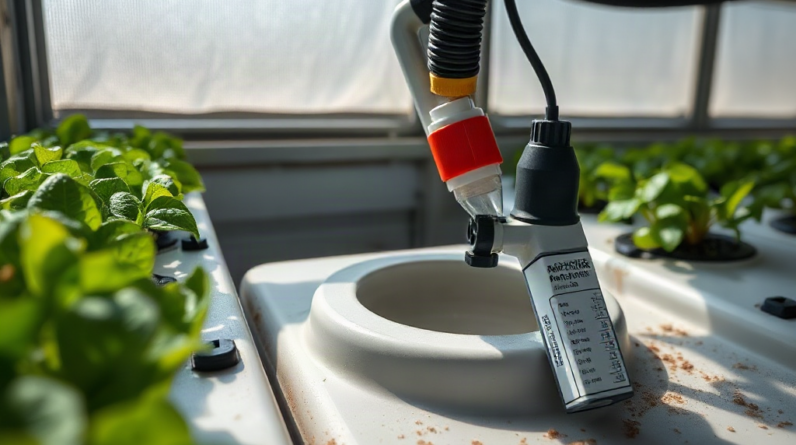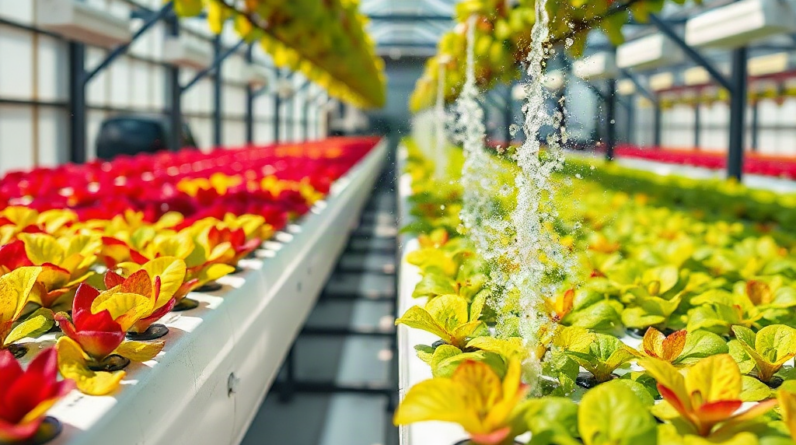
One of the key advantages of hydroponic gardening is the efficient use of water and nutrients. Unlike conventional gardening, hydroponics allows for precise control over nutrient delivery, reducing waste and optimizing plant health. This method is particularly beneficial for those living in urban settings or areas with poor soil quality, as it eliminates many of the challenges associated with traditional gardening.
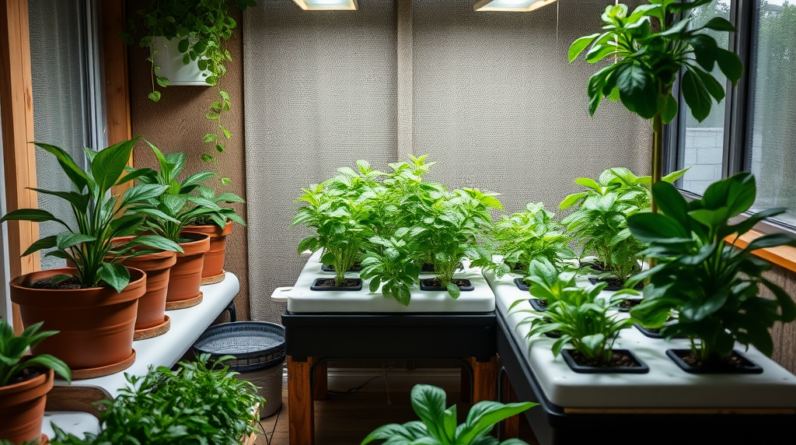
When starting a hydroponic garden at home, consider factors such as available space, light conditions, and the types of plants you wish to grow. Beginners might find success with simple systems like Kratky or wick systems, which are easy to set up and maintain. As you gain experience, you can explore more complex systems, such as aeroponics or aquaponics, which integrate fish farming with plant cultivation.
Vertical Gardening Techniques
Vertical gardening is a space-saving approach that maximizes growing area by utilizing vertical space. This method can be implemented using racks, towers, or even repurposed materials. By arranging plants vertically, you can create an aesthetically pleasing and productive garden. Additionally, vertical systems can improve air circulation and light exposure, contributing to healthier plant growth.
When designing a vertical garden, choose plants that thrive in smaller spaces and require less support, such as leafy greens or herbs. Consider using a drip irrigation system to ensure consistent moisture and nutrient delivery. This technique not only enhances productivity but also minimizes the risk of disease by reducing plant density.
Nutrient Film Technique
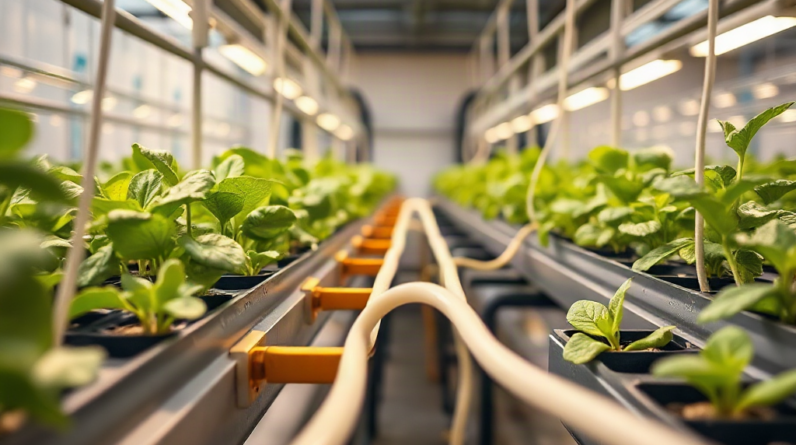
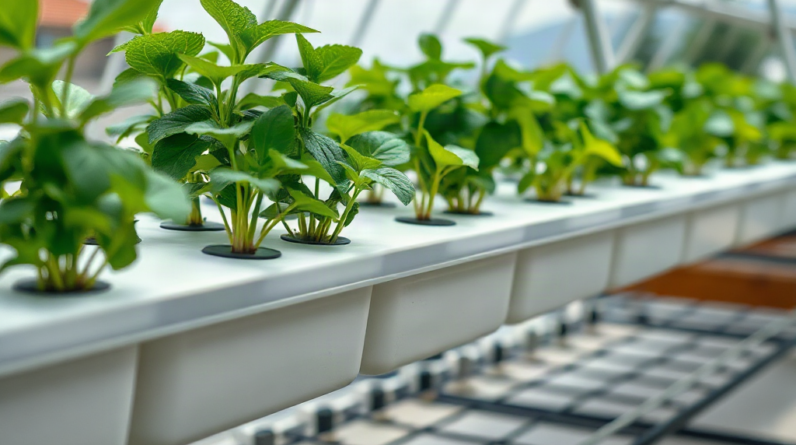
The Nutrient Film Technique (NFT) is a popular hydroponic method where a thin film of nutrient-rich water flows over the roots of plants. This system allows for efficient nutrient uptake while minimizing water usage. NFT systems can be constructed using PVC pipes or troughs, making them accessible for home gardeners.
One common mistake with NFT systems is allowing the water level to drop too low, which can damage the roots. Regular monitoring of water levels and nutrient concentrations is essential for maintaining plant health. Additionally, ensure that the system is properly aerated to prevent root rot and other issues.
Aquaponics Basics
Aquaponics combines hydroponics with aquaculture, creating a symbiotic environment where fish waste provides nutrients for plants, and plants help filter and clean the water for the fish. This method offers a sustainable way to grow food while also raising fish, making it an attractive option for those interested in self-sufficiency.
When setting up an aquaponics system, choose fish species that are well-suited for your climate and space. Tilapia and goldfish are popular choices for beginners. Additionally, ensure that the plants selected can thrive in the nutrient conditions provided by the fish waste. Regular maintenance of both the plant and fish components is crucial for a successful aquaponics system.
Common Mistakes to Avoid
While hydroponic gardening can be rewarding, there are several common mistakes that can hinder success. One major issue is inadequate lighting; plants need sufficient light to thrive, especially if grown indoors. Investing in proper grow lights can make a significant difference in plant health and yield.
Another mistake is neglecting to monitor pH and nutrient levels. These factors are critical for optimal plant growth and should be checked regularly. By staying informed and attentive to these needs, you can avoid many pitfalls associated with hydroponic gardening.
Further Reading
Authoritative Sources
- Hydroponics for Beginners
hydroponics.comThis resource provides comprehensive guides and tutorials for those new to hydroponic gardening
- Aquaponics Basics
aquaponics.comA detailed overview of aquaponics systems, including setup and maintenance tips
- Vertical Gardening Techniques
verticalgardening.comThis site offers innovative ideas and resources for creating vertical gardens
Frequently Asked Questions
What is hydroponic gardening?
Hydroponic gardening is a method of growing plants without soil, using nutrient-rich water solutions to deliver essential nutrients directly to the plant roots.
What are the benefits of hydroponic gardening?
Hydroponic gardening offers benefits such as faster plant growth, higher yields, reduced water usage, and the ability to grow in limited spaces or poor soil conditions.
Can I grow all types of plants hydroponically?
While many plants can be grown hydroponically, leafy greens, herbs, and certain vegetables tend to thrive best in these systems.
How much light do hydroponic plants need?
Hydroponic plants typically require 12-16 hours of light per day, depending on the type of plant and growth stage. Proper lighting is crucial for healthy growth.
What is the best system for beginners?
Beginners may find success with simple systems like Kratky or wick systems, which are easy to set up and require minimal maintenance.
Conclusion
Home hydroponic gardening offers a unique and effective way to grow plants indoors, providing fresh produce while maximizing space and resources. By exploring various techniques such as vertical gardening, NFT, and aquaponics, you can find the right method for your needs. Avoid common mistakes like insufficient lighting and neglecting nutrient monitoring to ensure success. Start small, experiment, and enjoy the benefits of this innovative gardening approach.