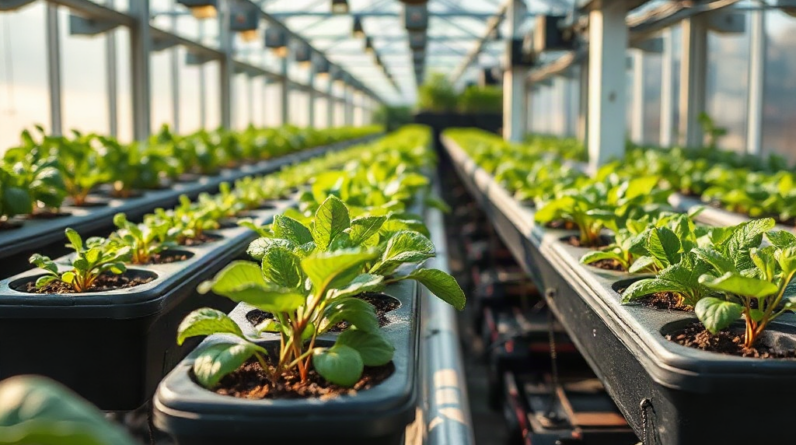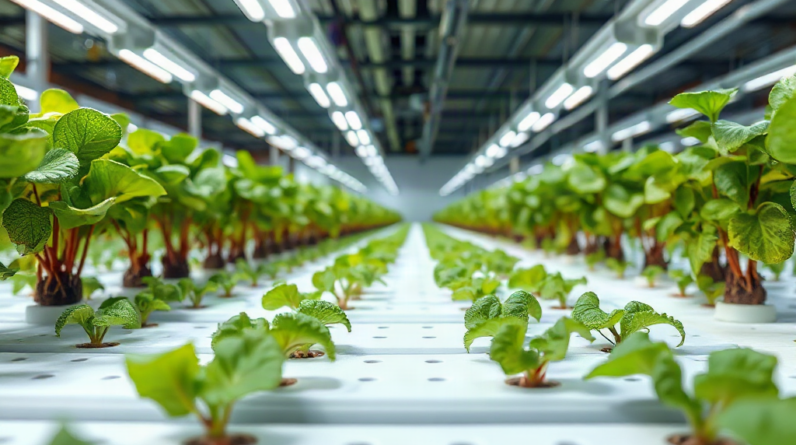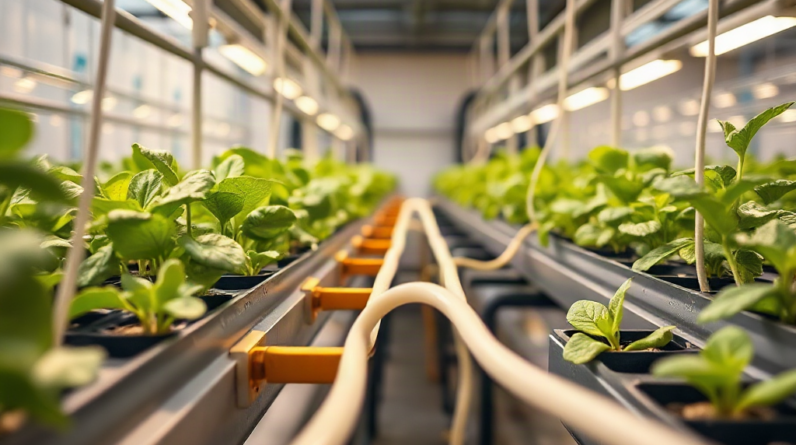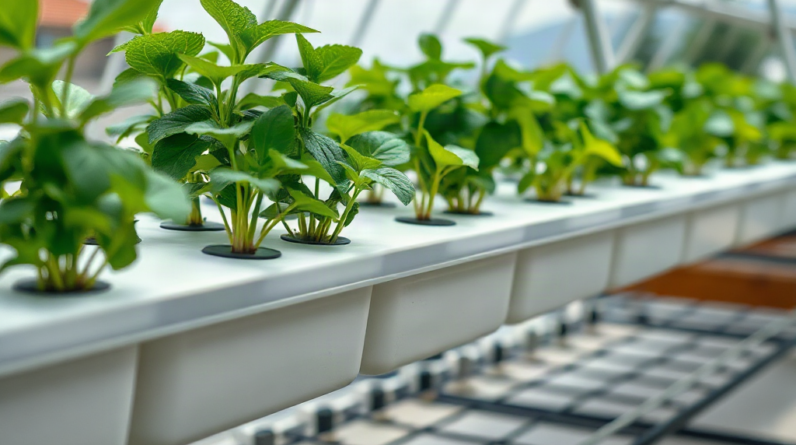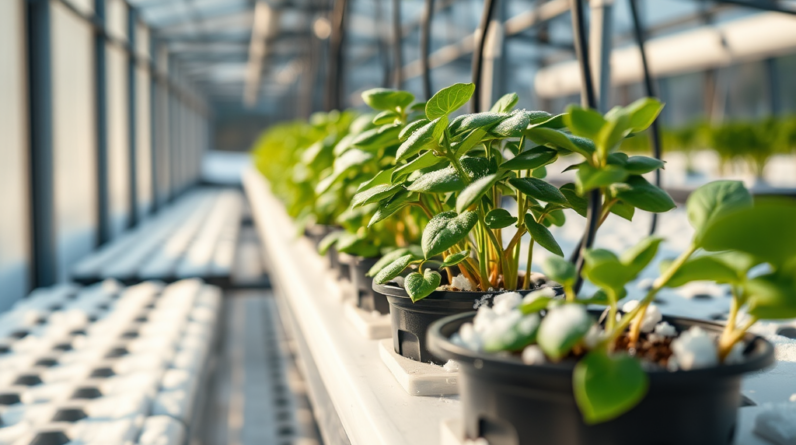
To keep hydroponic plants healthy in winter, it is essential to maintain a stable environment by controlling temperature and light conditions. Aim for temperatures between 65°F to 75°F, as lower temperatures can slow growth and increase disease susceptibility. Incorporate supplemental lighting to counteract reduced daylight, ensuring plants receive adequate light for photosynthesis. Additionally, adjust nutrient solutions to accommodate the lower metabolic activity of plants during winter. Regularly monitor humidity levels, as dry air can affect nutrient uptake and root health, making it vital to maintain proper moisture in your hydroponic system.
Understanding Winter Challenges for Hydroponic Plants
Winter presents unique challenges for hydroponic gardening, primarily due to decreased natural light and lower temperatures that can affect plant growth. Many hydroponic systems rely on a controlled environment, but external factors still play a significant role. Understanding how these conditions impact your plants is essential for maintaining their health. During winter, plants may experience slower growth rates and increased vulnerability to diseases due to stress from temperature fluctuations and inadequate light.
Additionally, humidity levels can drop during winter months, leading to potential issues with nutrient uptake and root health. Ensuring that your hydroponic setup accommodates these seasonal changes is vital. Regular monitoring of environmental conditions and adapting your care routine accordingly will help mitigate the effects of winter stress.
Maintaining Temperature Control
Temperature control is crucial for keeping hydroponic plants healthy during winter. Ideal temperatures for most hydroponic plants range between 65°F to 75°F. Lower temperatures can slow down plant metabolism, while excessive heat can lead to stress and poor growth. To maintain these temperatures, consider using heating mats or space heaters in your grow room.
It’s essential to monitor temperature levels regularly. Use digital thermometers or smart sensors that can alert you to significant fluctuations. Be cautious of cold drafts and ensure that your hydroponic system is insulated properly to maintain a stable environment. Additionally, if your system is outdoors, consider moving it indoors or using protective coverings to shield plants from extreme cold.
Adjusting Light Conditions
Winter months often bring shorter daylight hours, which can affect the growth of hydroponic plants. To counteract this, providing adequate artificial lighting is essential. Using full-spectrum LED grow lights can help mimic natural sunlight, promoting photosynthesis even during the darker months.
Adjust the light schedule to provide 12-16 hours of light per day, depending on the plant species. Ensure that the lights are positioned correctly to avoid light burn while maximizing exposure. Regularly check the light intensity and adjust the height of the lights as needed. This approach not only supports healthy growth but also helps prevent issues like stretching or leggy plants.
Nutrient Management in Cold Weather
Nutrient management is another critical aspect of keeping hydroponic plants healthy during winter. As temperatures drop, plants may require different nutrient concentrations due to reduced growth rates. Regularly testing your nutrient solution is vital to ensure that it meets the changing needs of your plants.
Consider reducing the overall nutrient strength during winter months, as plants may not absorb nutrients as efficiently. Monitoring pH levels is equally important, as cold temperatures can affect nutrient availability. Aim for a pH level between 5.5 and 6.5 for optimal nutrient uptake. Adjusting your nutrient schedule to reflect the slower growth phase can help prevent nutrient burn and promote healthier plants.
Frequently Asked Questions
What temperature should I maintain for hydroponic plants in winter?
Maintain a temperature range of 65°F to 75°F for optimal growth during winter.
How can I provide adequate light for hydroponic plants in winter?
Use full-spectrum LED grow lights for 12-16 hours a day to mimic natural sunlight and promote growth.
What should I adjust in my nutrient solution during winter?
Consider reducing the nutrient concentration and regularly test pH levels to ensure optimal nutrient uptake.
How does humidity affect hydroponic plants in winter?
Low humidity can hinder nutrient uptake and lead to root health issues; consider using a humidifier if necessary.
What are common mistakes to avoid in winter hydroponic gardening?
Avoid overwatering and ensure proper temperature control to prevent stress and disease in plants.
Further Reading
Authoritative Sources
- USDA Hydroponic Guidelines
usda.govThis resource provides comprehensive guidelines on hydroponic farming, including considerations for seasonal changes
- National Extension Association of Family and Consumer Sciences
extension.orgOffers insights into managing hydroponic systems effectively, including winter care strategies
Conclusion
To ensure your hydroponic plants thrive during winter, focus on maintaining optimal temperature, adjusting light exposure, and managing nutrient levels effectively. By understanding the unique challenges posed by the winter season and implementing targeted strategies, you can keep your plants healthy and productive. Regular monitoring and adaptability are key to overcoming seasonal hurdles and promoting robust plant growth.