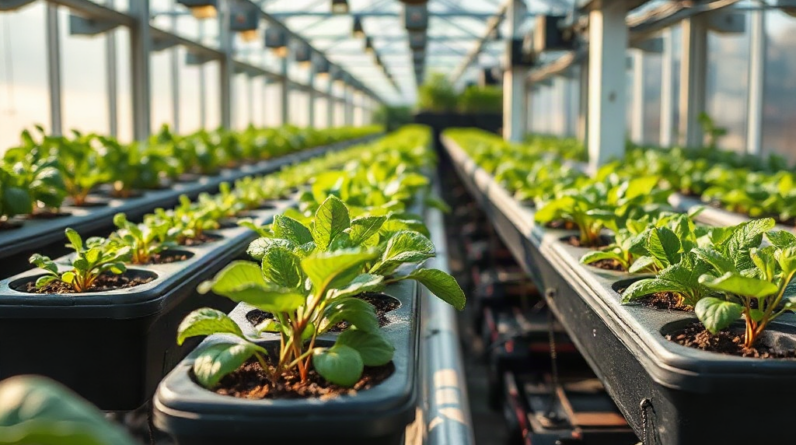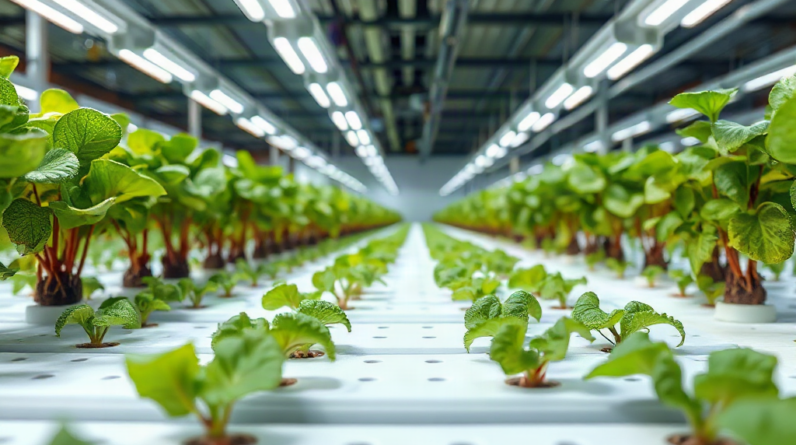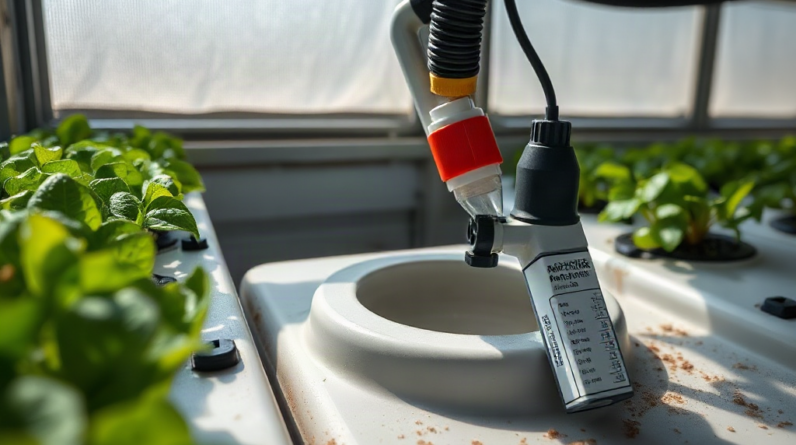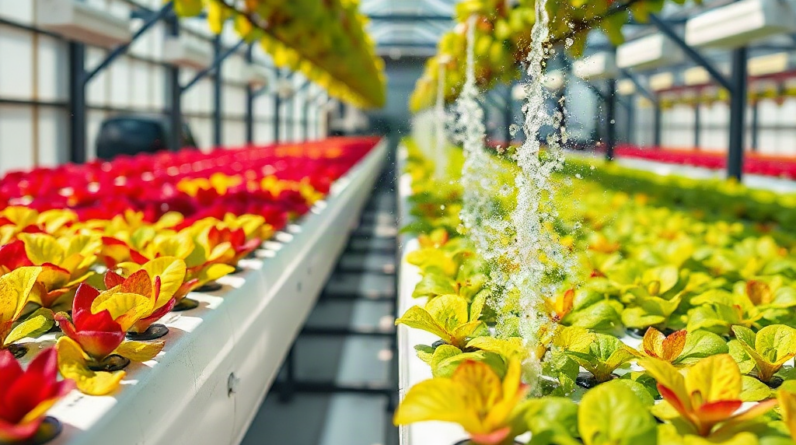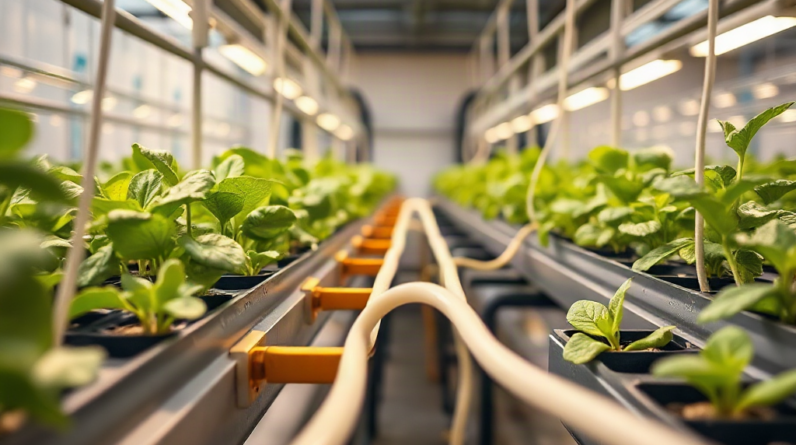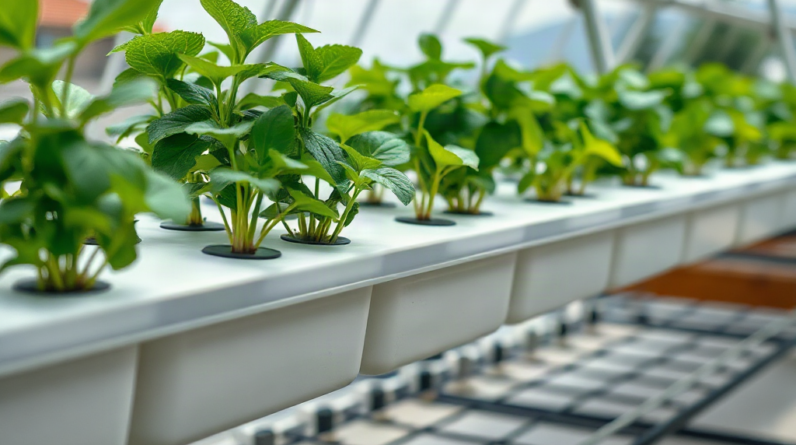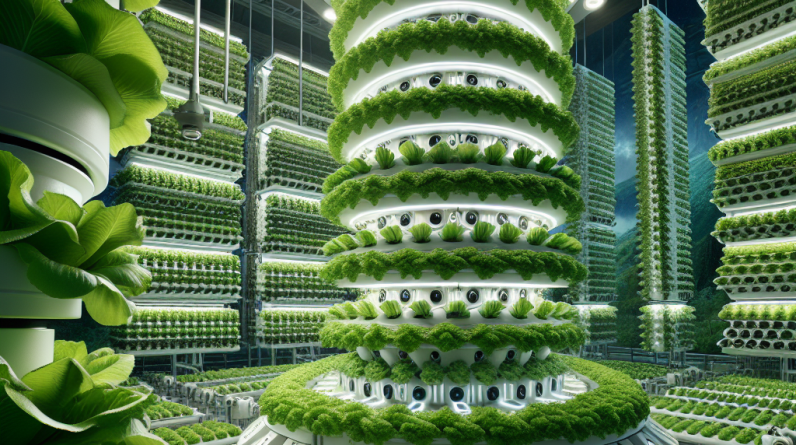
To maintain optimal water levels in hydroponic systems, regularly monitor and adjust the water based on the specific needs of your plants. Utilize tools like water level sensors for real-time data, which can help you quickly identify when levels are too low or too high. It's essential to keep a daily log of water levels and plant responses to track trends and make informed adjustments. Be cautious of common mistakes, such as allowing water levels to drop too low, which can expose roots to air and cause stress. By understanding the growth stages of your plants, you can tailor your water management strategies for healthier, more productive growth.
Understanding Water Level Importance
Water levels in hydroponic systems are crucial for plant health and growth. Maintaining the right water level ensures that the roots receive adequate nutrients and oxygen, which are essential for their development. When water levels are too low, roots can become exposed to air, leading to stress and potential damage. Conversely, overly high levels can suffocate roots and create an environment conducive to root rot.
Furthermore, different plants have varying water requirements based on their growth stage. For instance, seedlings may need less water compared to mature plants that require more moisture. Therefore, understanding the specific needs of your plants is paramount to achieving optimal growth.
Monitoring Water Levels Effectively
To effectively manage water levels, regular monitoring is essential. Utilize tools such as water level indicators or sensors that can automate readings and provide real-time data. This technology can alert you when levels fall below or rise above desired thresholds, minimizing the risk of plant stress.
Additionally, manual checks should be conducted regularly, ideally daily, to ensure that variations are promptly addressed. Keep a log of water levels, including any changes made and the corresponding plant response, to identify trends and adjust your approach as necessary.
Adjusting Water Levels Based on Plant Needs
Adjusting water levels should be based on the specific requirements of the plants in your hydroponic system. For example, during the early growth stages, seedlings may thrive with lower water levels, while fruiting plants will need increased moisture to support their growth.
Moreover, environmental factors such as temperature and humidity can influence water evaporation rates. In hotter conditions, water levels may drop more quickly, necessitating more frequent adjustments. Conversely, cooler temperatures may slow evaporation, allowing for less frequent water changes. Being attentive to these factors will help you maintain the ideal water level for your crops.
Common Mistakes in Water Management
One common mistake in managing water levels is neglecting to account for evaporation. Many hydroponic gardeners overlook how much water can evaporate, especially in warmer environments, leading to insufficient water for the plants. Another frequent error is failing to adjust water levels as plants grow. What works for seedlings may not be suitable for mature plants.
Additionally, some growers may overcompensate by adding too much water when they observe low levels, which can lead to oversaturation and root issues. Understanding the balance and adjusting carefully is essential to avoid these pitfalls.
Frequently Asked Questions
What is the ideal water level for hydroponics?
The ideal water level can vary by plant type, but generally, it should cover the roots without submerging the stem.
How often should I check water levels in hydroponics?
It's best to check water levels daily, especially during the early growth stages or in warmer climates.
Can I use tap water for hydroponics?
Yes, but ensure the tap water is free of chlorine and other harmful chemicals that can affect plant growth.
What are the signs of overwatering in hydroponics?
Signs include yellowing leaves, root rot, and wilting, despite adequate water levels.
How does temperature affect water levels in hydroponics?
Higher temperatures can increase evaporation rates, requiring more frequent adjustments to maintain optimal water levels.
Conclusion
Maintaining optimal water levels in hydroponics is vital for healthy plant growth. Regular monitoring, adjustment based on plant needs, and awareness of common mistakes are essential practices. By being proactive and attentive to water management, you can significantly improve the success of your hydroponic system.