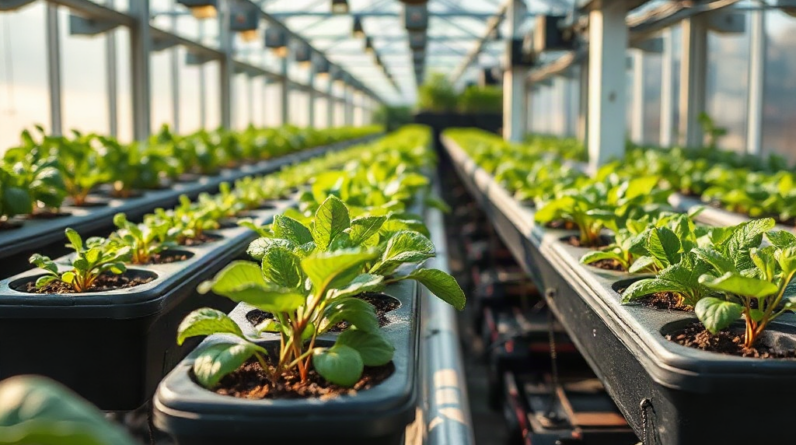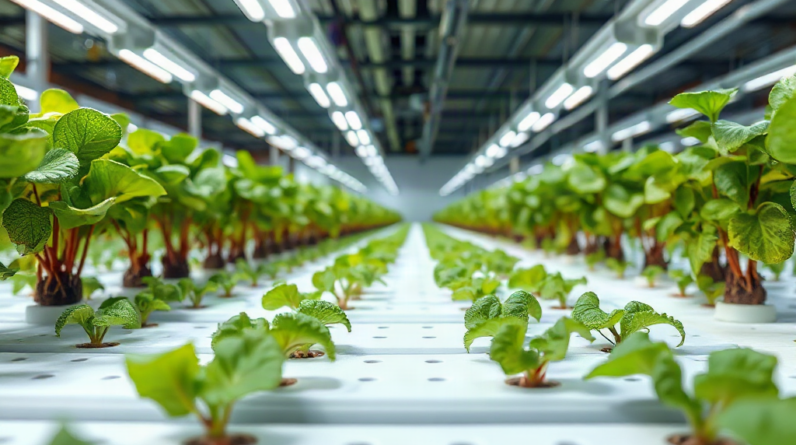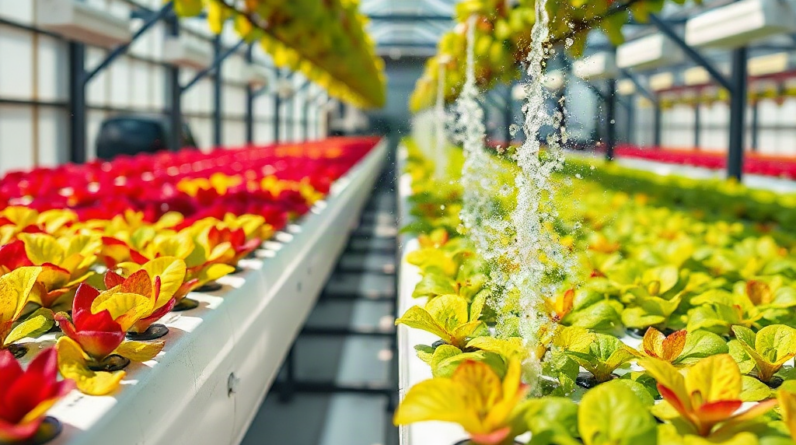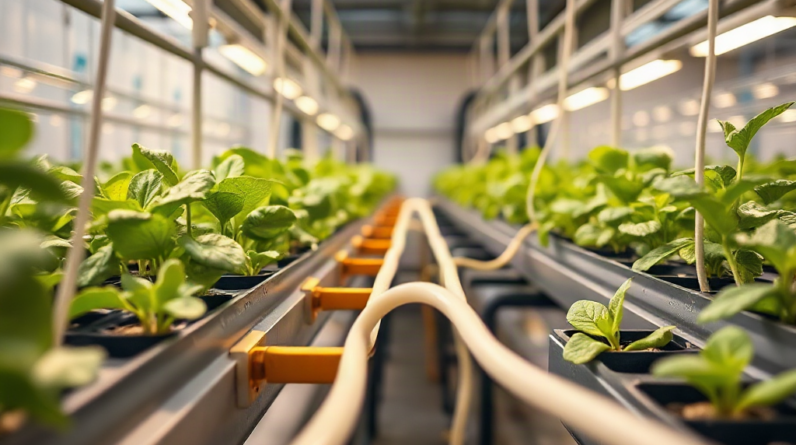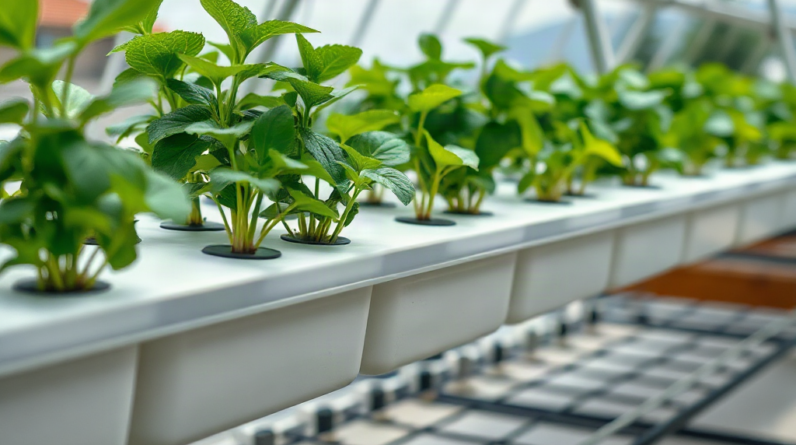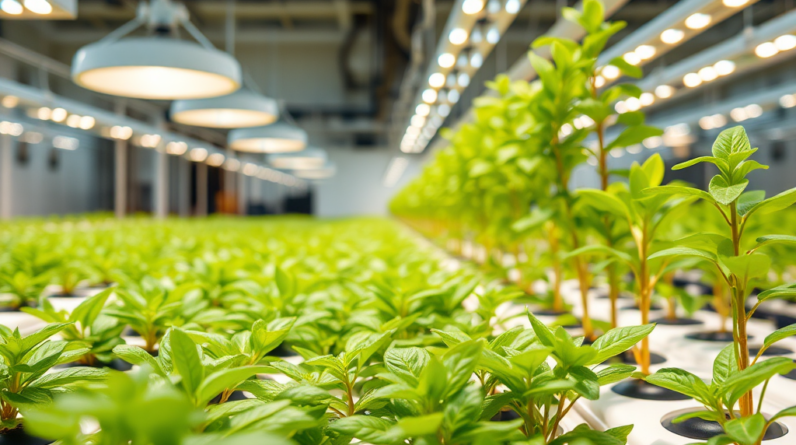
To manage hydroponic plant spacing effectively, assess the growth habits and mature sizes of your plants. For instance, leafy greens can be spaced closer together than larger fruiting plants like tomatoes, which require more room as they grow. A common mistake is overcrowding, which can lead to competition for light and nutrients, stunting growth. To avoid this, consult specific growth charts for each plant species to determine optimal spacing. Additionally, ensure adequate airflow by spacing plants appropriately, which helps prevent mold and disease while promoting healthy growth.
Understanding Plant Growth Habits
Every hydroponic plant species has unique growth habits that dictate how much space it needs. This understanding is essential for effective spacing, as it helps you avoid overcrowding and ensures each plant receives the resources it needs. For instance, leafy greens like lettuce require less space compared to larger fruiting plants like tomatoes or cucumbers, which spread out significantly as they grow. Recognizing these differences allows you to plan your layout strategically.
Moreover, the growth stage of your plants influences their spacing requirements. Young seedlings can be placed closer together, but as they mature, you will need to adjust their spacing to accommodate their larger size. A common practice is to consult growth charts specific to each plant species, which provide recommended spacing based on their mature size and growth patterns.
The Importance of Airflow and Light
Effective plant spacing in hydroponics is not just about maximizing available space; it also plays a critical role in ensuring adequate airflow and light penetration. Proper airflow reduces humidity and the risk of mold and disease, which can thrive in crowded conditions. When plants are spaced appropriately, air can circulate freely between them, promoting healthier growth.
Light is another vital factor that spacing directly impacts. Hydroponic systems often rely on artificial lighting, and ensuring each plant receives sufficient light is crucial for photosynthesis. Overly crowded plants may block light from reaching lower leaves, leading to stunted growth and poor yields. Therefore, spacing should consider not only the current size of the plants but also their potential growth and light needs.
Common Spacing Mistakes
One of the most frequent mistakes in hydroponic gardening is underestimating how much space plants will need as they grow. Many beginners tend to plant seedlings too closely, assuming they can manage their growth later. However, this often leads to overcrowding, which can stifle growth and increase susceptibility to diseases.
Another common error is failing to consider the specific light needs of different plants. For example, taller plants should be placed in a way that they do not shade shorter plants. Additionally, failing to monitor the growth and adjusting spacing as plants mature can lead to competition for resources, ultimately affecting the overall health of your garden.
Practical Tips for Effective Spacing
To effectively manage plant spacing in hydroponics, start by researching the specific spacing requirements for each plant type you intend to grow. Using a planting guide can be immensely helpful in determining optimal distances. Additionally, consider using a staggered planting method, which allows you to maximize space while ensuring that each plant receives adequate light and airflow.
Regular monitoring is essential. As your plants grow, keep an eye on their development and be prepared to thin them out or adjust their positions if necessary. This proactive approach will help you maintain healthy plants and optimize your hydroponic system’s performance.
Frequently Asked Questions
What is the ideal spacing for hydroponic plants?
The ideal spacing varies by plant type but generally ranges from 6 to 18 inches apart, depending on their mature size and growth habits.
How does overcrowding affect hydroponic plants?
Overcrowding can lead to poor air circulation, increased humidity, and a higher risk of diseases, ultimately stunting plant growth.
Can I use the same spacing for all types of plants?
No, each plant species has different growth requirements, so it's essential to research their specific spacing needs.
What are some signs that my plants are overcrowded?
Signs include stunted growth, yellowing leaves, and increased pest issues, indicating that plants are competing for resources.
How often should I check plant spacing?
Regular checks are advisable, especially during the early growth stages, to ensure plants have enough space as they mature.
Further Reading
Authoritative Sources
- USDA National Institute of Food and Agriculture
nifa.usda.govResearch and extension resources related to agriculture, plants, soil, and food systems
- Extension Foundation Gardening Resources
extension.orgUniversity extension education resources for practical gardening and home agriculture topics
- USDA Natural Resources Conservation Service
nrcs.usda.govSoil, water, conservation, and land management resources for practical growing decisions
Conclusion
Managing hydroponic plant spacing effectively is crucial for maximizing growth potential and preventing common issues like overcrowding and resource competition. By understanding the growth habits of your plants and adjusting spacing accordingly, you can create a thriving hydroponic environment. Regular monitoring and proactive adjustments will lead to healthier plants and better yields, ensuring your hydroponic garden flourishes.