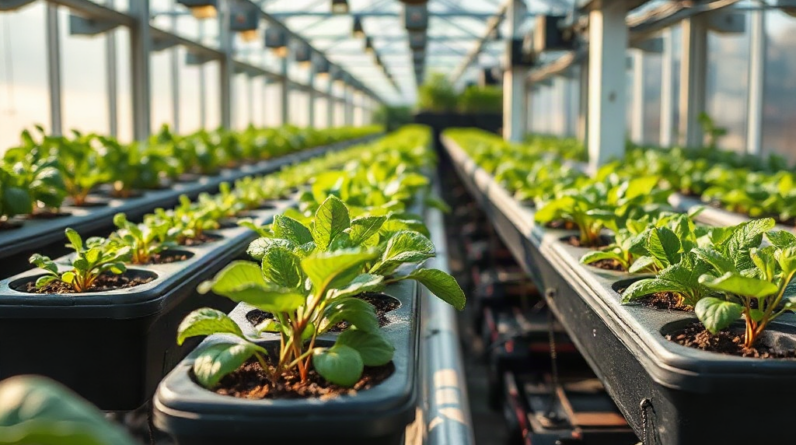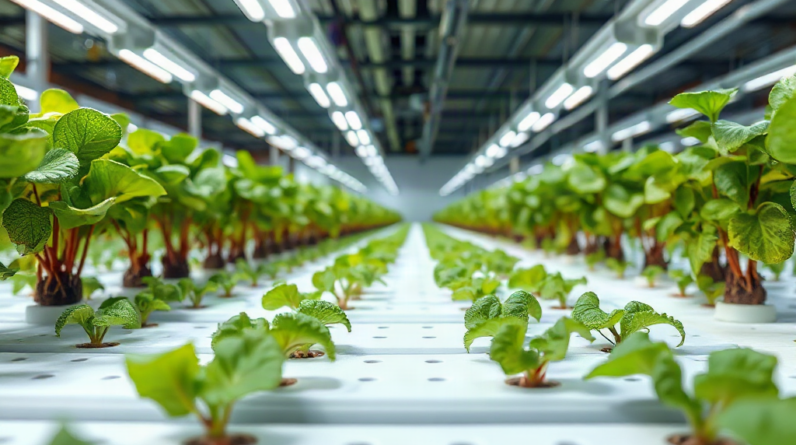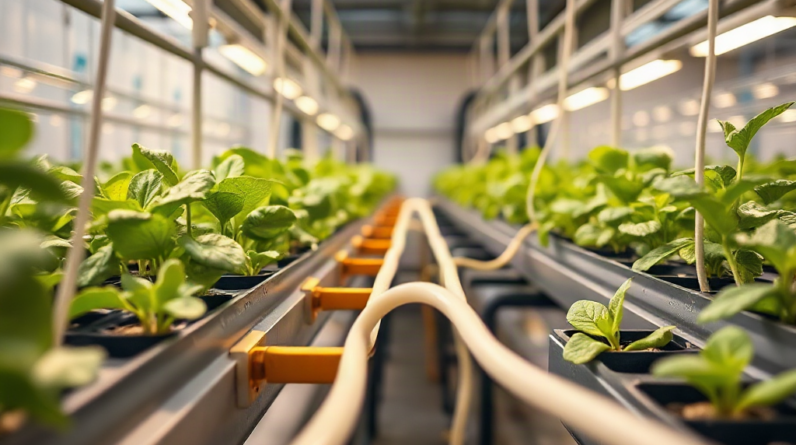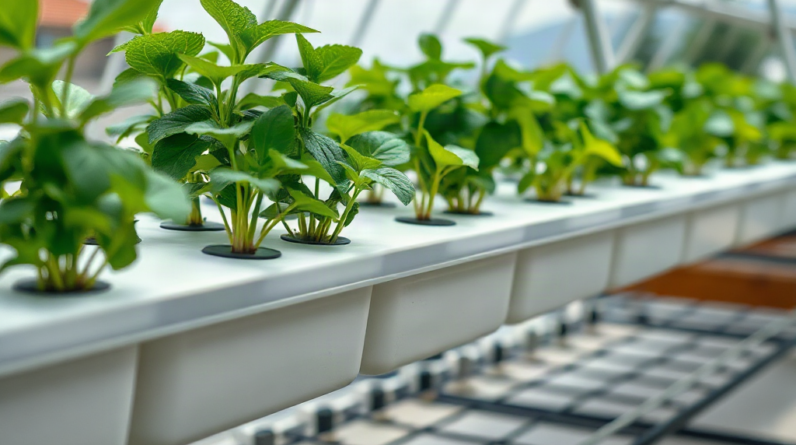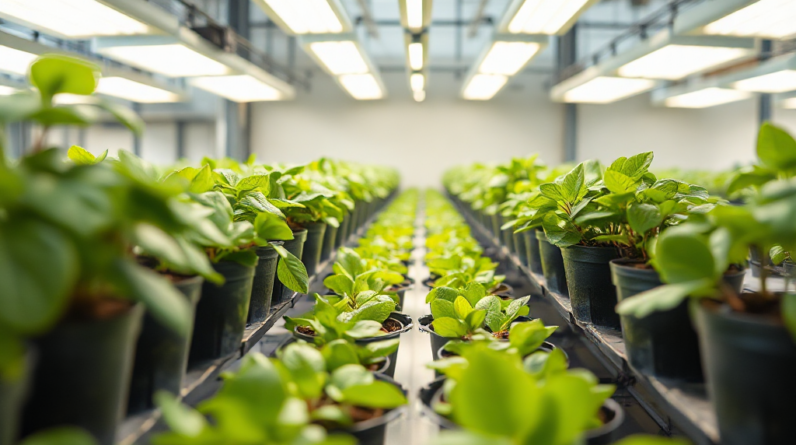
To manage light schedules in hydroponics effectively, establish a routine that aligns with the natural day-night cycle, typically providing plants with 12 to 16 hours of light daily. Utilize timers to automate this process, ensuring consistent light exposure. Adjust the distance of your light sources to prevent overheating and burning of the plants. It's essential to recognize that different species have unique light requirements; for instance, leafy greens may thrive with less light compared to fruiting plants. Regularly monitor plant responses to fine-tune your light conditions and enhance growth and yield.
Understanding Light Requirements for Hydroponics
Light is a critical factor in hydroponic gardening, as it directly influences photosynthesis and overall plant health. Different plants have varying light needs; some thrive in full light, while others prefer partial shade. Understanding these needs is crucial for setting an effective light schedule. Typically, plants require 12 to 16 hours of light daily during their growth phase, but this can vary based on the species and growth stage. For instance, leafy greens may require less light compared to fruiting plants like tomatoes.
Additionally, the quality of light matters. Using full-spectrum LED lights can mimic natural sunlight and promote better growth. These lights provide the necessary wavelengths for both vegetative growth and flowering stages, making them ideal for a diverse range of hydroponic crops. Properly managing light can lead to healthier plants, higher yields, and reduced growth time.
Setting Up Your Light Schedule
To establish an effective light schedule, start by determining the light duration that suits your plants. A common practice is to use a timer to automate the light cycles, ensuring consistency. For example, setting a timer for 16 hours of light followed by 8 hours of darkness can create a balanced environment for most hydroponic plants. This schedule mimics the natural day/night cycle, which is vital for plant metabolism.
During the vegetative stage, plants benefit from longer light periods. As they transition to flowering, you may need to adjust the light schedule to 12 hours of light and 12 hours of darkness to encourage blooming. Keeping a journal of your light schedule adjustments can help you monitor how your plants respond and allow you to make informed changes as needed.
Adjusting Light Intensity and Distance
The intensity of light and its distance from the plants play significant roles in their growth. Too much light can cause leaf burn, while insufficient light can lead to leggy plants. It’s essential to adjust the height of your lights accordingly. For instance, LED lights should typically be positioned 12 to 24 inches above the plant canopy, but this distance may need to be modified based on the specific light model and plant response.
Monitoring your plants for signs of stress is key. If the leaves appear bleached or brown at the edges, the light may be too intense. Conversely, if the plants are stretching toward the light source, they may not be receiving enough. Regularly checking and adjusting the light distance can help maintain optimal growing conditions.
Common Mistakes to Avoid
Managing light schedules in hydroponics can be tricky, and several common mistakes can hinder plant growth. One frequent error is failing to adjust the light schedule as plants grow and change. As plants mature, their light needs evolve, requiring you to adapt your light duration and intensity.
Another mistake is not using timers. Manually turning lights on and off can lead to inconsistencies, which can stress plants. Lastly, neglecting to monitor plant health can result in missed signs of light stress. Regularly assess your plants and be willing to make changes to your light schedule as needed.
Frequently Asked Questions
What type of lights are best for hydroponics?
Full-spectrum LED lights are the best choice for hydroponics as they provide the necessary wavelengths for both vegetative growth and flowering.
How long should I keep lights on for hydroponic plants?
Most hydroponic plants benefit from 12 to 16 hours of light per day, depending on their growth stage and specific requirements.
Can I use sunlight for hydroponic plants?
Yes, sunlight can be used, but it may not provide consistent light levels. Supplemental artificial lighting is often necessary for optimal growth.
What happens if plants get too much light?
Excessive light can lead to leaf burn, stunted growth, and overall stress in plants. Monitoring light intensity is crucial.
How do I know if my plants need more light?
If your plants are stretching toward the light source or have pale, elongated growth, they likely require more light.
Further Reading
Authoritative Sources
- Hydroponics Science
hydroponicsscience.comThis resource offers in-depth articles on hydroponic practices, including light management techniques
- Gardening Know How
gardeningknowhow.comA comprehensive guide to gardening practices, including tips on light requirements for various plants
Conclusion
Effectively managing light schedules in hydroponics is essential for promoting healthy plant growth and maximizing yields. By understanding your plants’ specific light requirements, setting consistent light schedules, and adjusting light intensity and distance, you can create an optimal growing environment. Avoid common pitfalls such as neglecting to adjust schedules and failing to monitor plant health. With careful planning and attention, your hydroponic garden can thrive and produce abundant crops.