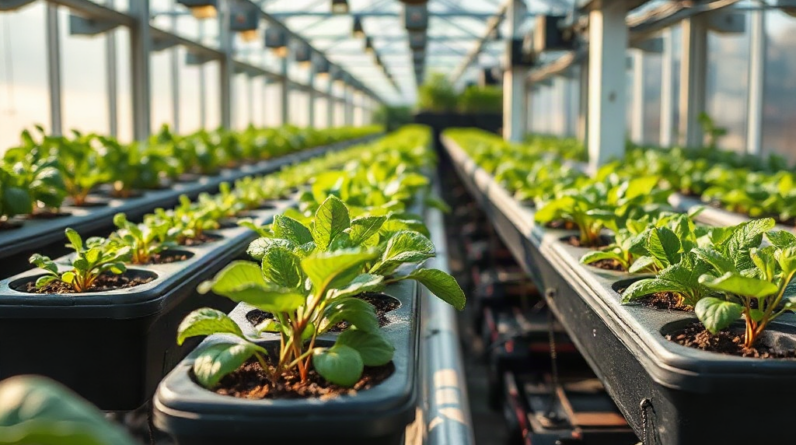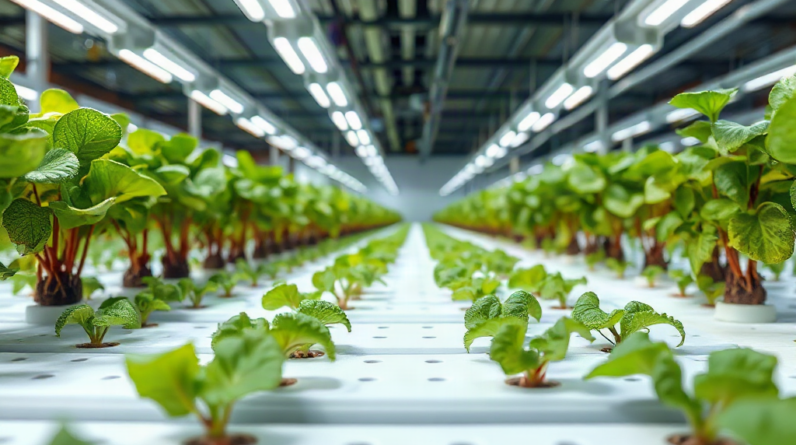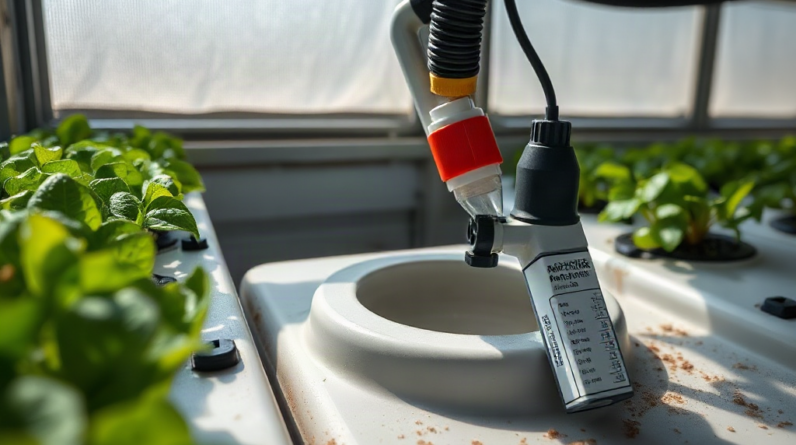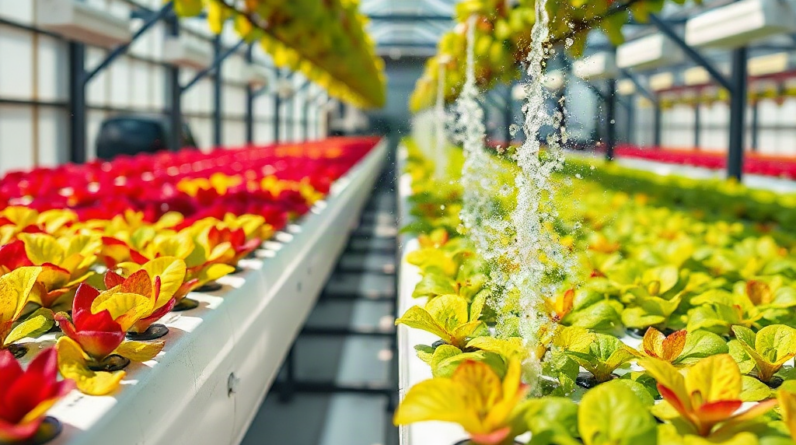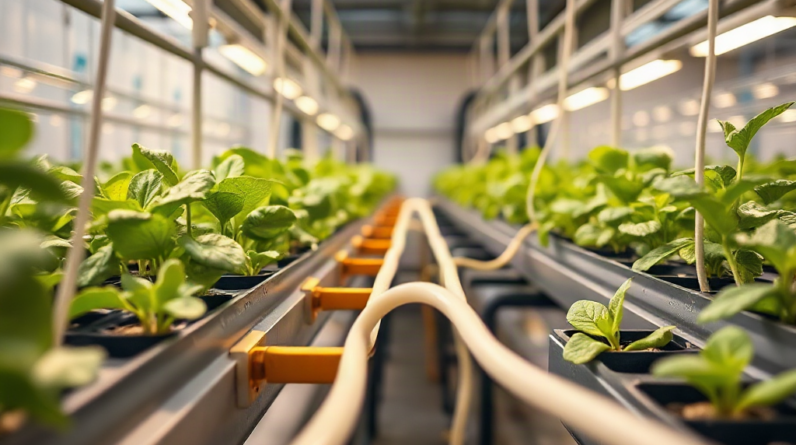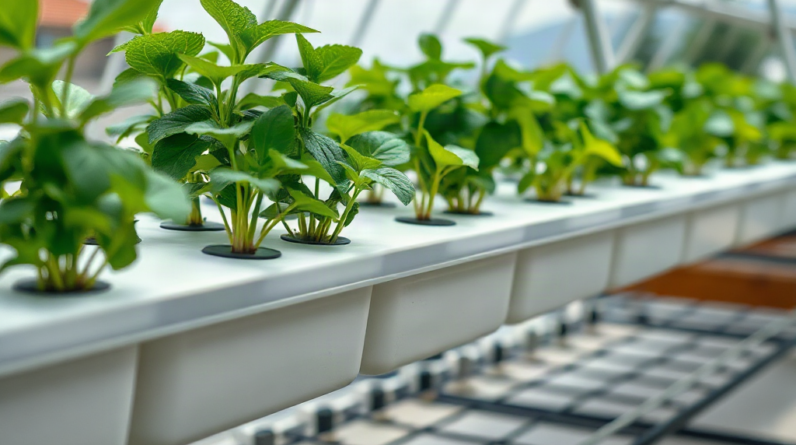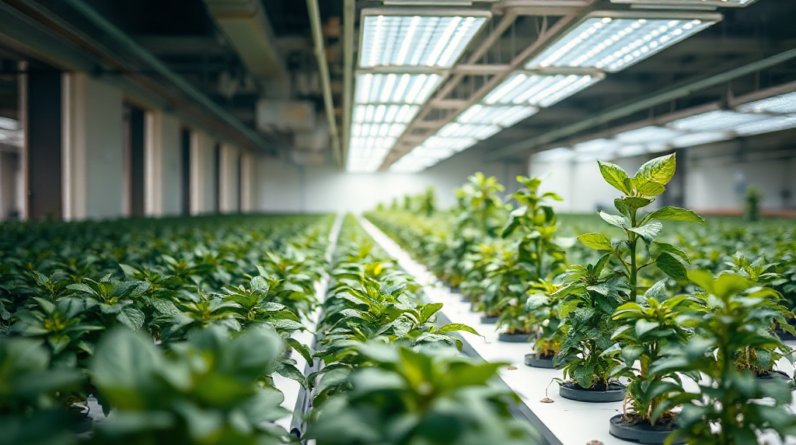
To manage light stress in hydroponic plants, it is essential to tailor light intensity and duration to the specific needs of each plant type and growth stage. Overexposure can cause leaf burn, while insufficient light may stunt growth. Regularly monitor light levels using light meters and adjust your lighting schedule accordingly. Additionally, ensure adequate spacing between plants to prevent overcrowding, which can exacerbate light stress. By implementing these strategies, you can optimize plant health and yield while minimizing the adverse effects of light stress.
Understanding Light Stress in Hydroponics
Light stress occurs when hydroponic plants receive too much or too little light, leading to physiological strain that can impede their growth and overall health. It is essential to recognize that different plants have varying light requirements, which can change during different growth stages. For instance, seedlings generally require less light compared to mature plants, and understanding these needs is crucial for effective management.
The effects of light stress can manifest in several ways. Overexposure to intense light can lead to leaf burn, while insufficient light can stunt growth and reduce yields. Thus, growers must monitor light levels and adjust them as needed to maintain optimal conditions for their crops.
Identifying Symptoms of Light Stress
Recognizing the symptoms of light stress is vital for timely intervention. Common signs include yellowing leaves, leaf burn, and stunted growth. In some cases, plants may exhibit a leggy appearance as they stretch towards the light source, indicating that they are not receiving adequate light.
Another symptom to watch for is the curling or wilting of leaves, which can signal both excessive light exposure and inadequate watering conditions. Maintaining a close watch on these signs allows growers to make necessary adjustments before the stress leads to irreversible damage.
Effective Solutions for Managing Light Stress
To effectively manage light stress, growers should first calibrate their lighting systems to meet the specific requirements of their plants. This includes adjusting the height and intensity of grow lights based on the plant’s growth stage. For instance, moving lights further away from seedlings can prevent them from burning while still providing adequate light for growth.
Monitoring environmental conditions is also crucial. Utilizing light meters can help determine the exact light levels in the growing area, allowing for precise adjustments. Additionally, incorporating a flexible lighting schedule that mimics natural light cycles can help mitigate stress. For example, using a gradual increase in light intensity during the day can help plants acclimate better.
Best Practices for Lighting in Hydroponics
Implementing best practices for lighting in hydroponics can significantly reduce the risk of light stress. Start by selecting the correct type of grow light, such as LED or fluorescent, based on the specific needs of your plants. Each type of light has its own spectrum and intensity, which can greatly affect plant growth.
Ensure proper spacing between plants to allow for adequate light penetration and air circulation. This can prevent localized hot spots that may lead to light stress. Regularly reassess your lighting setup as your plants grow, making adjustments to height and intensity as needed. Keeping a consistent check on plant health and adjusting light conditions accordingly can foster a thriving hydroponic system.
Frequently Asked Questions
What causes light stress in hydroponic plants?
Light stress is caused by either excessive or insufficient light exposure, which can lead to physiological damage such as leaf burn or stunted growth.
How can I tell if my plants are experiencing light stress?
Symptoms include yellowing leaves, leaf burn, wilting, and leggy growth as plants stretch towards the light source.
What are the best lighting options for hydroponic systems?
LED and fluorescent lights are popular choices; each provides specific light spectrums ideal for different growth stages.
How often should I adjust my lighting conditions?
Lighting conditions should be regularly assessed and adjusted based on the growth stage of the plants and any observed symptoms of light stress.
Can light stress be reversed?
Yes, light stress can often be reversed by adjusting light intensity and duration, but timely intervention is crucial to prevent permanent damage.
Further Reading
Authoritative Sources
- USDA National Institute of Food and Agriculture
nifa.usda.govResearch and extension resources related to agriculture, plants, soil, and food systems
- Extension Foundation Gardening Resources
extension.orgUniversity extension education resources for practical gardening and home agriculture topics
- USDA Natural Resources Conservation Service
nrcs.usda.govSoil, water, conservation, and land management resources for practical growing decisions
Conclusion
Managing light stress in hydroponic plants is crucial for ensuring healthy growth and maximizing yields. By understanding the specific light needs of different plants, identifying symptoms of stress, and implementing effective lighting solutions, growers can create optimal conditions. Regular monitoring and adjustments will help maintain a thriving hydroponic environment and prevent the adverse effects of light stress.