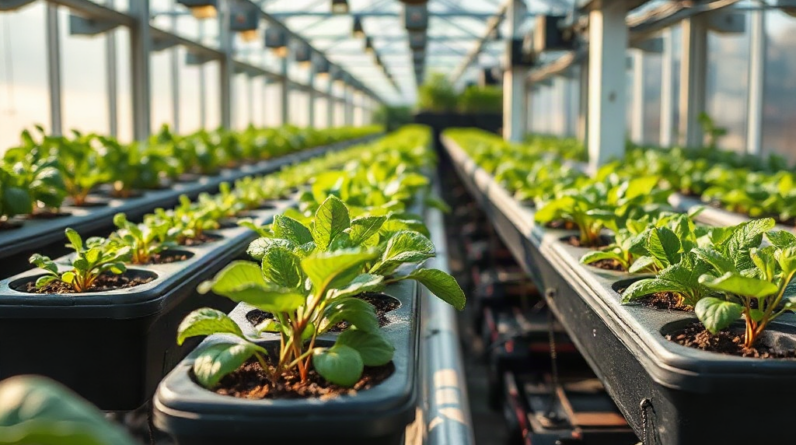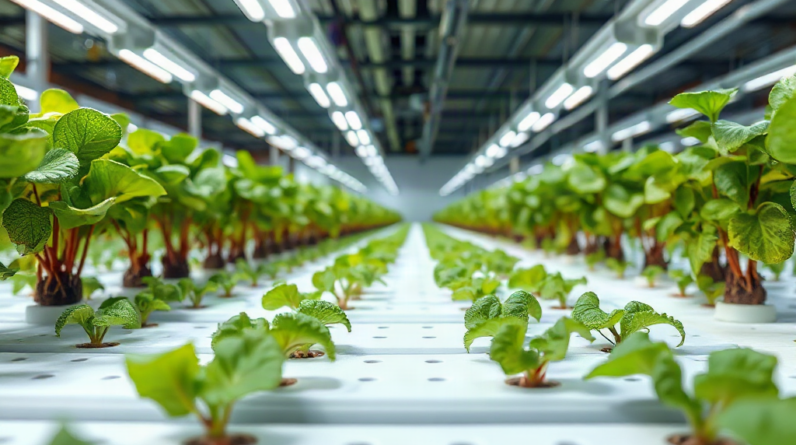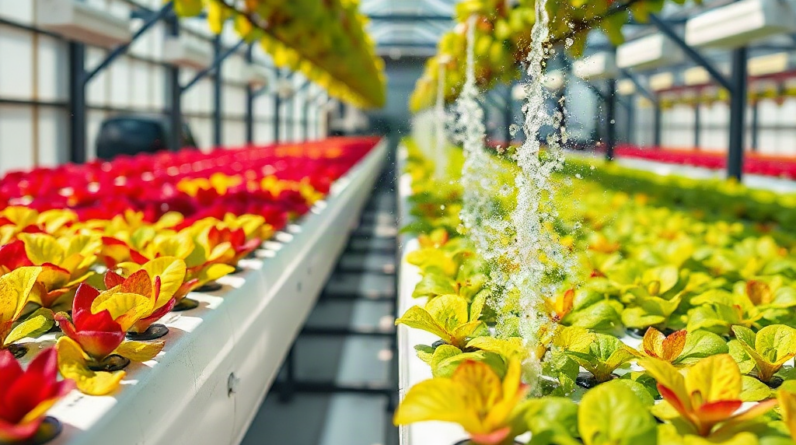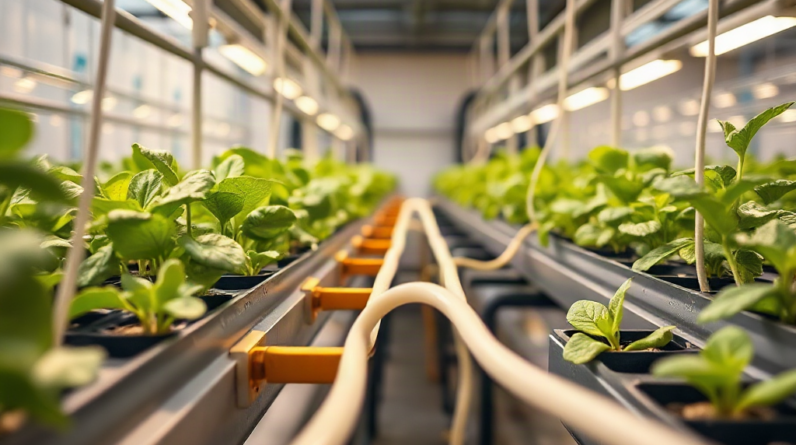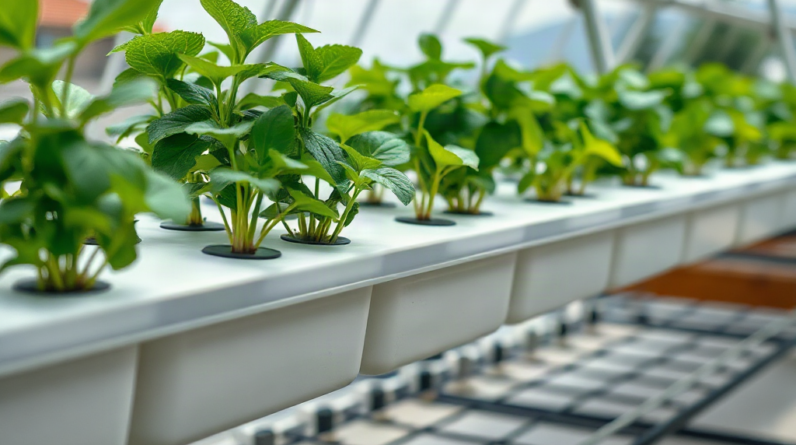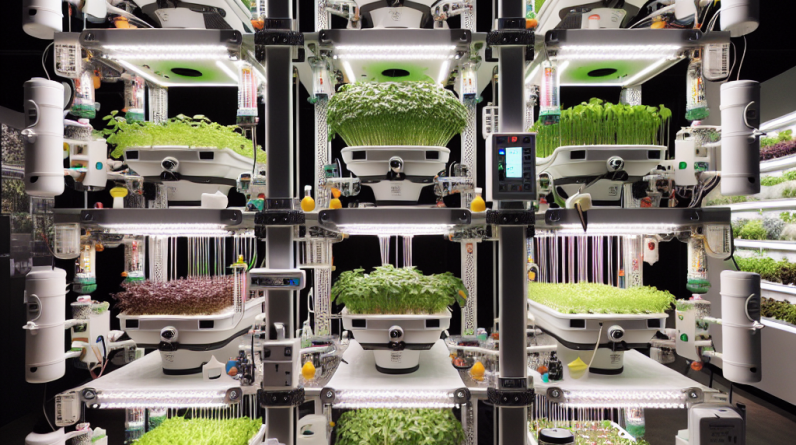
To manage plant diseases in hydroponics effectively, focus on prevention through optimal environmental control and sanitation. Regularly monitor humidity, temperature, and nutrient levels to create conditions that deter pathogens. Implementing strict hygiene practices, such as cleaning equipment and using sterilized growing media, can significantly lower disease risks. Additionally, choosing disease-resistant plant varieties can enhance resilience against common issues like root rot and powdery mildew. Be vigilant about symptoms, as early detection is key to minimizing damage and ensuring healthy plant growth.
Understanding Common Hydroponic Plant Diseases
Hydroponic systems can be susceptible to a variety of plant diseases, primarily due to the high moisture content and nutrient-rich solutions that create an ideal environment for pathogens. Common diseases include root rot, powdery mildew, and bacterial wilt, each exhibiting distinct symptoms and requiring specific management strategies. Understanding these diseases is crucial for effective management, as early identification can prevent widespread issues.
Root rot, often caused by overwatering or poor drainage, leads to dark, mushy roots and overall plant decline. Powdery mildew manifests as white, powdery spots on leaves and can spread rapidly in humid conditions. Bacterial wilt typically affects the vascular system, causing wilting and yellowing of leaves. Recognizing these diseases and their causes is the first step in managing plant health.
Preventive Measures for Disease Management
Preventing plant diseases in hydroponics is more effective than attempting to treat them after they occur. Key preventive measures include maintaining proper environmental conditions, such as temperature, humidity, and light levels. Ensuring optimal nutrient balance is also vital, as nutrient deficiencies can weaken plants and make them more susceptible to diseases.
Sanitation is another critical aspect of disease prevention. Regularly cleaning equipment, containers, and growing media helps minimize pathogen buildup. Additionally, using disease-resistant plant varieties can significantly reduce the likelihood of infection. Implementing these preventive strategies creates a robust defense against potential diseases.
Monitoring and Identifying Symptoms
Regular monitoring of plants is essential for early detection of diseases. Observing for signs such as yellowing leaves, stunted growth, or unusual spots can help identify problems before they escalate. Utilizing a checklist can streamline the monitoring process, ensuring all aspects of plant health are assessed consistently.
It is beneficial to document any changes in plant appearance or growth patterns. This documentation can aid in identifying recurring issues and adjusting management practices accordingly. When symptoms arise, prompt identification and diagnosis are crucial for effective intervention, potentially saving entire crops.
Treatment Options for Affected Plants
Once a disease is identified, prompt treatment is necessary to mitigate damage. For root rot, adjusting water levels and improving drainage can help revive affected plants. In cases of powdery mildew, applying organic fungicides or increasing air circulation can effectively control the spread. Bacterial wilt may require removing infected plants to prevent further contamination.
Additionally, utilizing biological control methods, such as beneficial bacteria or fungi, can provide a natural approach to managing specific diseases. However, it is vital to assess the compatibility of these treatments with the hydroponic system to avoid adverse effects. Always follow recommended dosages and application methods to ensure plant safety.
Frequently Asked Questions
What are the most common diseases in hydroponics?
The most common diseases in hydroponics include root rot, powdery mildew, and bacterial wilt, each requiring specific management strategies.
How can I prevent plant diseases in hydroponics?
Preventing plant diseases involves maintaining optimal environmental conditions, practicing good sanitation, and using disease-resistant varieties.
What should I do if I notice symptoms of disease?
If symptoms appear, promptly identify the disease and implement appropriate treatment methods, such as adjusting water levels or applying fungicides.
Is it safe to use chemical treatments in hydroponics?
While some chemical treatments are safe for hydroponics, it's crucial to ensure they are compatible with your system and follow application guidelines.
Can I use organic methods to manage diseases?
Yes, organic methods such as beneficial bacteria or fungi can effectively manage certain diseases in hydroponics without harming plants.
Further Reading
Authoritative Sources
- USDA National Institute of Food and Agriculture
nifa.usda.govResearch and extension resources related to agriculture, plants, soil, and food systems
- Extension Foundation Gardening Resources
extension.orgUniversity extension education resources for practical gardening and home agriculture topics
- USDA Natural Resources Conservation Service
nrcs.usda.govSoil, water, conservation, and land management resources for practical growing decisions
Conclusion
Effectively managing plant diseases in hydroponics requires a combination of preventive measures, vigilant monitoring, and prompt treatment. By understanding common diseases and their causes, implementing sanitation practices, and utilizing appropriate treatments, growers can protect their crops and maximize yields. Prioritizing plant health through proactive management strategies will lead to a thriving hydroponic garden.