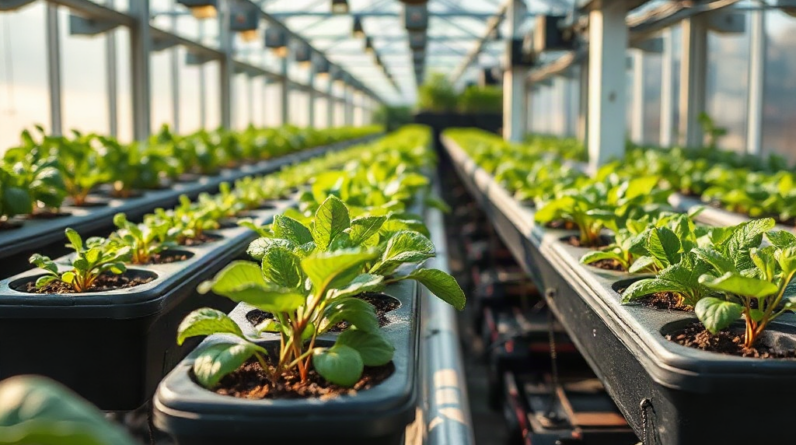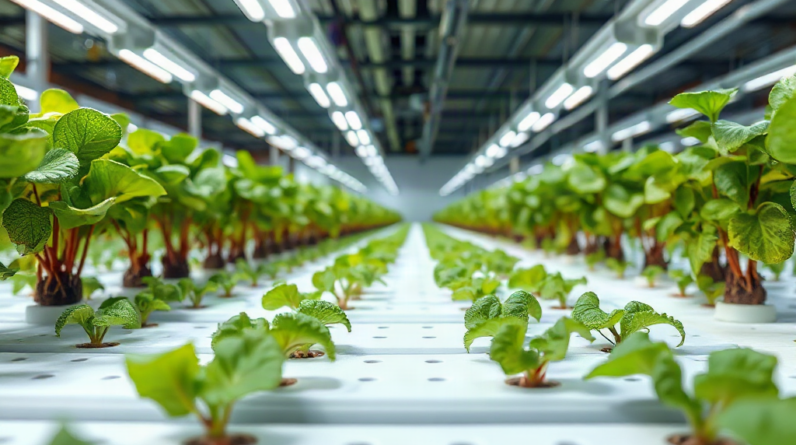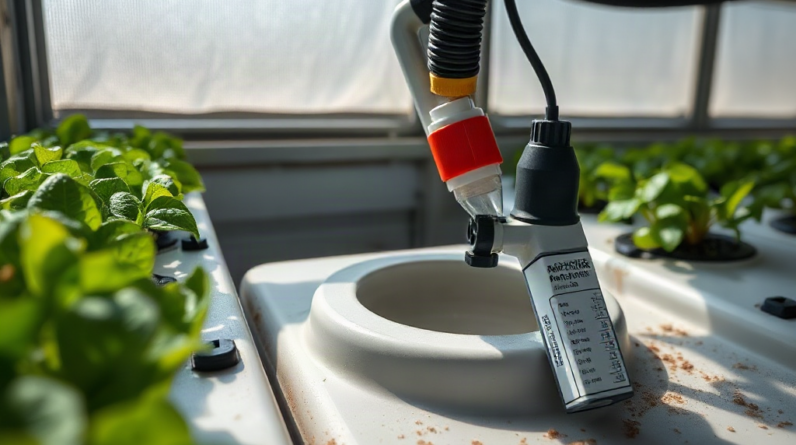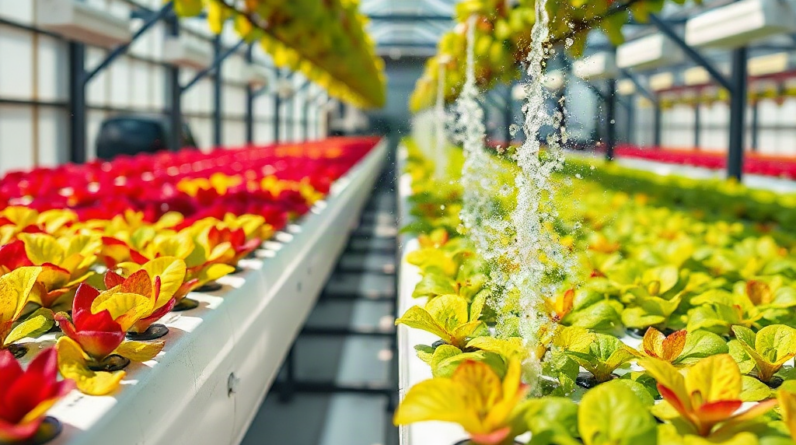
To manage plant height in hydroponics effectively, adjust environmental factors, utilize pruning, and choose suitable plant varieties. Controlling light intensity is vital; too much light can cause plants to stretch, while insufficient light can hinder growth. Implementing training techniques like topping or low-stress training can help maintain desired heights. Additionally, carefully balancing nutrient solutions according to growth stages can prevent excessive elongation. For instance, during the vegetative phase, higher nitrogen levels promote leafy growth, but transitioning to a nutrient mix rich in phosphorus and potassium during flowering can encourage bud development without increasing height.
Understanding Plant Growth Dynamics
Plant height in hydroponics is influenced by several factors, including genetics, light exposure, and nutrient availability. Recognizing how these elements interact is crucial for effective height management. For instance, certain plant varieties inherently grow taller than others; thus, selecting compact varieties can simplify height control. Additionally, understanding the growth stages—seedling, vegetative, and flowering—allows growers to tailor their strategies to specific needs during each phase.
Moreover, environmental conditions such as temperature and humidity play a significant role in plant growth. High temperatures can lead to rapid elongation, while optimal humidity levels support healthy growth. By monitoring these factors, growers can create a more predictable growth pattern, reducing the risk of excessive height.
Environmental Control for Height Management
Controlling environmental parameters is essential for managing plant height effectively. Light intensity and duration are pivotal; too much light can cause plants to stretch towards the source, while insufficient light can stunt growth. Employing adjustable LED grow lights allows for precise control over light exposure, promoting even growth across all plants.
Nutrient management is equally important. A balanced nutrient solution tailored to the growth stage can prevent excessive stretching. For example, higher nitrogen levels promote leafy growth, which can lead to increased height. Conversely, adjusting nutrient ratios to favor phosphorus and potassium during the flowering stage encourages robust bud development without significant height gain.
Pruning Techniques and Their Benefits
Pruning is a critical technique for controlling plant height in hydroponic systems. By selectively removing certain branches or leaves, growers can redirect energy towards more productive parts of the plant. Topping is a common method where the main stem is cut, encouraging lateral growth and reducing overall height.
Another effective pruning strategy is the removal of lower leaves and branches, which not only helps manage height but also improves air circulation and light penetration. This practice can lead to healthier plants and better yields. However, it’s important to prune carefully; excessive cutting can stress the plant and hinder growth.
Training Methods to Control Height
Training techniques such as low-stress training (LST) and high-stress training (HST) can be employed to shape plant growth and manage height. LST involves gently bending and tying down branches to encourage a wider growth pattern, which keeps plants shorter and allows for better light exposure.
In contrast, HST techniques like super cropping involve pinching stems to create stress, promoting bushier growth. While these methods can be effective, they require careful timing and technique to avoid damaging the plant. Each method should be chosen based on the specific goals of the grower and the plant species being cultivated.
Frequently Asked Questions
What is the best way to prevent plants from growing too tall in hydroponics?
Utilizing light control, nutrient management, and pruning techniques are effective ways to prevent excessive height in hydroponics.
How often should I prune my hydroponic plants?
Pruning should be done regularly, especially during the vegetative stage, to maintain desired height and promote healthy growth.
Can I use any plant variety in hydroponics?
While many varieties can thrive in hydroponics, selecting compact or dwarf varieties can make height management easier.
What role does lighting play in managing plant height?
Lighting affects plant height significantly; optimal light intensity and duration can prevent stretching and promote balanced growth.
Is high-stress training safe for all types of plants?
High-stress training can be effective but may not suit all plants; it's crucial to understand the plant's tolerance to stress.
Further Reading
Authoritative Sources
- USDA National Institute of Food and Agriculture
nifa.usda.govResearch and extension resources related to agriculture, plants, soil, and food systems
- Extension Foundation Gardening Resources
extension.orgUniversity extension education resources for practical gardening and home agriculture topics
- USDA Natural Resources Conservation Service
nrcs.usda.govSoil, water, conservation, and land management resources for practical growing decisions
Conclusion
Successfully managing plant height in hydroponics requires a combination of environmental control, pruning, and training techniques. By understanding the dynamics of plant growth and applying targeted strategies, growers can achieve optimal height while maximizing yield. Prioritizing the right methods based on plant variety and growth stage will lead to healthier, more productive plants.