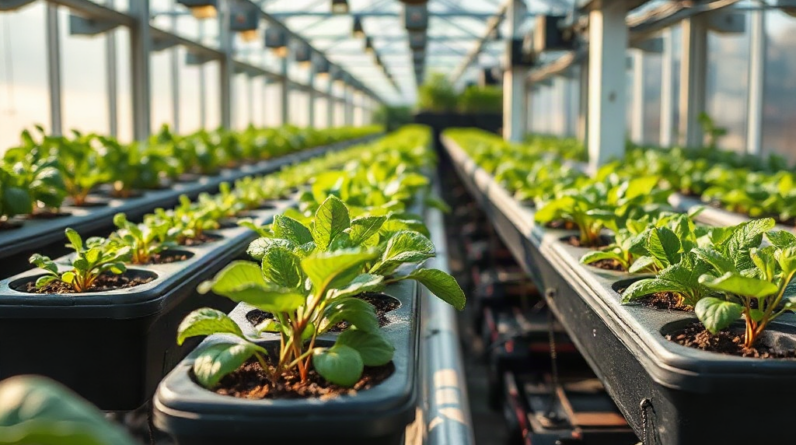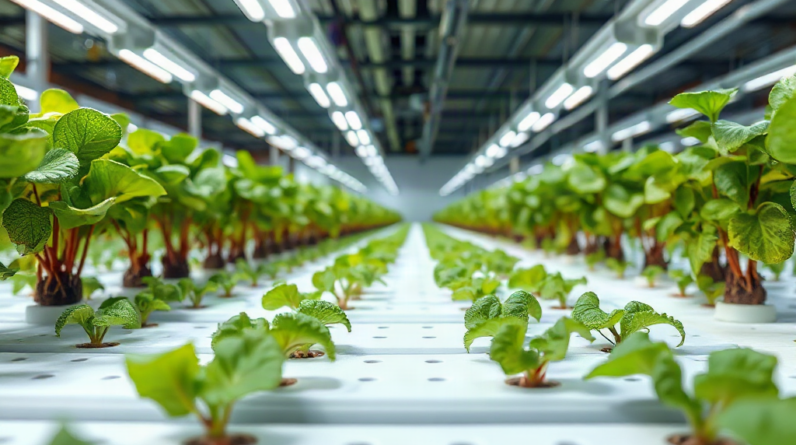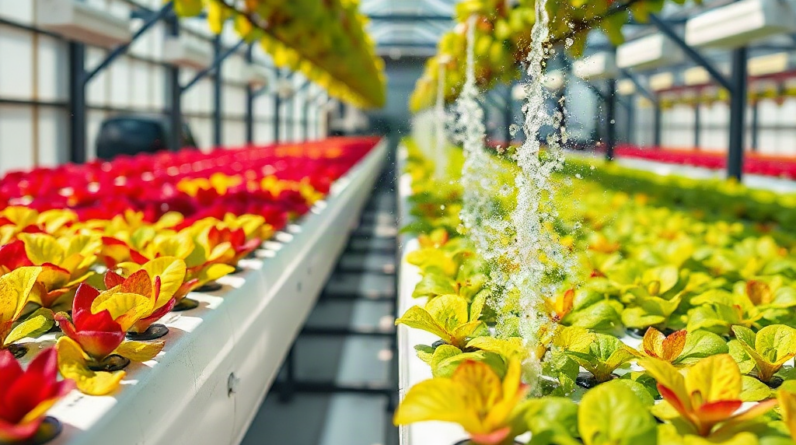
To optimize nutrient timing for hydroponics, align nutrient delivery with the specific growth stages of your plants. For instance, during the germination phase, provide lower nutrient concentrations to support delicate seedlings, while mature plants benefit from higher nutrient levels, particularly nitrogen during vegetative growth and phosphorus and potassium during flowering. Regularly monitor environmental factors such as light intensity and temperature, as these can influence nutrient uptake rates. Avoid common pitfalls like over-fertilization, which can lead to nutrient burn and hinder plant health. Instead, establish a consistent feeding schedule based on growth rates to maximize yield and minimize waste.
Understanding Nutrient Timing in Hydroponics
Nutrient timing in hydroponics refers to the strategic scheduling of nutrient delivery to plants. This practice is crucial because different stages of plant growth require varying nutrient concentrations and types. For instance, seedlings thrive on lower nutrient levels, while mature plants require higher concentrations to support robust growth. Understanding these needs allows growers to maximize nutrient uptake, minimize waste, and ultimately enhance yields.
The importance of nutrient timing is underscored by the fact that plants have distinct phases of growth—germination, vegetative, and flowering—each demanding specific nutrient profiles. By aligning nutrient delivery with these phases, growers can improve plant health and productivity. For example, during the vegetative stage, an increased nitrogen supply is vital for leaf development, while phosphorus and potassium become critical during flowering.
Key Factors Affecting Nutrient Timing
Several factors influence the timing of nutrient application in hydroponics. Firstly, the type of crop being grown plays a significant role. Different plants have unique nutrient requirements based on their species and growth habits. For example, leafy greens generally require more nitrogen compared to fruiting plants, which benefit from higher potassium levels during fruit development.
Environmental conditions also significantly impact nutrient timing. Factors such as light intensity, temperature, and humidity can affect plant metabolism and growth rates. For instance, higher temperatures can accelerate nutrient uptake, necessitating more frequent feeding. Additionally, the hydroponic system type—whether NFT, DWC, or aeroponics—can dictate how nutrients are delivered and absorbed, influencing the overall timing strategy.
Common Mistakes in Nutrient Timing
One of the most common mistakes in hydroponic nutrient timing is over-fertilization. Many growers mistakenly believe that more nutrients equate to faster growth, leading to nutrient burn and stunted development. This can be particularly detrimental during sensitive stages, such as germination or early vegetative growth, where plants are more vulnerable.
Another frequent error is inconsistent feeding schedules. Plants thrive on regular nutrient delivery, and irregular feeding can lead to nutrient deficiencies or toxicities. Growers should establish a consistent feeding routine based on their plants’ growth stages and adapt as necessary, paying attention to environmental changes.
Practical Steps to Optimize Nutrient Timing
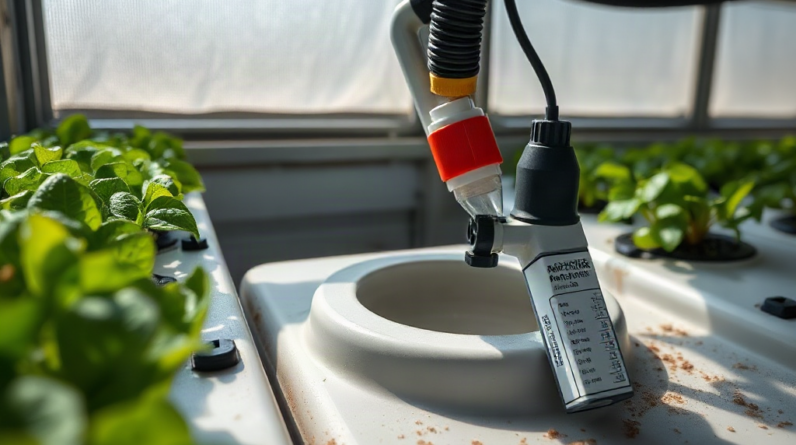
To effectively optimize nutrient timing, growers should start by monitoring their plants closely. Regularly checking for signs of nutrient deficiency or excess can help inform adjustments in feeding schedules. Utilizing tools such as EC (electrical conductivity) meters can provide insights into nutrient concentrations in the solution, allowing for precise adjustments.
Establishing a feeding schedule tailored to the specific growth phases of plants is crucial. For example, during the early vegetative stage, a schedule that emphasizes nitrogen will support leaf growth, while transitioning to a phosphorus-rich mix as plants approach flowering will enhance fruit set. Consideration of environmental factors—such as light cycles and temperature fluctuations—will also enhance timing effectiveness.
Frequently Asked Questions
What is nutrient timing in hydroponics?
Nutrient timing in hydroponics is the strategic scheduling of nutrient delivery to match the specific growth stages of plants, enhancing growth and yield.
Why is nutrient timing important?
Proper nutrient timing ensures that plants receive the right nutrients at the right stages, preventing deficiencies and optimizing growth.
How can I monitor nutrient levels in my hydroponic system?
Using an EC meter can help monitor nutrient levels, allowing you to adjust the feeding schedule as needed for optimal plant health.
What are common mistakes in nutrient timing?
Common mistakes include over-fertilization, inconsistent feeding schedules, and failing to adjust nutrient delivery based on environmental conditions.
How can I optimize my nutrient timing?
Optimize nutrient timing by establishing a consistent feeding schedule based on plant growth stages and closely monitoring environmental factors.
Further Reading
For those looking to deepen their understanding of nutrient timing in hydroponics, several resources provide valuable insights into best practices and scientific research.
Authoritative Sources
- Hydroponics: A Guide to Nutrient Management
hydroponics.comThis resource offers comprehensive guidelines on nutrient management tailored for hydroponic systems
- Nutrient Timing in Hydroponics: Research Findings
ncbi.nlm.nih.govA compilation of research studies that delve into the importance of nutrient timing for optimal plant health
- USDA Guidelines on Hydroponic Nutrient Management
usda.govOfficial guidelines provided by the USDA on managing nutrients within hydroponic systems
Conclusion
Optimizing nutrient timing in hydroponics is essential for maximizing plant growth and yield. By understanding the specific needs of your crops, monitoring environmental conditions, and establishing a consistent feeding schedule, you can significantly enhance nutrient uptake and overall plant health. Pay attention to common mistakes such as over-fertilization and inconsistent feeding to ensure your hydroponic system operates effectively. With careful management and monitoring, you can achieve impressive results in your hydroponic garden.