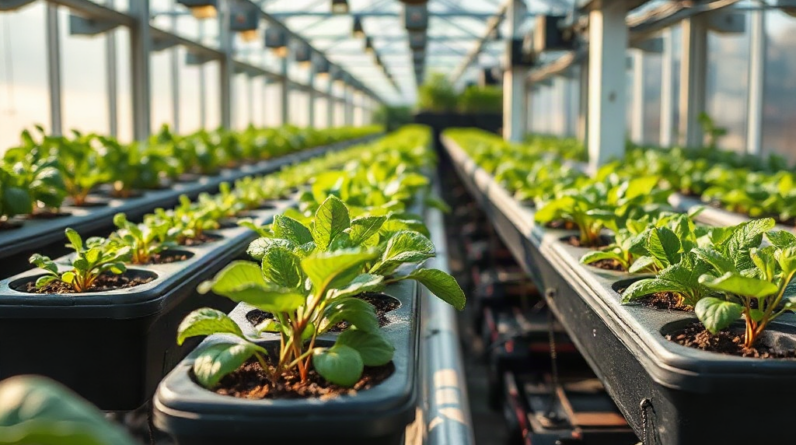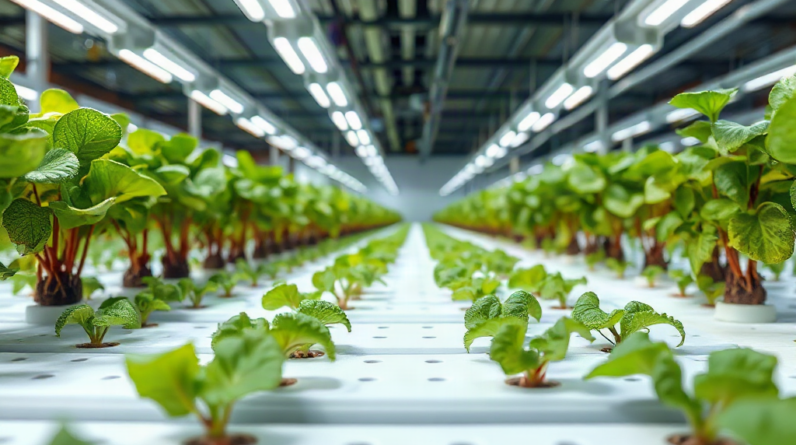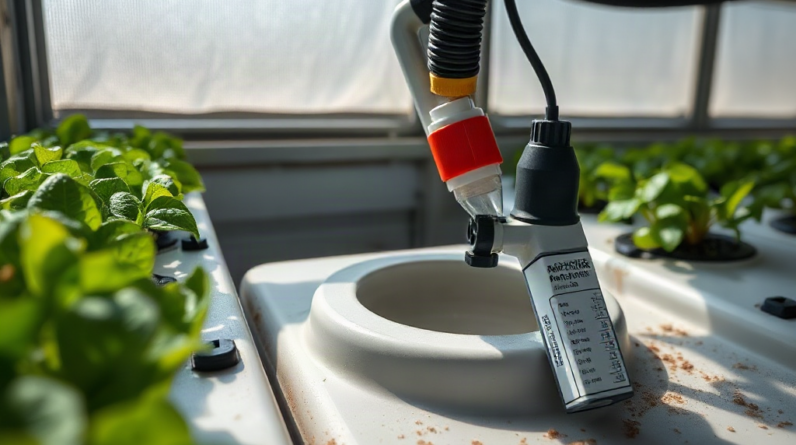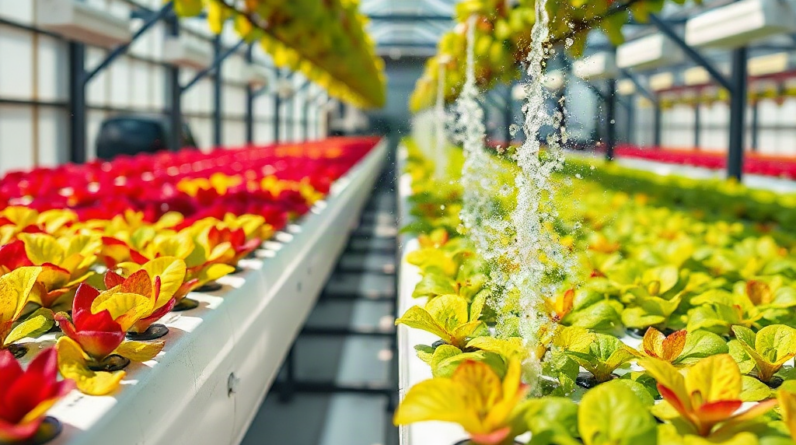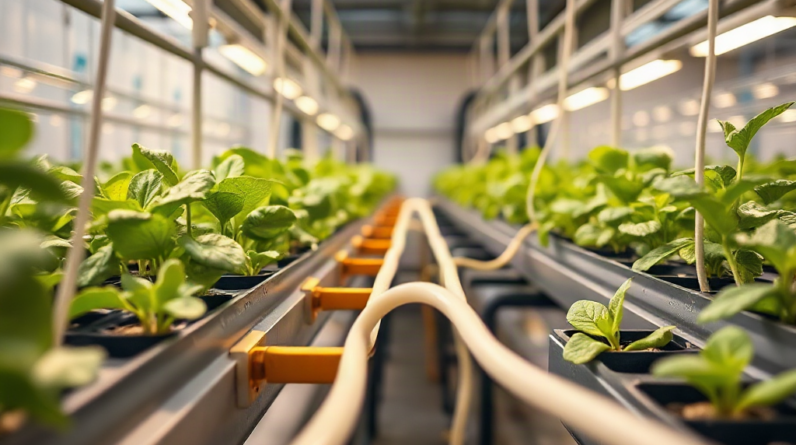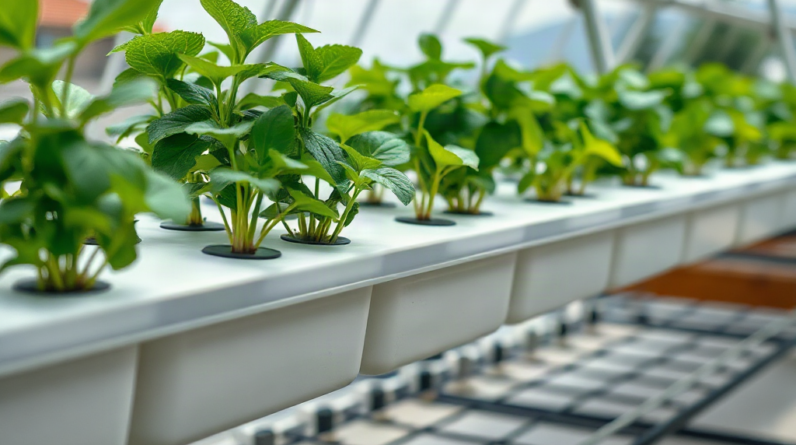
To prevent nutrient lockout in hydroponic systems, it is essential to maintain the pH within the optimal range of 5.5 to 6.5. Regular monitoring of both pH levels and nutrient concentrations can help avoid the conditions that lead to nutrient lockout, such as excessive nutrient buildup or imbalances. Using water-soluble fertilizers with the correct nutrient ratios is crucial for enhancing nutrient availability. Additionally, growers should regularly test water quality to identify contaminants that may hinder nutrient absorption. By implementing these practices, plants can effectively uptake essential minerals, promoting robust growth and overall health.
Understanding Nutrient Lockout
Nutrient lockout occurs when plants in hydroponic systems are unable to absorb nutrients due to various environmental factors. This condition often arises from improper pH levels, excessive nutrient concentrations, or poor water quality. Understanding the causes of nutrient lockout is crucial for maintaining healthy plant growth and maximizing yield. When nutrient uptake is hindered, plants can exhibit symptoms such as yellowing leaves, stunted growth, and overall poor health.
Common causes of nutrient lockout include fluctuations in pH, nutrient imbalances, and the presence of contaminants in the water supply. For instance, if the pH level of the nutrient solution rises above optimal levels, it can lead to the precipitation of certain nutrients, making them unavailable for plant uptake. Additionally, high concentrations of certain nutrients can create an imbalance, further exacerbating the issue.
Maintaining Optimal pH Levels
To prevent nutrient lockout, it is vital to maintain optimal pH levels in your hydroponic system. The ideal pH range for most hydroponic crops falls between 5.5 and 6.5. When the pH strays outside this range, nutrient availability diminishes, leading to deficiencies. Regularly testing and adjusting the pH of your nutrient solution is essential for ensuring that plants can effectively absorb the nutrients they need.
For example, if your pH meter indicates a reading of 7.0 or higher, it may be time to lower the pH using acids such as phosphoric acid or citric acid. Conversely, if the pH is too low, you can use pH up solutions to raise it. Implementing a routine schedule for testing and adjusting pH levels will help maintain a stable environment for your plants.
Balancing Nutrient Concentrations
Another critical factor in preventing nutrient lockout is ensuring that nutrient concentrations are balanced. Over-fertilization can lead to nutrient lockout by creating an excess of certain minerals, which can inhibit the uptake of others. It is essential to follow recommended nutrient guidelines and to monitor the electrical conductivity (EC) of your nutrient solution to maintain proper nutrient balance.
For instance, a nutrient solution with an EC level that is too high may indicate an overabundance of nutrients. In such cases, diluting the solution with water can help restore balance. Additionally, using a comprehensive nutrient solution that contains all essential macro and micronutrients will ensure that plants have access to everything they need without the risk of lockout.
Regular Monitoring and Adjustments
Regular monitoring of your hydroponic system is crucial for preventing nutrient lockout. This includes checking the pH, EC levels, and overall water quality. Implementing a consistent schedule for these checks can help identify potential issues before they escalate. It is also beneficial to maintain a clean system free of algae and contaminants, as these can negatively impact nutrient absorption.
Additionally, consider using a water filtration system to remove impurities that could contribute to nutrient lockout. Regularly replacing the nutrient solution and flushing the system can also help prevent buildup and ensure that plants receive a fresh supply of nutrients. By being proactive and attentive, growers can effectively mitigate the risk of nutrient lockout and promote optimal plant health.
Frequently Asked Questions
What is nutrient lockout?
Nutrient lockout is a condition where plants cannot absorb essential nutrients due to unfavorable environmental conditions, leading to deficiencies and poor growth.
How can I check the pH of my hydroponic system?
You can check the pH using a digital pH meter or pH test strips designed for hydroponic systems.
What are the symptoms of nutrient lockout?
Common symptoms include yellowing leaves, stunted growth, and overall poor plant health.
How often should I monitor my nutrient solution?
It is advisable to monitor your nutrient solution at least once a week for pH and EC levels to maintain optimal conditions.
What can cause nutrient lockout in hydroponics?
Nutrient lockout can be caused by improper pH levels, excessive nutrient concentrations, and contaminants in the water supply.
Further Reading
Authoritative Sources
- Hydroponics Basics
hydroponics.comThis resource provides an overview of hydroponic systems and best practices for nutrient management
- Nutrient Management in Hydroponics
nutrientguide.comLearn about the importance of nutrient balance and how to avoid common pitfalls
- Understanding pH in Hydroponics
gardeningknowhow.comThis article explains how pH affects nutrient availability and tips for maintenance
- USDA Hydroponics Resources
agriculture.govOfficial USDA resources on hydroponic practices and nutrient management strategies
Conclusion
Preventing nutrient lockout in hydroponic systems is essential for achieving healthy plant growth and optimal yields. By maintaining proper pH levels, balancing nutrient concentrations, and regularly monitoring your system, you can significantly reduce the risk of nutrient lockout. Implementing these practices will help ensure that your plants have access to the nutrients they need to thrive, ultimately leading to a successful hydroponic gardening experience.