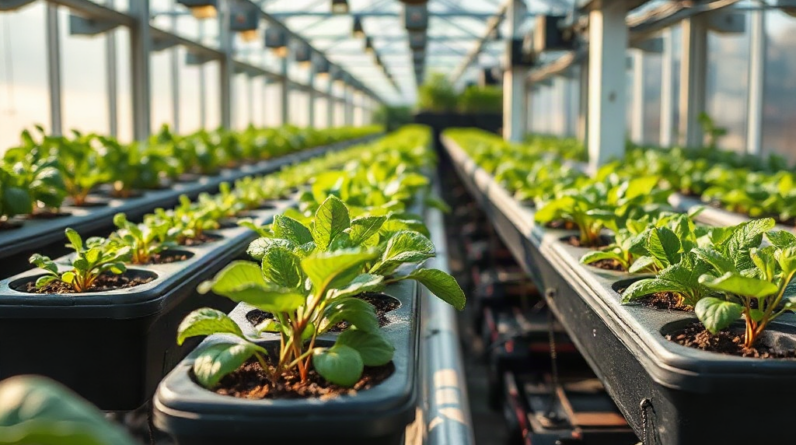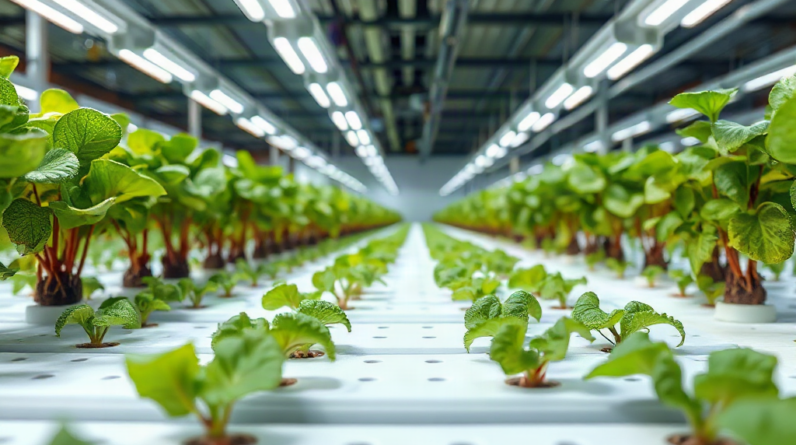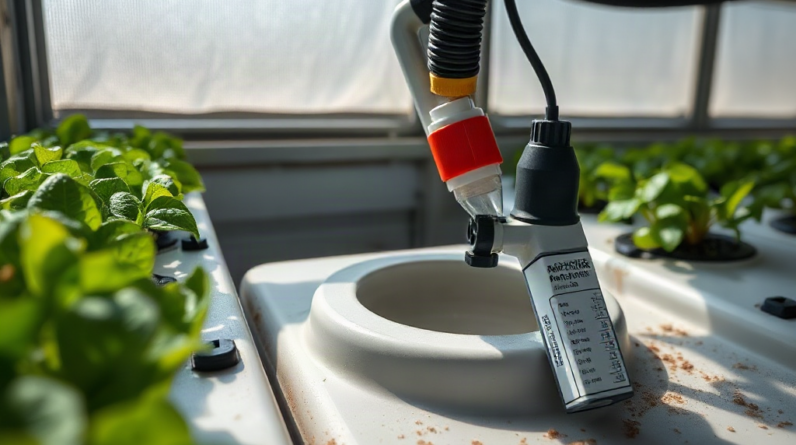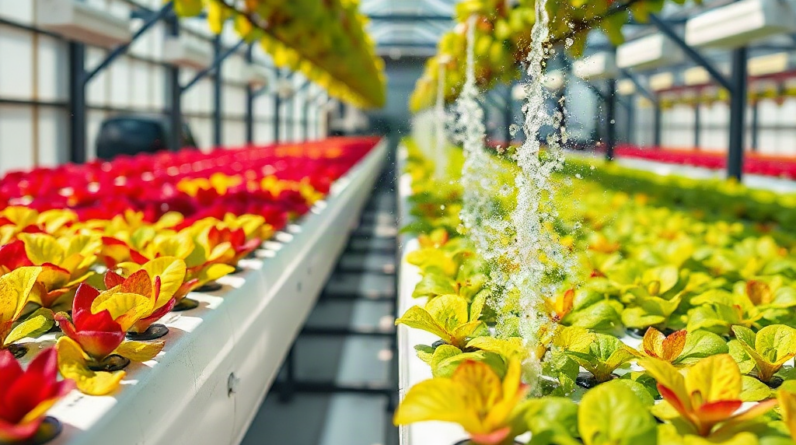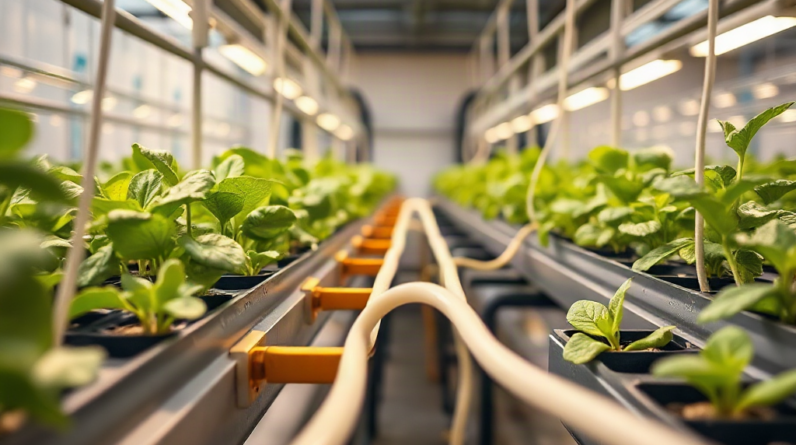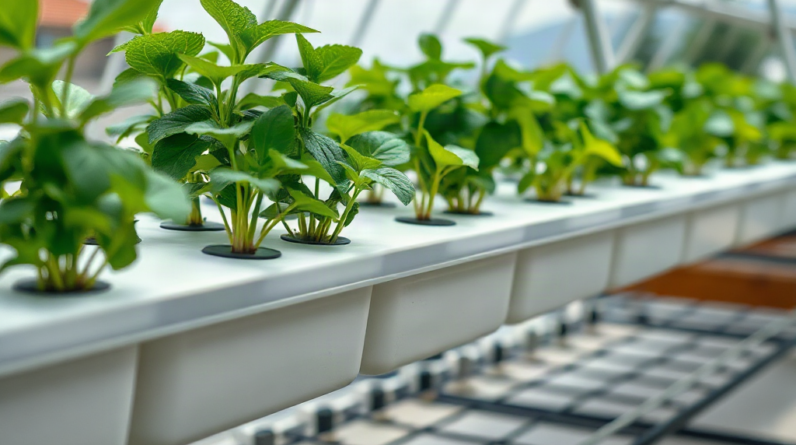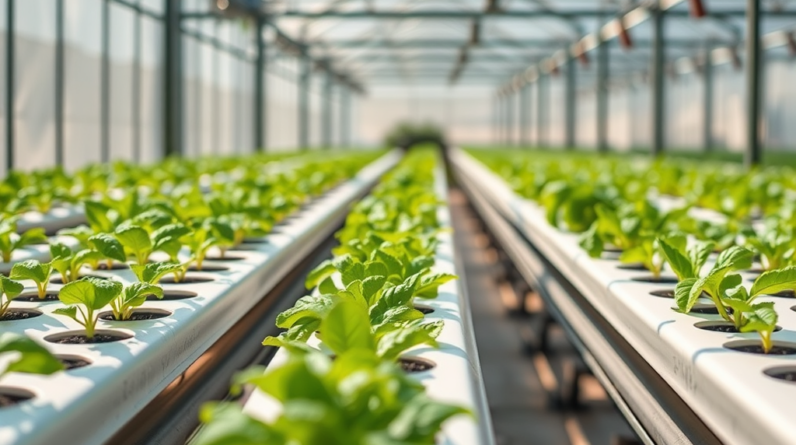
To prevent nutrient solution evaporation in summer, it’s essential to implement effective strategies that maintain moisture levels. Covering your nutrient reservoirs with lids or floating rafts can significantly reduce surface area exposure, thereby minimizing evaporation. Additionally, using water-retaining gels can help absorb excess moisture and gradually release it, maintaining humidity around the roots. Shading your hydroponic setup during the hottest parts of the day can also lower temperatures, further reducing evaporation rates. Monitoring your system closely during high temperatures is crucial to ensure nutrient stability and prevent potential deficiencies or imbalances.
Understanding Nutrient Solution Evaporation
Nutrient solution evaporation occurs when water content in your hydroponic system decreases due to heat and low humidity, particularly during summer months. This can lead to an imbalance of nutrients, affecting plant health and growth. Understanding the factors that contribute to evaporation is crucial for maintaining a stable environment for your plants.
High temperatures often exacerbate evaporation rates, while low humidity can further increase the risk. When the nutrient solution evaporates, the concentration of nutrients can rise, potentially causing nutrient burn or deficiencies. Monitoring your system closely during hot weather is essential for preventing these issues.
Methods to Reduce Evaporation
Implementing effective methods to reduce evaporation can significantly enhance the stability of your nutrient solution. One of the simplest strategies is to cover your nutrient reservoirs with lids or floating rafts. This minimizes surface area exposure, thereby reducing evaporation rates.
Another effective approach is to use water-retaining gels or polymers in your solution. These products absorb excess moisture and release it slowly, maintaining humidity levels around the roots and reducing evaporation from the solution itself. Additionally, consider shading your hydroponic setup during peak sunlight hours to lower temperatures and reduce evaporation.
Optimal Environmental Conditions
Creating optimal environmental conditions is vital for minimizing nutrient solution evaporation. Maintaining a stable temperature in your growing area can help reduce evaporation rates. Aim to keep your nutrient reservoir temperature below 70°F (21°C) to minimize evaporation and maintain nutrient stability.
Humidity plays a critical role as well; a higher humidity level around 60-70% can significantly reduce evaporation. Utilizing humidifiers or misting systems can help achieve these levels, especially in dry climates. Additionally, ensuring proper air circulation can prevent localized hot spots that contribute to evaporation.
Common Mistakes to Avoid
Many growers inadvertently contribute to nutrient solution evaporation through common mistakes. One frequent error is neglecting to monitor temperature and humidity levels regularly. Without proper monitoring, it’s easy to overlook fluctuations that can lead to increased evaporation.
Another mistake is failing to use covers or proper shading for reservoirs. Exposing nutrient solutions to direct sunlight can sharply increase evaporation rates. Lastly, many growers forget to adjust their nutrient concentrations during hotter months, assuming they remain the same regardless of evaporation, which can lead to nutrient imbalances.
Frequently Asked Questions
What factors contribute to nutrient solution evaporation?
High temperatures and low humidity are the primary factors that contribute to nutrient solution evaporation, leading to nutrient imbalances.
How can I maintain humidity in my hydroponic system?
Using humidifiers, misting systems, or covering your reservoirs can help maintain optimal humidity levels in your hydroponic system.
What temperature should my nutrient reservoir be?
Aim to keep your nutrient reservoir temperature below 70°F (21°C) to minimize evaporation and maintain nutrient stability.
Can water-retaining gels help with nutrient solution evaporation?
Yes, water-retaining gels can absorb moisture and release it slowly, helping to maintain humidity and reduce evaporation in your nutrient solution.
How often should I check my nutrient solution levels?
During the summer months, check your nutrient solution levels daily to ensure that evaporation does not lead to nutrient imbalances.
Further Reading
Authoritative Sources
- Library of Congress Research Guides
guides.loc.govResearch guides that help readers locate reliable background sources on a wide range of subjects
- USA.gov Official Information and Services
usa.govOfficial U.S. government information and public resources for practical reference
- Google Scholar
scholar.google.comAcademic search resource for finding research literature and source material
Conclusion
Preventing nutrient solution evaporation in summer is essential for maintaining healthy plants and stable nutrient levels. Focus on creating optimal environmental conditions, utilizing effective methods to reduce evaporation, and avoiding common mistakes. Regular monitoring and proactive adjustments will help ensure your hydroponic system thrives even in the hottest months.