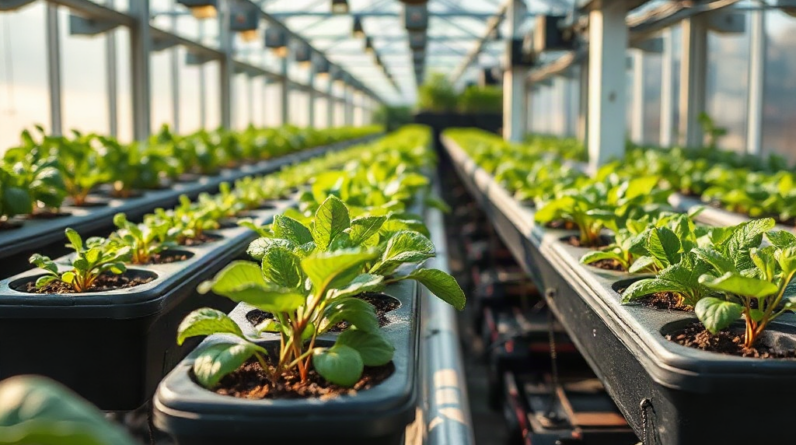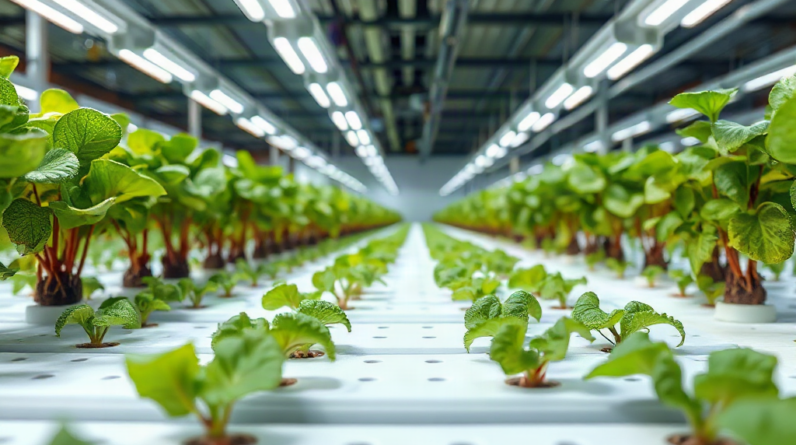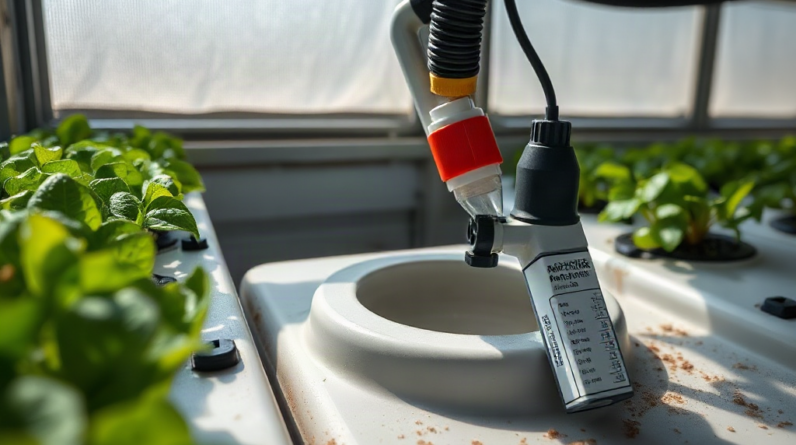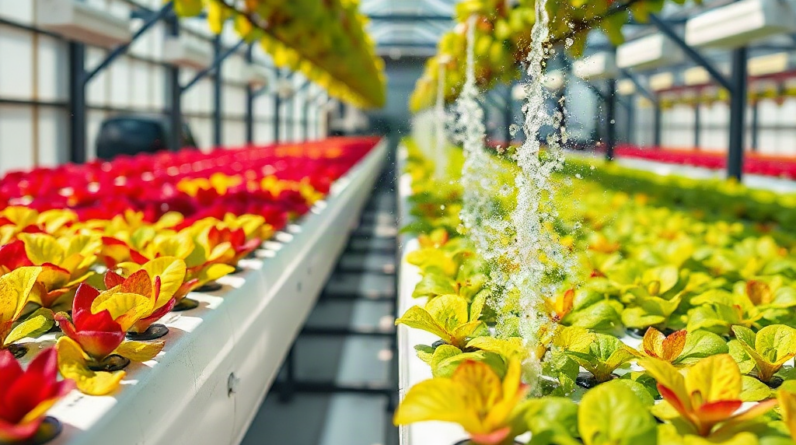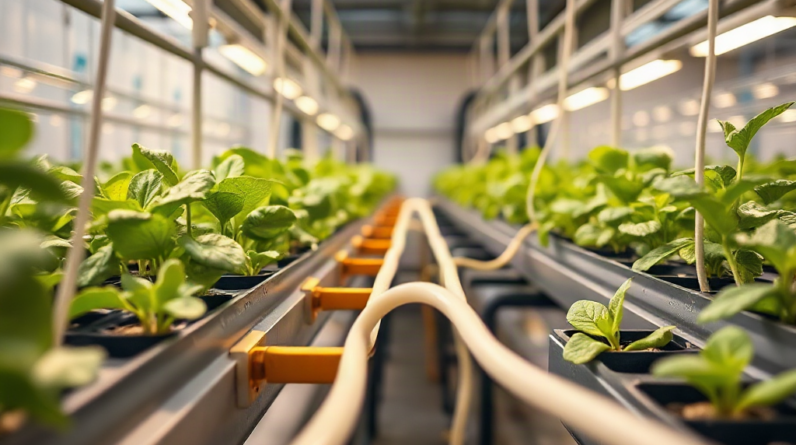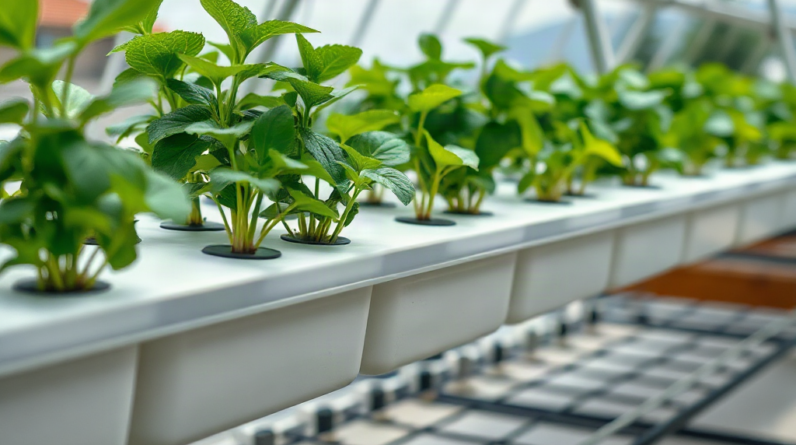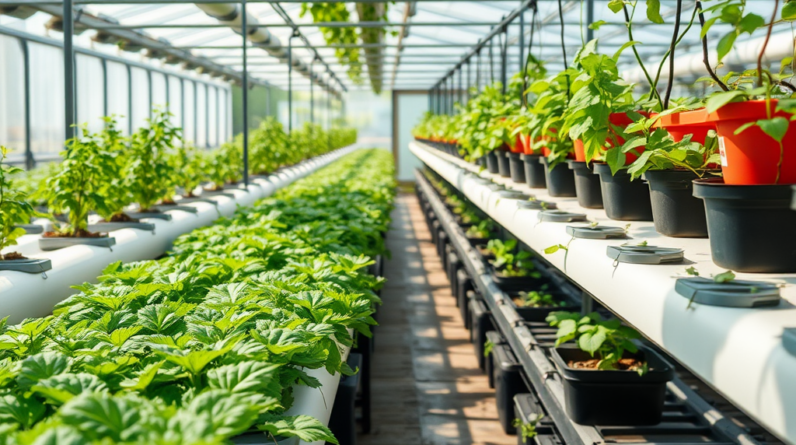
To prevent pests in hydroponic gardens, adopt integrated pest management (IPM) techniques, which combine biological, cultural, and mechanical strategies. Regularly inspect your plants for early signs of pests and maintain a clean environment by routinely sanitizing your system and tools. Utilizing beneficial insects, such as ladybugs, can naturally control pest populations. Additionally, ensure proper air circulation to reduce humidity, which can attract pests. By focusing on plant health and cleanliness, you can create an unfavorable environment for pests, significantly minimizing infestations.
Understanding Integrated Pest Management (IPM)
Integrated Pest Management (IPM) is a holistic approach to pest control that combines various strategies to minimize pest populations while reducing risks to human health and the environment. It emphasizes understanding pest biology and ecology to implement effective control measures. For hydroponic gardens, IPM strategies may include biological control, cultural practices, and mechanical controls, all aimed at creating an unfavorable environment for pests.
By employing IPM, growers can significantly reduce the need for chemical pesticides, which can affect plant health and the quality of produce. For instance, introducing predatory insects like ladybugs can naturally control aphid populations, while ensuring that plants are healthy and robust can deter pests from infesting the garden. Furthermore, IPM encourages regular assessment of pest populations, allowing for timely intervention when necessary.
Maintaining Cleanliness in Your Hydroponic System
Cleanliness is paramount in hydroponic gardening, as pests thrive in dirty environments. Regularly cleaning your hydroponic system, including reservoirs, grow trays, and nutrient solutions, can significantly reduce pest attraction. Debris, decaying plant matter, and stagnant water can serve as breeding grounds for pests like gnats and aphids.
To maintain a clean environment, schedule routine cleaning sessions where you thoroughly wash all components with a diluted bleach solution or a mild soap. Rinse well to remove any residues and ensure that your system is free from contaminants. Additionally, sanitizing tools and equipment before and after use can prevent the spread of pests and diseases, thus protecting your hydroponic garden.
Utilizing Beneficial Insects
Beneficial insects are a key component of pest management in hydroponic gardens. These insects, such as ladybugs, lacewings, and predatory mites, can help control pest populations naturally. By releasing these beneficial species into your garden, you create a balanced ecosystem where natural predators keep harmful pests in check.
When utilizing beneficial insects, it’s essential to understand their life cycles and preferences. For example, ladybugs are most effective against aphids, and they thrive in environments with plenty of food sources. To maximize their effectiveness, release them in the evening and ensure that your plants are healthy, as robust plants can better withstand pest pressure. However, keep in mind that beneficial insects require specific conditions to thrive, so monitor their populations and adjust your strategies accordingly.
Regular Monitoring and Inspection
Regular monitoring and inspection are crucial for early detection of pest issues in hydroponic gardens. By routinely checking plants for signs of pests, such as discolored leaves, webbing, or visible insects, you can address problems before they escalate. Use a magnifying glass to inspect the undersides of leaves, where many pests tend to hide.
Implementing a monitoring schedule, such as inspecting plants weekly, can help you stay ahead of potential infestations. Additionally, maintaining records of pest populations and their corresponding treatments can provide valuable insights into the effectiveness of your pest management strategies. This proactive approach not only protects your plants but also saves time and resources in the long run.
Common Mistakes to Avoid
Even with the best intentions, some common mistakes can hinder pest prevention efforts in hydroponic gardens. One prevalent error is overwatering, which can create a damp environment conducive to pests like fungus gnats. Ensure that your watering practices are balanced to avoid excess moisture.
Another mistake is neglecting plant health. Weak plants are more susceptible to pest infestations, so prioritize regular feeding with appropriate nutrients to ensure they remain robust. Lastly, relying solely on chemical pesticides can lead to pest resistance; therefore, integrating multiple pest management strategies is essential for long-term success.
Frequently Asked Questions
What are the best methods to prevent pests in hydroponic gardens?
The best methods include implementing integrated pest management (IPM), maintaining cleanliness, using beneficial insects, and regularly monitoring plants for early signs of infestation.
How often should I inspect my hydroponic garden for pests?
Inspect your hydroponic garden at least once a week to catch any potential pest problems early before they escalate.
Can beneficial insects really help control pests?
Yes, beneficial insects like ladybugs and predatory mites can effectively control pest populations by preying on harmful insects in your garden.
What common mistakes should I avoid in pest prevention?
Avoid overwatering, neglecting plant health, and relying solely on chemical pesticides, as these can create conditions that attract pests or lead to resistance.
How does cleanliness impact pest prevention in hydroponic systems?
Maintaining cleanliness in hydroponic systems reduces the attraction of pests by eliminating debris and stagnant water, which can serve as breeding grounds.
Further Reading
Authoritative Sources
- USDA – Pest Management
usda.govProvides guidelines and resources for effective pest management strategies in agricultural settings
- National Extension – Integrated Pest Management
extension.orgA comprehensive resource for understanding IPM practices and their applications in various gardening contexts
- EPA – Pesticide Registration
epa.govOffers information on pesticide regulations and safe usage in gardening
Conclusion
Preventing pests in hydroponic gardens requires a proactive approach that integrates multiple strategies. Focus on maintaining cleanliness, utilizing beneficial insects, and regularly monitoring your plants to catch infestations early. By understanding the principles of integrated pest management and avoiding common mistakes, you can create a thriving hydroponic environment that minimizes pest problems. Prioritize plant health and cleanliness to enhance the resilience of your garden, ensuring that you enjoy a bountiful harvest.