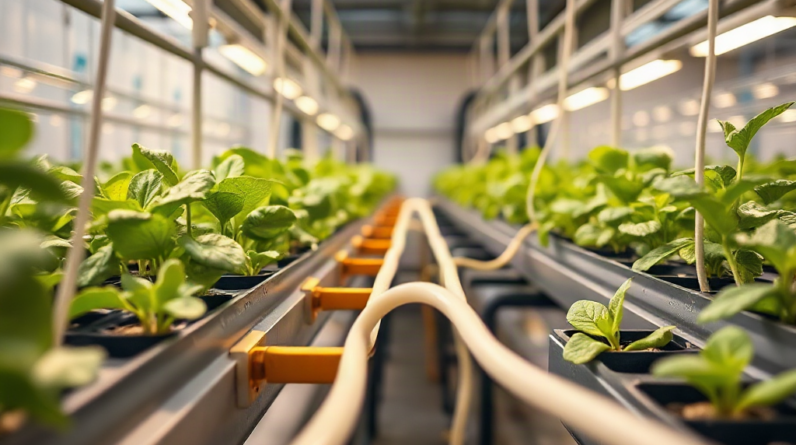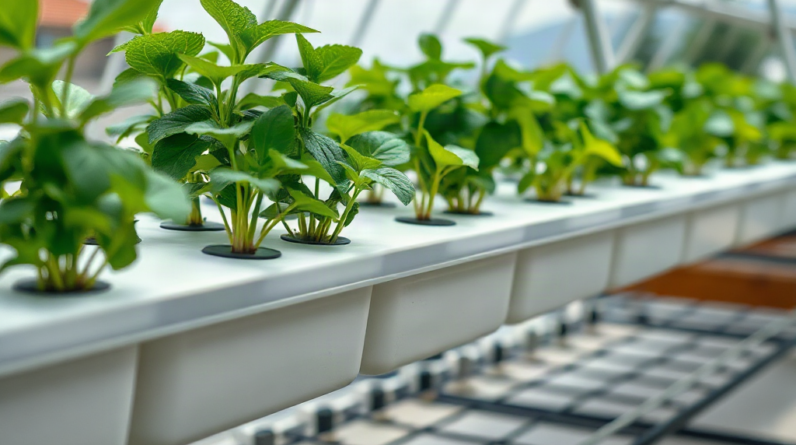
Effective pruning not only helps in shaping the plants but also enhances their overall health. In hydroponic systems, plants often experience rapid growth, leading to overcrowding. This can cause competition for light and nutrients, which can hinder plant development. Therefore, it’s essential to prioritize pruning to ensure that each plant receives adequate light and airflow. By removing unnecessary foliage, you allow the plant to focus its energy on producing fruit and flowers, ultimately leading to a more bountiful harvest.
A common mistake many hydroponic gardeners make is pruning too aggressively or at the wrong time. It’s important to understand the specific growth cycle of your plants. For instance, some plants may benefit from light pruning throughout their growing stage, while others may require more significant cuts during specific periods. Always assess the plant’s health before deciding how much to prune, and avoid cutting more than 20-30% of the foliage at once to prevent shock.
Understanding the Basics of Hydroponic Plant Pruning
Hydroponic plant pruning is a fundamental practice that ensures your plants grow efficiently and produce high yields. The primary goal of pruning is to remove any parts of the plant that are dead, diseased, or unproductive. This not only helps in maintaining the plant’s health but also optimizes the energy allocation towards the productive parts of the plant. In hydroponics, where the nutrient solution is carefully controlled, pruning becomes even more critical as it directly impacts the plant’s ability to absorb nutrients effectively.
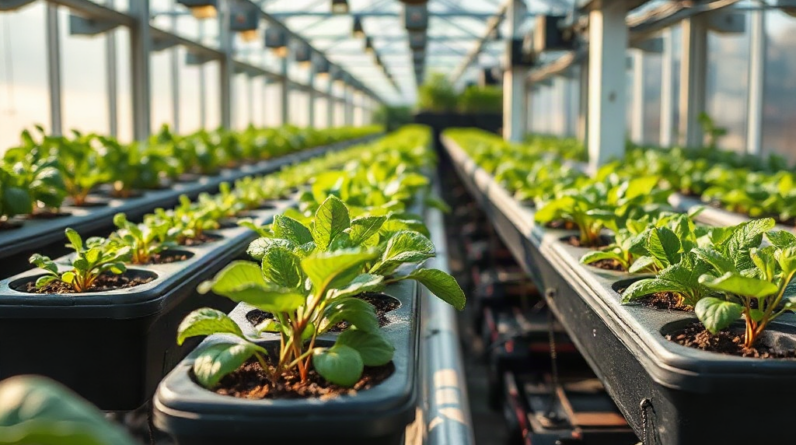
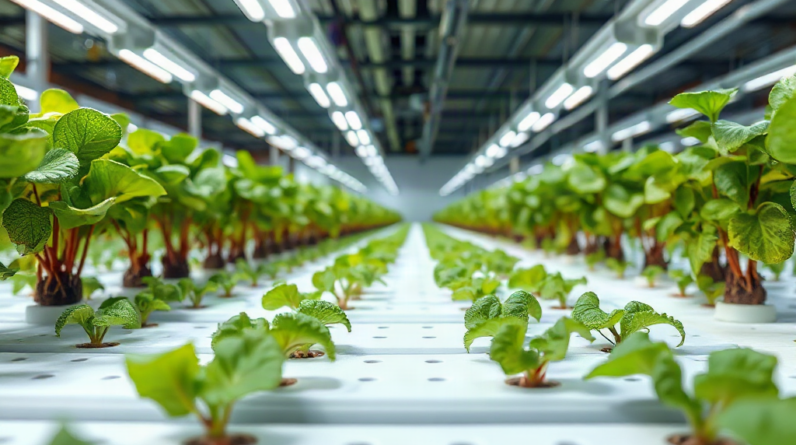
In a hydroponic setup, plants often grow rapidly due to the ideal conditions provided. This growth can lead to overcrowding, where leaves may block light from reaching lower parts of the plant. Regular pruning helps to create an open canopy, allowing light to penetrate deeper into the foliage. This practice can lead to improved air circulation, reducing the risk of mold and pests, which are common challenges in hydroponic systems.
Moreover, understanding the specific growth patterns of your plants can inform your pruning strategy. For instance, indeterminate varieties may require more frequent pruning compared to determinate types. Being aware of these differences can help you tailor your approach to maximize yield.
When to Prune Hydroponic Plants
Timing is crucial when it comes to pruning hydroponic plants. Generally, the best time to prune is during the vegetative stage, when the plants are actively growing. Pruning during this phase encourages the plants to develop new shoots and leaves, which can ultimately lead to higher yields. It’s advisable to avoid heavy pruning during the flowering stage, as this can stress the plants and affect fruit production.
Additionally, seasonal changes can influence the timing of pruning. For example, if you’re growing year-round, you may need to adjust your pruning schedule based on the growth patterns observed during different seasons. Regular monitoring of plant health and growth will allow you to identify the optimal pruning times effectively.
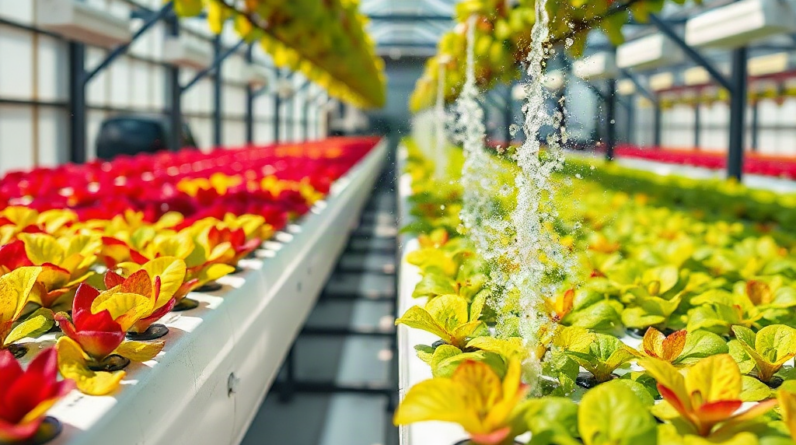
Consider also the specific type of hydroponic system you are using. Systems such as Nutrient Film Technique (NFT) or Deep Water Culture (DWC) may require different pruning approaches. Always tailor your pruning schedule to the unique needs of your plants and the hydroponic system in use.
Common Mistakes in Hydroponic Pruning
One of the most prevalent mistakes in hydroponic pruning is removing too much foliage at once. This can lead to shock, stunted growth, and even plant death. A good rule of thumb is to avoid cutting more than 20-30% of the plant at one time. Another common error is pruning at the wrong time; cutting during the flowering phase can severely impact fruit and flower production.
Additionally, many gardeners neglect to sterilize their pruning tools, which can introduce diseases into the garden. Using clean, sharp tools is essential to prevent the spread of pathogens. Always disinfect your tools before and after pruning to maintain the health of your plants.
Finally, failing to assess the plant’s overall health before pruning can lead to misguided cuts. Always examine the plant carefully to determine which parts are unhealthy and prioritize those for removal. This focused approach will ensure that your plants remain healthy and productive.
Techniques for Effective Pruning
To effectively prune hydroponic plants, start by using sharp, clean pruning shears to make precise cuts. Focus on removing yellowing leaves, dead branches, and any growth that obscures light to lower leaves. Aim for a balanced shape to ensure even light distribution across the plant. For climbing plants, consider guiding them along trellises to minimize overcrowding and promote better airflow.
When pruning, make cuts just above a leaf node, as this encourages new growth from that point. Regularly assess your plants and prune as needed, rather than waiting for significant overgrowth. This consistent maintenance will lead to healthier plants and increased yields over time.
In addition to basic pruning, consider employing techniques such as topping, where the main stem is cut to encourage bushier growth. This method is particularly useful for plants that tend to grow tall and leggy. Always tailor your pruning techniques to the specific needs and growth habits of your plants.
Further Reading
Authoritative Sources
- MedlinePlus
medlineplus.govConsumer-friendly medical and health information from the U.S. National Library of Medicine.
- National Institutes of Health
nih.govResearch-based health information and links to authoritative medical resources.
- Centers for Disease Control and Prevention
cdc.govOfficial public health guidance, prevention resources, and topic-specific recommendations.
- Mayo Clinic
mayoclinic.orgTrusted clinical guidance, symptom explainers, and treatment overviews.
- World Health Organization
who.intGlobal health guidance, fact sheets, and evidence-based public health information.
Frequently Asked Questions
What is the best time to prune hydroponic plants?
The best time to prune hydroponic plants is during the vegetative stage when they are actively growing. This encourages new growth and helps maximize yield.
How often should I prune my hydroponic plants?
Pruning frequency depends on the growth rate of your plants. Regular monitoring is essential, but generally, pruning every few weeks can help maintain healthy growth.
Can I prune hydroponic plants during flowering?
It’s best to avoid heavy pruning during the flowering stage, as this can stress the plants and negatively affect fruit production.
What tools do I need for pruning hydroponic plants?
Sharp, clean pruning shears are essential for making precise cuts. Additionally, consider using gloves and disinfectant for your tools to prevent disease spread.
What are the signs that my plants need pruning?
Look for yellowing leaves, overcrowded growth, or any dead branches. These are indicators that your plants require pruning to maintain health and productivity.
Conclusion
In summary, pruning hydroponic plants is a vital practice that promotes healthy growth and maximizes yield. By understanding the best timing and techniques for pruning, you can ensure that your plants thrive. Avoid common mistakes such as over-pruning or neglecting tool hygiene, and regularly assess your plants to determine when pruning is necessary. Prioritize maintaining an open canopy for optimal light exposure and air circulation. With diligent care and proper pruning, your hydroponic garden can flourish and produce abundant crops.