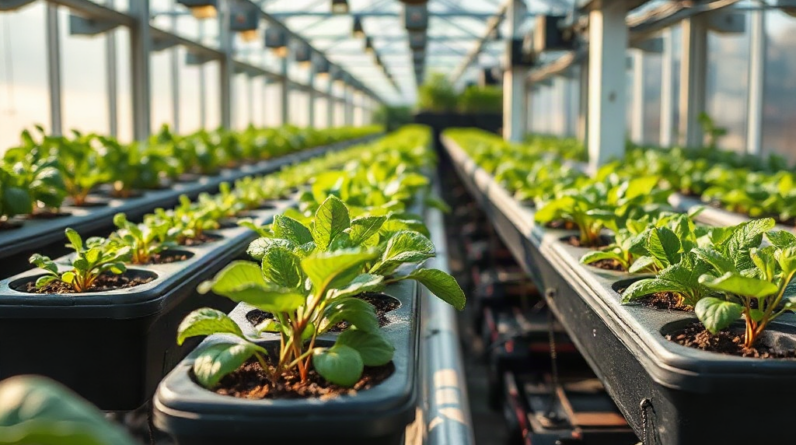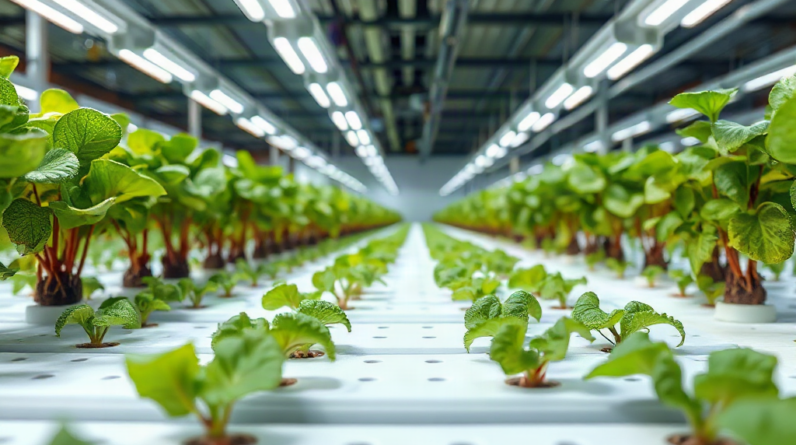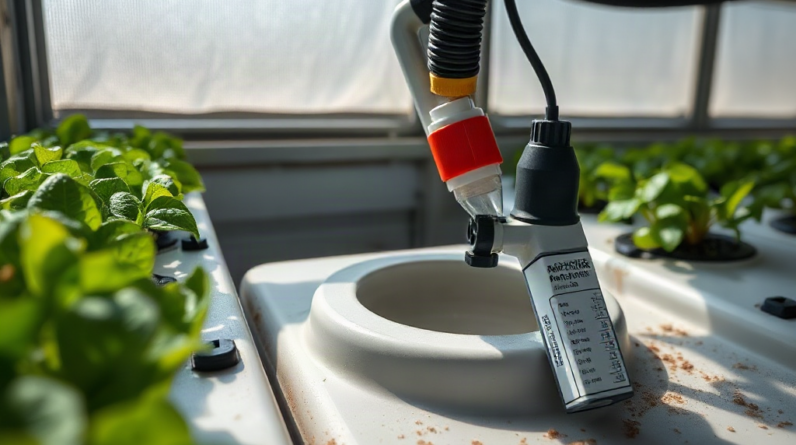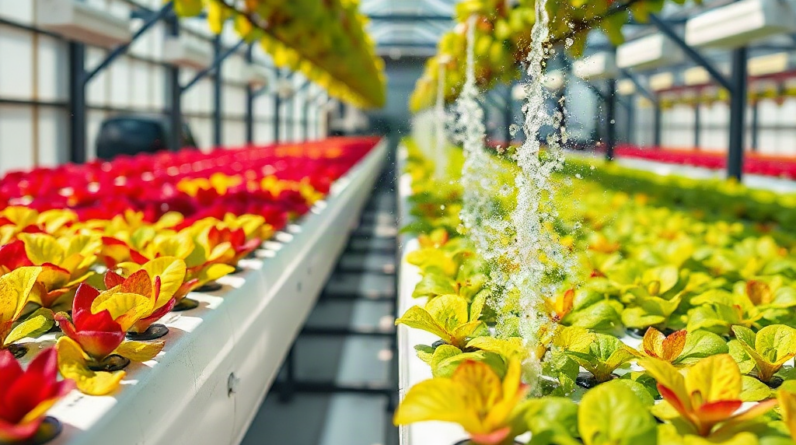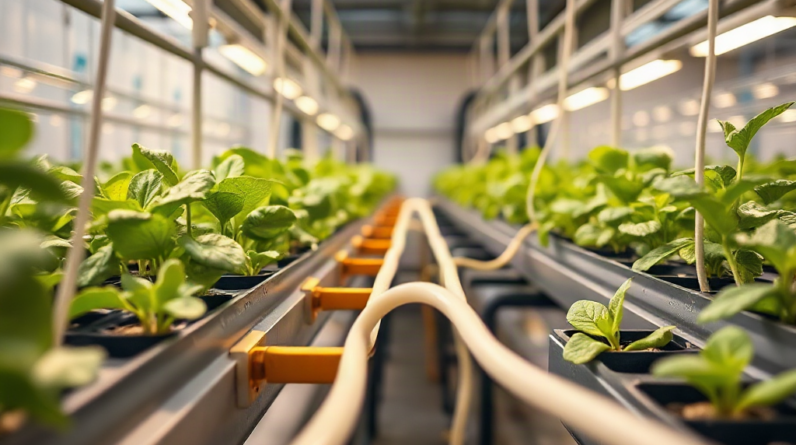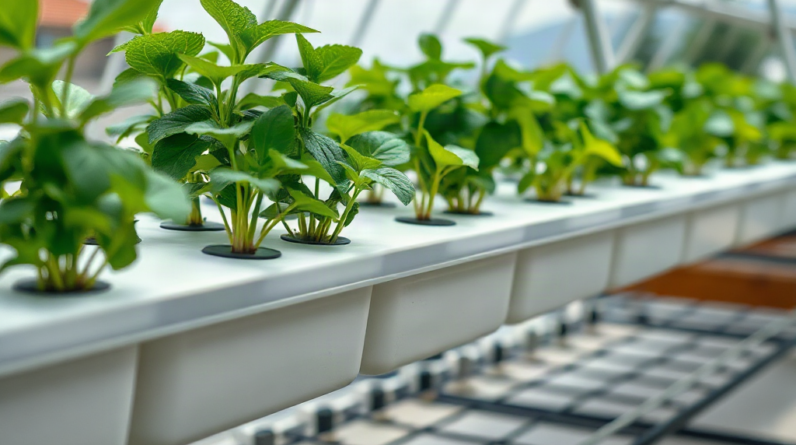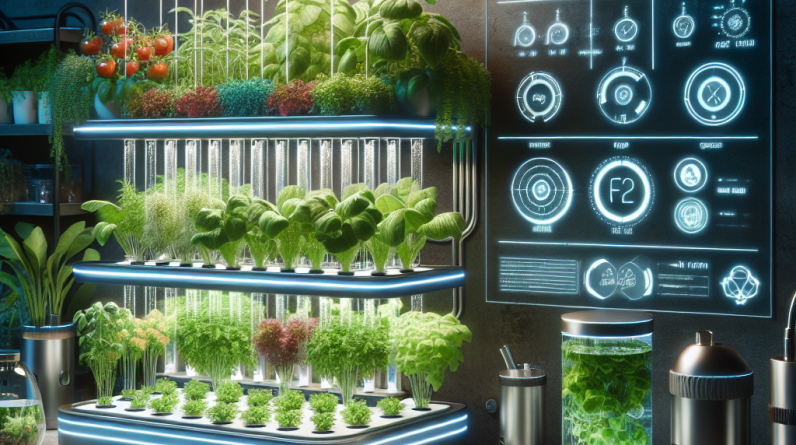
To prevent root rot in hydroponic gardens, it is essential to maintain optimal water quality and ensure adequate aeration. Root rot often occurs due to overwatering and poor drainage, which create anaerobic conditions that promote fungal growth. Regularly testing water pH and nutrient levels helps maintain a healthy environment, ideally keeping pH between 5.5 and 6.5. Implementing effective aeration techniques, such as using air stones or pumps, can significantly enhance oxygen availability to the roots. Additionally, routinely inspecting plant roots for signs of discoloration or mushiness allows for early detection and intervention, safeguarding your crop's health.
Understanding Root Rot Causes
Root rot is a prevalent issue in hydroponic gardening, primarily caused by pathogens that thrive in overly saturated conditions. When roots are submerged in water for too long, they become deprived of oxygen, leading to anaerobic conditions that favor fungal growth. This condition can quickly devastate an entire crop if not identified early. Understanding the factors that contribute to root rot is crucial for prevention.
Common causes include excessive watering and poor drainage systems. Additionally, using contaminated tools or mediums can introduce pathogens into your garden. Regular inspection of plant roots for discoloration or mushiness can help catch root rot early. It’s essential to maintain a clean environment and monitor moisture levels closely.
Water Quality Management
Maintaining high water quality is vital for preventing root rot in hydroponic systems. Water should be free from contaminants and pathogens that can harm root health. Regular testing of water pH and nutrient concentration is necessary to ensure optimal conditions. The ideal pH for most hydroponic plants ranges from 5.5 to 6.5.
Moreover, using a filtration system can help eliminate harmful bacteria and pathogens. Regularly changing the water and using sterilization techniques can further reduce the risk of root rot. It’s also advisable to use distilled or reverse osmosis water to avoid introducing harmful minerals or chemicals.
Aeration Techniques
Aeration is a critical factor in preventing root rot, as roots require oxygen to thrive. Implementing proper aeration techniques can significantly improve root health. One effective method is to use air stones or diffusers in your water reservoir to increase oxygen levels in the nutrient solution. This ensures that the roots receive sufficient oxygen while submerged.
Additionally, incorporating a recirculating system can promote better oxygenation by continuously moving the water. Regularly checking and adjusting the air supply to your system can help prevent stagnant conditions that favor root rot. Consider using a combination of deep water culture and nutrient film technique to enhance aeration.
Choosing the Right Nutrients
The selection and management of nutrients play a significant role in preventing root rot. An imbalance of nutrients can lead to weak root systems that are more susceptible to disease. It’s essential to use high-quality hydroponic nutrients that provide all necessary macro and micronutrients in appropriate ratios.
Over-fertilization can also contribute to root rot, as excessive nutrients can lead to salt buildup in the growing medium, impacting root health. Regularly monitor nutrient levels and adjust them according to the specific needs of your plants. Utilizing organic nutrients can also promote a healthier root environment by enhancing microbial activity.
Frequently Asked Questions
What are the signs of root rot in hydroponic gardens?
Signs of root rot include dark brown or black roots, a foul odor, and wilting or yellowing leaves. If you notice these symptoms, it's crucial to act quickly to prevent further damage.
How can I treat root rot in my hydroponic system?
Treating root rot involves removing affected plants, sterilizing the system, and adjusting water conditions. You can also apply beneficial microbes to promote root health.
What types of plants are more susceptible to root rot?
Plants with dense root systems or those that prefer drier conditions, such as tomatoes and peppers, are often more susceptible to root rot in hydroponic systems.
How often should I check my water quality in a hydroponic system?
It's advisable to check water quality at least once a week to monitor pH levels, nutrient concentration, and overall cleanliness to prevent root rot.
Can I prevent root rot with organic methods?
Yes, using organic nutrients and beneficial microbes can enhance root health and reduce the risk of root rot, creating a balanced growing environment.
Further Reading
Authoritative Sources
- Hydroponics Resource Center
hydroponics.comA comprehensive resource for hydroponic gardening techniques, including prevention of root rot
- Gardening Know How
gardeningknowhow.comOffers detailed articles on plant care, including root health in hydroponics
- Planet Natural
planetnatural.comA source for organic gardening and hydroponic solutions, focusing on nutrient management
Conclusion
Preventing root rot in hydroponic gardens requires a proactive approach focusing on water quality, aeration, and nutrient management. By understanding the underlying causes and implementing effective strategies, gardeners can significantly improve plant health and yield. Regular monitoring and adjustments, alongside the use of high-quality materials, are essential to avoid common pitfalls and ensure thriving hydroponic systems.