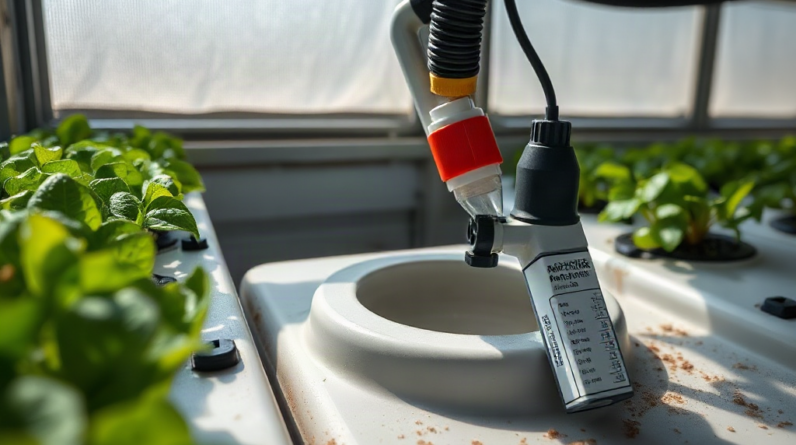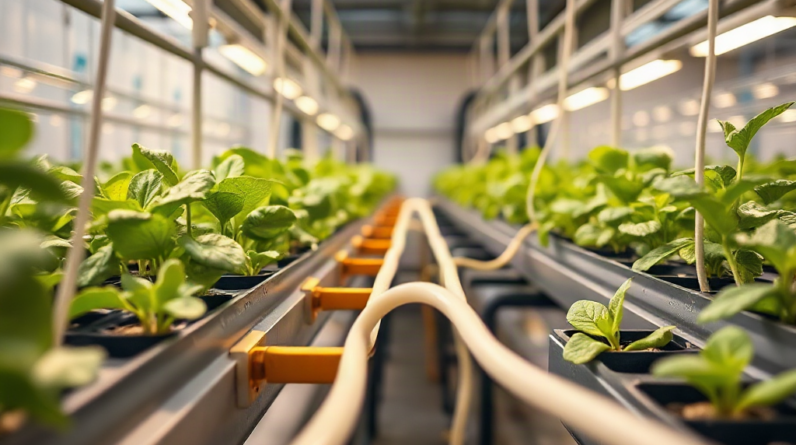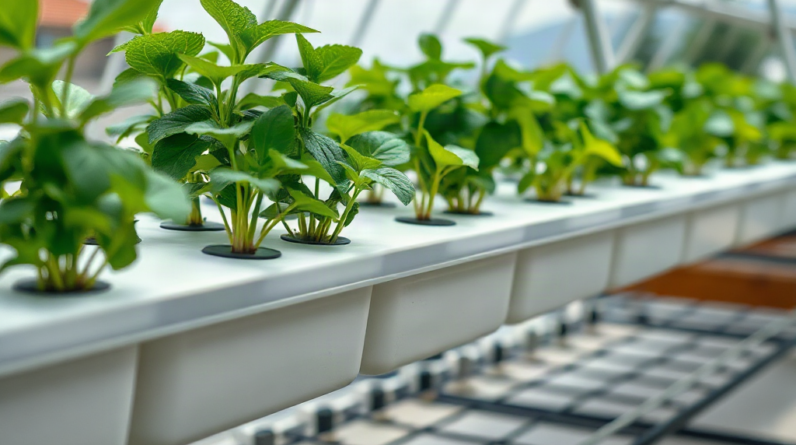
Selecting the appropriate growing medium for hydroponics is essential for optimizing plant health and maximizing yields. Each medium, such as rock wool, coconut coir, or clay pellets, has distinct properties that influence water retention, aeration, and nutrient delivery. For instance, rock wool excels in moisture retention but poses disposal challenges, while coconut coir offers sustainability and good drainage. It’s vital to assess the specific requirements of your plants and hydroponic system to make an informed choice. Avoid common mistakes like choosing a medium that doesn’t match your plants' needs, as this can hinder growth and reduce productivity.
Understanding Hydroponic Growing Media
Hydroponic growing media act as a fundamental substitute for soil, providing necessary support for plants while enabling efficient water and nutrient absorption. Unlike traditional soil, hydroponic media must be inert and free from pathogens, which creates a controlled environment conducive to optimal growth. Understanding the different characteristics of each medium is vital, as these factors directly influence aspects like aeration, drainage, and moisture retention.
The choice of growing medium can significantly affect the overall efficiency of your hydroponic system. For instance, some media retain water better than others, which can benefit plants that thrive in consistently moist conditions. Conversely, mediums that promote better aeration can reduce the risk of root rot, a common issue in hydroponics. This balance between water retention and aeration is essential for nutrient uptake and overall plant vitality.
When evaluating growing media, consider factors such as the medium’s structure and its physical properties. For example, rock wool is known for its excellent aeration and moisture retention, but its disposal challenges raise sustainability concerns. In contrast, coconut coir offers an eco-friendly option that retains moisture effectively while being biodegradable. Ultimately, the right choice of growing medium will depend on your specific plants and the hydroponic system you are using.
Types of Growing Mediums
There are several types of growing mediums available for hydroponics, each with distinct properties and benefits. Understanding these options can help you make a more informed choice based on your specific needs.
Rock Wool: Rock wool is made from molten rock spun into fibers. It is popular due to its excellent water retention and aeration properties, creating a stable environment for root systems. However, while it is pH-neutral, rock wool presents challenges in terms of disposal due to its non-biodegradable nature, leading to sustainability concerns.
Coconut Coir: Coconut coir is an organic medium derived from the husks of coconuts. It is an eco-friendly choice, as it is biodegradable and sustainable. Coir retains moisture well while allowing for adequate drainage and aeration, making it versatile for various plant types. Its natural pH range is suitable for most plants, which enhances its usability.
Clay Pellets: Clay pellets are lightweight and offer excellent drainage and aeration. They are reusable, providing a stable environment for roots. However, one downside is that they do not retain moisture as effectively as other mediums, which may necessitate more frequent watering. This can be a critical factor for beginners who might not be as attuned to their plants’ watering needs.
When selecting a growing medium, consider how each type aligns with your plants’ requirements and your overall hydroponic system. Evaluating the pros and cons of each option will help you make a well-informed decision.
Key Considerations When Choosing
When selecting a growing medium for your hydroponic system, several key factors must be taken into account to ensure optimal plant growth and health. Understanding these considerations will help you choose a medium that supports your plants’ specific needs.
Water Retention: The ability of a medium to retain moisture is crucial for plant health. An ideal growing medium holds sufficient water without becoming waterlogged, which can lead to root rot. For instance, rock wool excels in this area, but its retention can be excessive for plants that prefer drier conditions.
Aeration: Good airflow to the roots is essential for healthy plant growth. The chosen medium should allow for adequate oxygen exchange. Coconut coir provides a balance between moisture retention and aeration, making it suitable for many hydroponic setups.
pH Levels: The pH of the growing medium can significantly impact nutrient availability. A medium that maintains a neutral pH level relevant to your plants’ needs is ideal. Regular testing of pH levels is recommended to ensure that the growing conditions remain optimal.
Environmental Impact: The ecological footprint of the growing medium is becoming increasingly important. Organic options, like coconut coir, are often preferred due to their minimal environmental impact. Evaluating the sourcing and disposal options of your chosen medium can contribute to more sustainable gardening practices.
Ultimately, understanding these considerations will empower you to select a growing medium that aligns with both your plants’ needs and your environmental values.
Common Mistakes to Avoid
When selecting a growing medium for hydroponics, beginners often make common mistakes that can hinder plant growth and overall system efficiency. Being aware of these pitfalls can help you navigate the selection process more effectively.
Ignoring Watering Needs: One of the most significant errors is failing to match the medium’s characteristics with the plant’s water requirements. Overwatering or underwatering due to a poor medium choice can lead to root rot or dehydration. For example, using clay pellets for plants that require high moisture retention can be detrimental.
Choosing Inappropriate Media: Not all plants thrive in every medium. Researching the specific needs of your plants is crucial for selecting a medium that supports optimal conditions. For instance, succulents may not perform well in a medium that retains too much moisture, leading to rot and stunted growth.
Neglecting pH Testing: Failing to monitor pH levels can lead to nutrient deficiencies and poor plant health. Regularly testing your growing medium is essential to ensure that conditions remain favorable for your plants. Many growers overlook this simple yet vital step, which can have significant consequences for plant vitality.
By avoiding these common mistakes, you can enhance your hydroponic gardening experience and promote healthier, more productive plants.
Frequently Asked Questions
What is the best growing medium for hydroponics?
The best growing medium varies by plant type; however, rock wool and coconut coir are widely used for their excellent moisture retention and aeration.
Can I use soil in hydroponics?
No, traditional soil is not suitable for hydroponics as it can harbor pathogens and does not provide the necessary aeration and drainage.
How often should I water my hydroponic plants?
Watering frequency depends on the growing medium; however, check moisture levels regularly to prevent over or under-watering.
Is coconut coir better than rock wool?
Coconut coir is more sustainable and biodegradable, while rock wool offers excellent aeration and moisture retention. The choice depends on your specific needs.
What should I consider when switching growing mediums?
Consider the water retention, aeration, pH levels, and how the new medium will affect your current plants' growth and health.
Conclusion
Choosing the right growing medium for hydroponics is a critical factor that can significantly influence plant health and yield. Understanding the characteristics and benefits of various media, such as rock wool, coconut coir, and clay pellets, allows you to make informed decisions that support your plants’ needs. Prioritize factors like water retention, aeration, and pH levels, while avoiding common mistakes to maximize your hydroponic gardening success.
Related Content
- Choosing Between Indoor and Outdoor Hydroponics: Key Factors and Practical Considerations
- How to Set Up a Hydroponic System Indoors: Step-by-Step Process for Successful Growth
- Tracking Harvest Weight in Hydroponic Gardens Without Skewed Results
- 10 Effective Easy Hydroponic Vegetables to Grow in 2025: The Ultimate Guide
- How to Create a Hydroponic System for Continuous Harvest