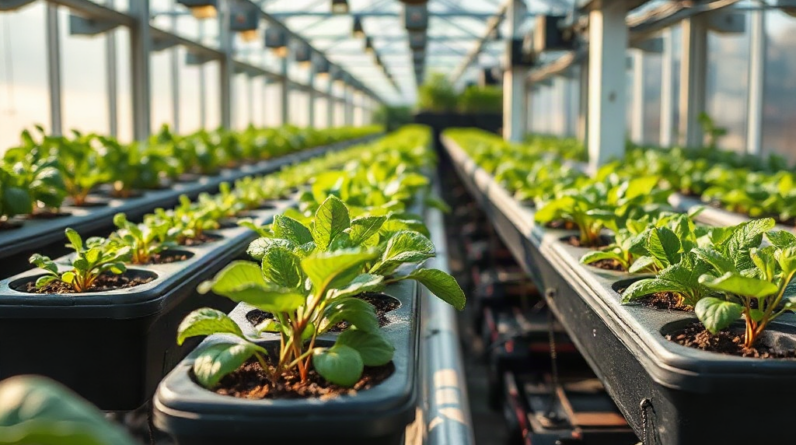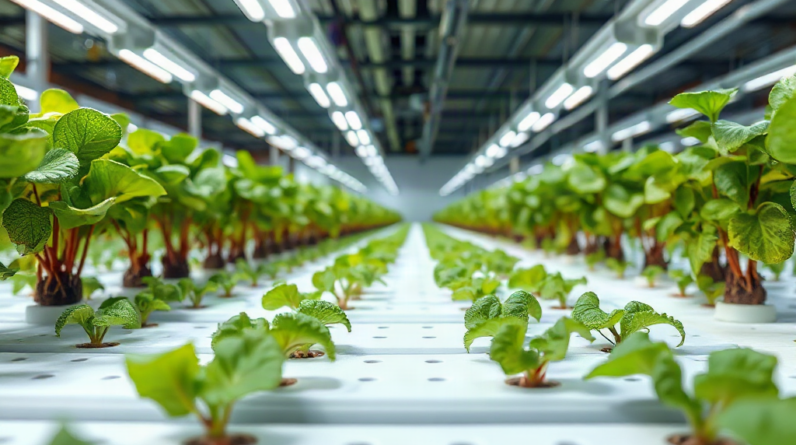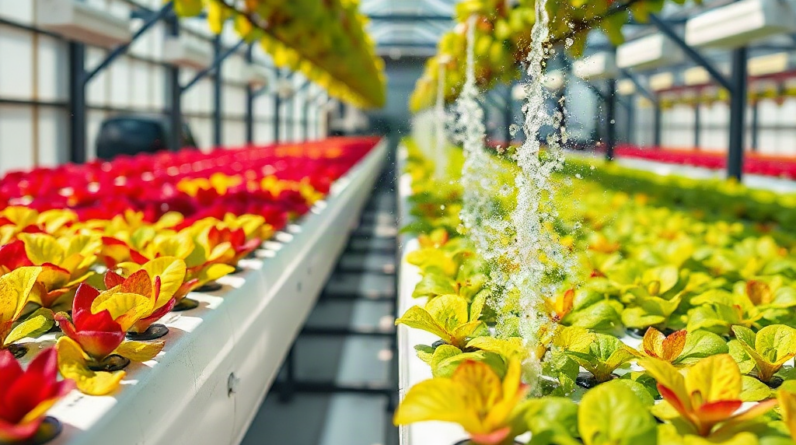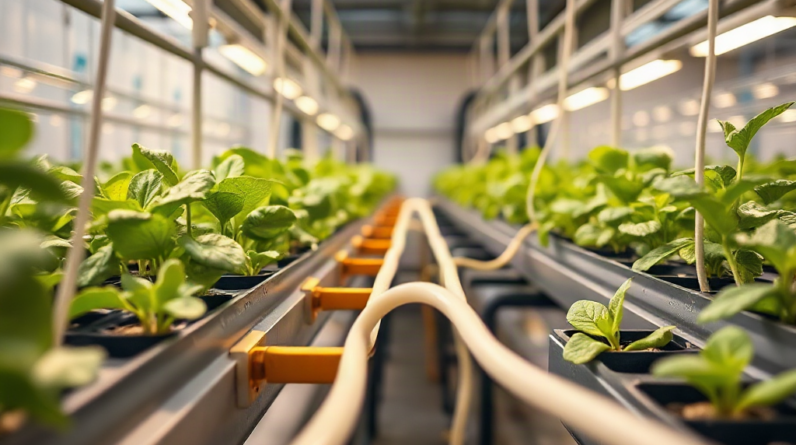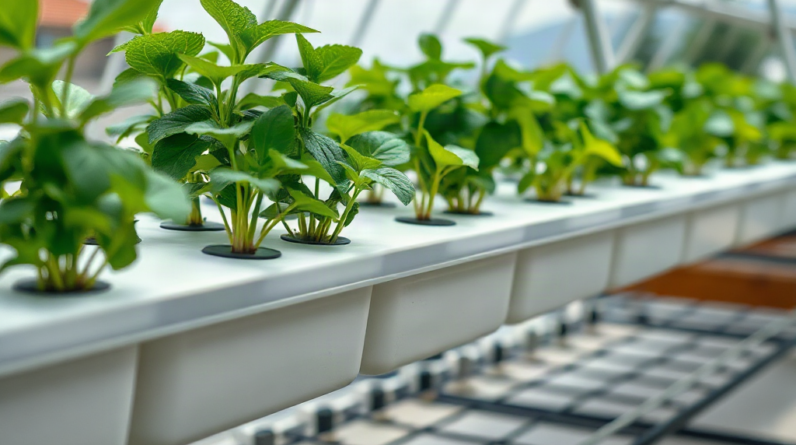
Water quality issues in hydroponic systems can severely affect plant growth and yield. Problems such as pH imbalances can lead to nutrient lockout, preventing plants from absorbing essential nutrients. Additionally, the presence of pathogens like bacteria and fungi can cause diseases such as root rot, resulting in significant crop losses. To mitigate these issues, regular testing of water parameters, including pH and electrical conductivity, is crucial. Implementing proper filtration methods and using water treatments can help maintain optimal conditions, ensuring healthier plants and better harvests.
Understanding Water Quality Parameters
Water quality parameters are critical in hydroponic systems as they directly affect plant growth and health. Key parameters include pH, electrical conductivity (EC), dissolved oxygen (DO), and the presence of contaminants. Maintaining the correct pH, typically between 5.5 and 6.5, ensures optimal nutrient absorption. Electrical conductivity indicates nutrient concentration; too high or too low can stress plants. Dissolved oxygen is vital for root respiration and overall plant vitality.
In addition to these parameters, the presence of pathogens or harmful substances can compromise the system. For instance, high levels of chlorine, often found in municipal water supplies, can harm beneficial microorganisms in the nutrient solution. Understanding these parameters helps growers identify potential issues before they adversely affect their crops.
Common Water Quality Issues
Various water quality issues can arise in hydroponic systems, impacting plant health. One major issue is pH imbalance, which can lead to nutrient lockout, where plants cannot absorb essential nutrients. High pH levels can cause deficiencies in iron and manganese, while low pH can lead to excess nutrient uptake, potentially harming plants.
Another common problem is the presence of pathogens, such as bacteria and fungi, which can thrive in nutrient solutions. These pathogens can cause root rot and other diseases, leading to significant crop loss. Additionally, hard water can introduce excessive minerals, leading to scaling in pipes and growing systems, which can impede water flow and nutrient delivery.
Testing and Monitoring Water Quality
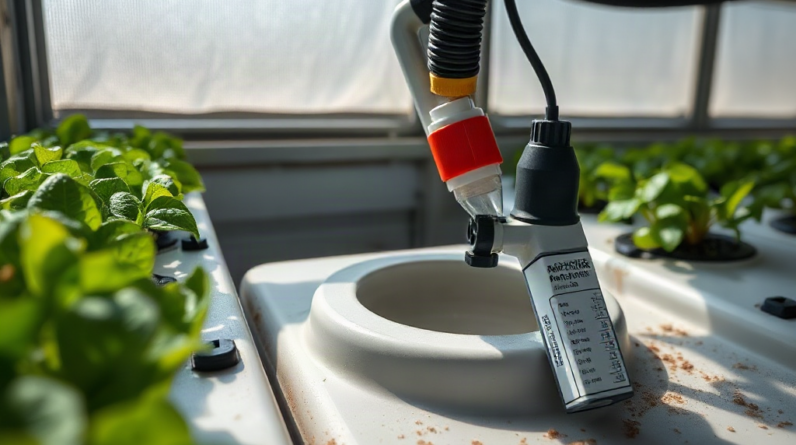
Regular testing and monitoring of water quality are essential for successful hydroponic gardening. Growers should invest in quality pH and EC meters to monitor nutrient levels and adjust as necessary. Testing for pathogens can be done using water sampling kits available on the market.
It is advisable to check water quality at least once a week, especially during critical growth phases. Keeping a log of water quality readings can help identify trends and anticipate potential problems. Understanding the specific needs of the plants being grown will also guide adjustments in water quality management, ensuring optimal growing conditions.
Solutions for Improving Water Quality
Addressing water quality issues is crucial for maintaining healthy plants in hydroponic systems. Implementing a proper filtration system can help remove chlorine and other contaminants from the water. Activated carbon filters are effective for chlorine, while reverse osmosis systems can reduce overall mineral content.
Additionally, using water treatments such as hydrogen peroxide can help eliminate pathogens. Regularly flushing the system with clean water can also minimize buildup and ensure that nutrients remain bioavailable. Hydroponic growers should prioritize routine maintenance and adjustments to their water quality management strategies to avoid issues that may arise.
Frequently Asked Questions
What is the ideal pH level for hydroponic systems?
The ideal pH level for hydroponic systems typically ranges between 5.5 and 6.5 to ensure optimal nutrient absorption.
How often should I test my hydroponic water?
It is recommended to test hydroponic water at least once a week, particularly during critical growth phases.
What can cause nutrient lockout in plants?
Nutrient lockout can occur due to pH imbalances, high salinity, or the presence of certain chemicals that hinder nutrient uptake.
How can I eliminate pathogens in my hydroponic system?
Pathogens can be eliminated using treatments like hydrogen peroxide or by implementing a proper filtration system to prevent their entry.
What is the impact of hard water on hydroponic systems?
Hard water can introduce excessive minerals, leading to scaling in pipes and reduced nutrient availability, ultimately affecting plant growth.
Further Reading
Authoritative Sources
- USDA National Institute of Food and Agriculture
nifa.usda.govResearch and extension resources related to agriculture, plants, soil, and food systems
- Extension Foundation Gardening Resources
extension.orgUniversity extension education resources for practical gardening and home agriculture topics
- USDA Natural Resources Conservation Service
nrcs.usda.govSoil, water, conservation, and land management resources for practical growing decisions
Conclusion
Maintaining optimal water quality in hydroponic systems is essential for healthy plant growth and productivity. By understanding the key parameters, regularly testing water quality, and implementing effective solutions for common issues, growers can significantly enhance their hydroponic gardening success. Prioritizing water quality management will lead to healthier plants and increased yields, ensuring a fruitful harvest.