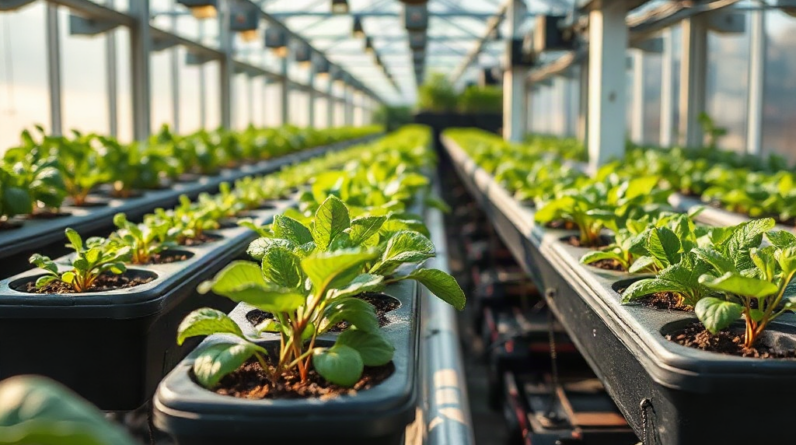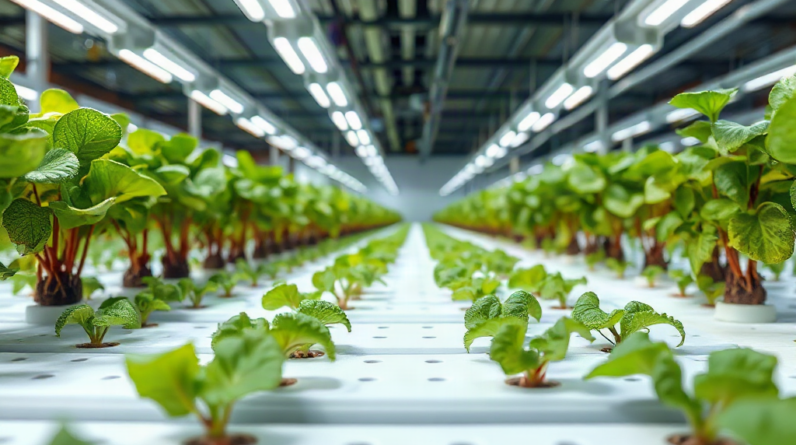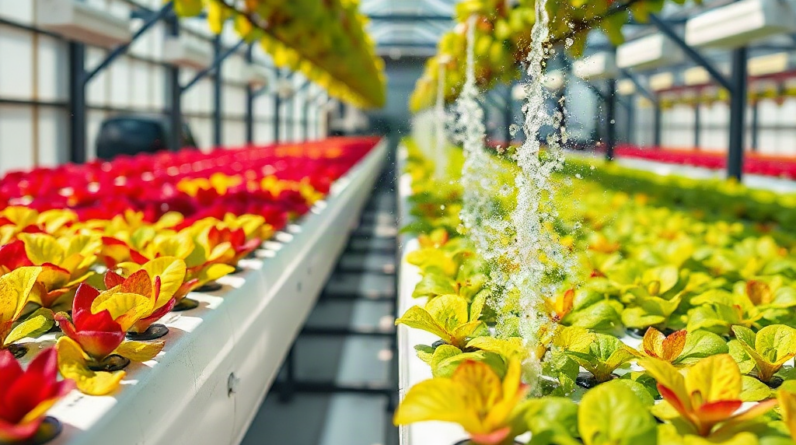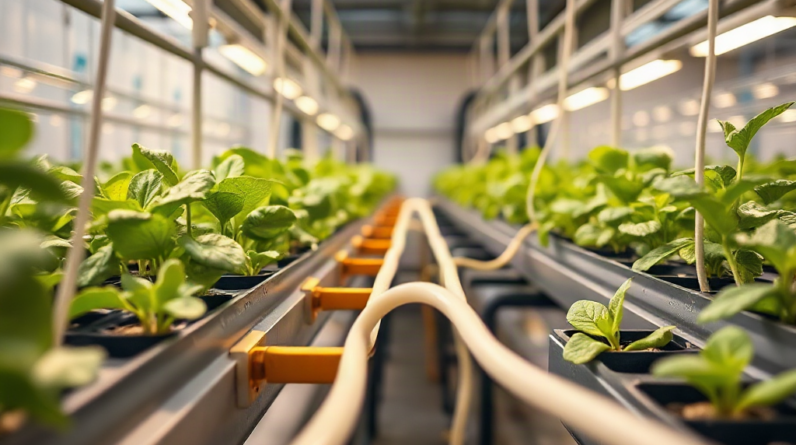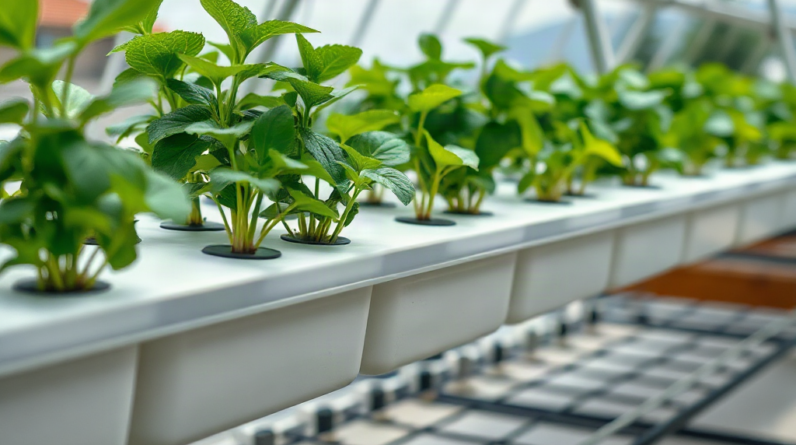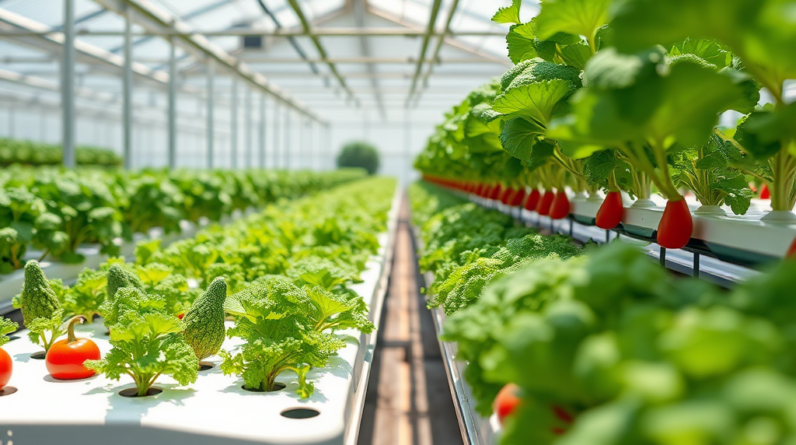
To select compatible hydroponic vegetable varieties, focus on their nutrient requirements, growth rates, and environmental preferences. Choose plants that thrive in similar pH levels and nutrient concentrations to prevent competition for resources. For example, pairing quick-growing leafy greens like spinach with slower-growing crops such as peppers can maximize space and yield. Additionally, consider light requirements; some plants may need more light than others, which can affect their growth. Properly matching these factors will lead to a healthier hydroponic system and improved overall productivity.
Understanding Compatibility in Hydroponic Systems
Compatibility among hydroponic vegetable varieties is crucial for maximizing yield and ensuring healthy growth. When selecting varieties, consider how they will interact in terms of nutrient uptake, growth rates, and environmental needs. Plants that share similar nutrient requirements and growth conditions can thrive together without competing for resources. For example, leafy greens and herbs often have overlapping needs, making them ideal companions in a hydroponic setup.
Additionally, understanding the compatibility of plants can also help in pest management and disease prevention. Growing compatible varieties can reduce the likelihood of pest infestations and diseases, as some plants can deter pests from others. This synergy is essential for maintaining a healthy growing environment.
Key Factors to Consider When Selecting Varieties
When selecting vegetables for hydroponic systems, several key factors should be taken into account to ensure they are compatible. First, assess the nutrient requirements of each variety. Some plants thrive in high-nutrient environments, while others prefer lower concentrations. Understanding these needs will help you select varieties that can share the same nutrient solution without depleting essential elements.
Another critical factor is the growth rate of the plants. Fast-growing varieties may overshadow slower-growing ones, leading to competition for light and nutrients. It is essential to balance the selection of varieties based on their growth rates. Additionally, consider the light requirements of each plant; some may require full sun while others thrive in partial shade. This consideration is vital to ensure all plants receive adequate light for optimal growth.
Examples of Compatible Vegetable Pairings
Choosing compatible vegetable pairings can enhance productivity in your hydroponic garden. For instance, pairing lettuce with spinach is a popular combination as both have similar nutrient and light requirements. They can grow well together in a nutrient-rich solution while providing a continuous harvest.
Another successful pairing is tomatoes and basil. Tomatoes require more nutrients and light, while basil can thrive in the same conditions without hindering the tomatoes’ growth. Additionally, basil can even enhance the flavor of tomatoes, making it a beneficial companion plant.
Common Mistakes to Avoid
One common mistake in selecting hydroponic vegetable varieties is ignoring the specific growing conditions required by each plant. For example, planting a variety that prefers cooler temperatures alongside heat-loving crops can lead to poor growth and yield. It is vital to research each plant’s preferred conditions before making selections.
Another mistake is overcrowding plants in the hydroponic system. This can lead to competition for light and nutrients, ultimately stunting growth. Ensure that there is adequate space between different varieties to allow for air circulation and light penetration. Regularly monitor plant growth and adjust spacing as necessary to maintain optimal conditions.
For those interested in delving deeper into the topic of hydroponic vegetable compatibility, consider exploring resources from agricultural universities, hydroponic gardening books, and online gardening forums that discuss best practices and personal experiences.
Frequently Asked Questions
What vegetables grow best together in hydroponics?
Vegetables like lettuce, spinach, and basil often grow well together due to their similar nutrient and light requirements.
How do I know if vegetable varieties are compatible?
Research the nutrient needs, growth rates, and environmental preferences of each variety to determine compatibility.
Can I grow fruiting plants with leafy greens in hydroponics?
Yes, but ensure the fruiting plants do not overshadow the leafy greens and that all plants receive adequate nutrients and light.
What are the signs of incompatible plants?
Signs include stunted growth, yellowing leaves, and poor yields, often due to competition for nutrients and light.
How can I improve compatibility in my hydroponic system?
Choose plants with similar growth requirements, monitor their growth regularly, and adjust spacing as needed for optimal conditions.
Further Reading
Authoritative Sources
- USDA National Institute of Food and Agriculture
nifa.usda.govResearch and extension resources related to agriculture, plants, soil, and food systems
- Extension Foundation Gardening Resources
extension.orgUniversity extension education resources for practical gardening and home agriculture topics
- USDA Natural Resources Conservation Service
nrcs.usda.govSoil, water, conservation, and land management resources for practical growing decisions
Conclusion
Selecting compatible hydroponic vegetable varieties is essential for maximizing growth and yield. By understanding the specific needs of different plants, such as nutrient requirements and growth rates, you can create a thriving hydroponic environment. Avoid common pitfalls like overcrowding and mismatched growing conditions to ensure your plants flourish together. Take the time to research and plan your vegetable pairings carefully for a successful hydroponic garden.